

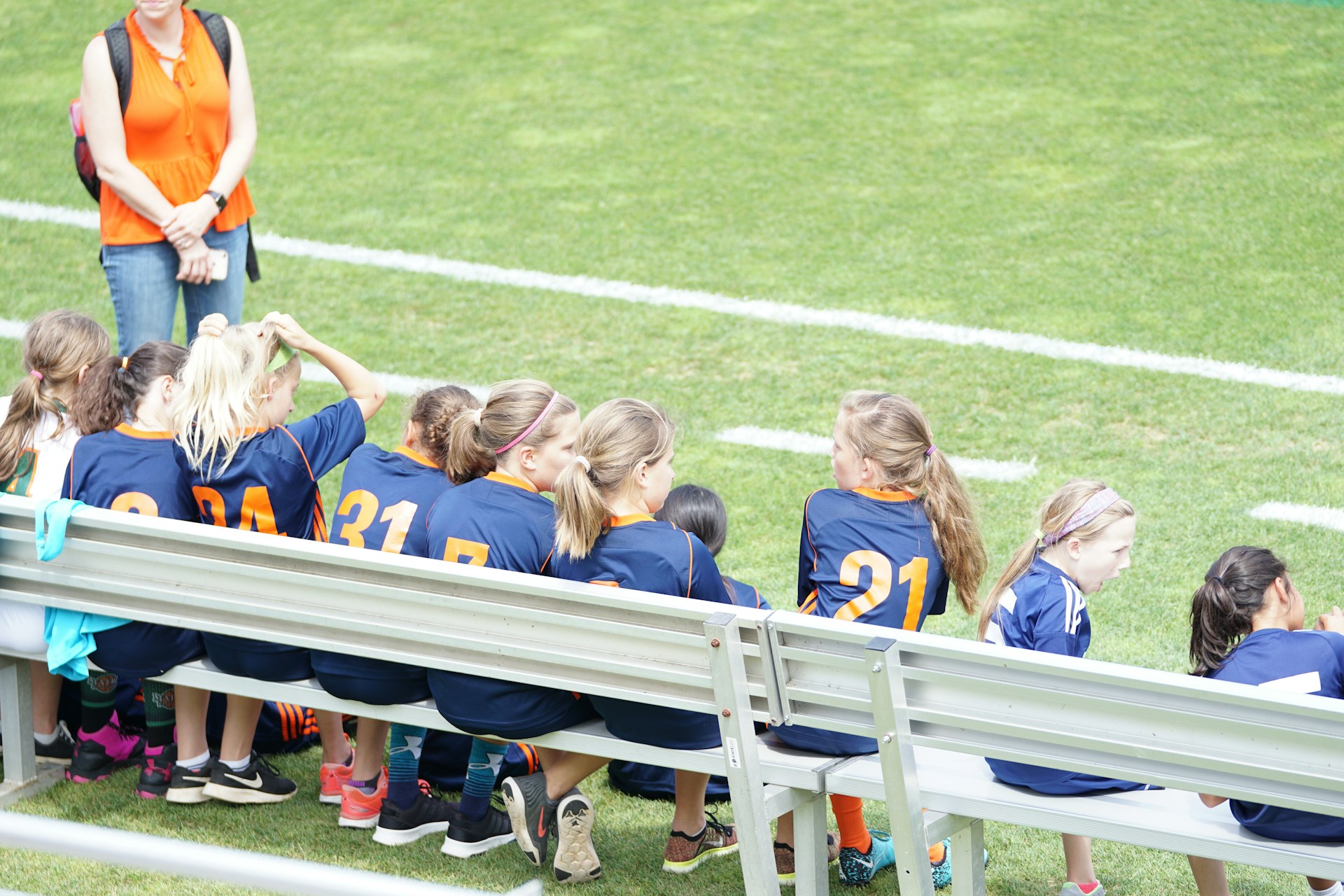
How to Stay Fit for Soccer Season
Ensuring the wellbeing of young athletes involves more than just physical training. A holistic approach that incorporates balanced routines, proper nutrition, adequate rest, and mental preparations is vital for their development. Keeping practices varied and interesting helps to engage kids and avoid burnout.
Kids need a mix of different activities in their training. This approach not only makes sessions more fun but also helps improve various aspects of their athletic abilities. Incorporating agility, strength, and endurance exercises keeps things balanced and prepares them for all situations on the field.
Nutrition and hydration play a big role in an athlete’s performance. Teaching kids the importance of eating healthy foods and staying hydrated will help them perform better and recover faster. Simple, nutritious meals and regular water intake are easy ways to boost their energy levels.
Rest and recovery are just as important as training. Ensuring kids get enough sleep and taking breaks when needed helps prevent injuries and keeps them refreshed. Emphasising the value of rest helps young athletes understand its importance for long-term success.
Mental preparation is also key. Helping kids develop good habits, stay focused, and remain positive can make a big difference in their performance. Simple techniques like goal-setting and visualisation can boost their confidence and keep them motivated.
This holistic approach ensures that young athletes grow stronger and healthier, both physically and mentally.
Develop a Balanced Training Routine
A balanced training routine is essential for young athletes to develop their skills and keep their bodies in top condition. Mixing different types of exercises makes training more fun and helps improve various abilities.
1. Agility and Footwork
Agility drills improve speed and coordination. Set up cones or markers in a zigzag pattern and have kids weave through them as quickly as possible. Ladder drills, where kids run through a series of rungs on the ground, are great for footwork. These exercises help improve balance and control on the field.
2. Strength and Conditioning
Strength training doesn’t mean lifting heavy weights. Simple bodyweight exercises like squats, push-ups, and lunges help build muscle strength. Incorporate fun activities like relay races or tug-of-war to make strength training enjoyable. Strong muscles support joints and reduce the risk of injuries.
3. Endurance Training
Endurance training helps kids keep up their energy during games. Activities like running laps, jumping rope, or cycling boost cardiovascular health. Make it a game by setting up a race or a timed challenge. Keeping endurance exercises varied and fun ensures kids enjoy the process.
4. Flexibility and Stretching
Flexibility is important to prevent injuries. Simple stretches before and after training sessions can make a big difference. Teach kids to stretch their legs, arms, and back. Incorporate stretching into the warm-up and cool-down to make it a habit.
By developing a balanced training routine, kids can improve their overall fitness and become more well-rounded athletes.
Focus on Nutrition and Hydration
Proper nutrition and hydration are key to keeping young athletes healthy and performing at their best. Teaching kids to fuel their bodies with the right foods and enough water is crucial.
1. Healthy Eating Habits
A balanced diet helps kids stay strong and energised. Encourage them to eat a variety of foods from all the major food groups: fruits, vegetables, grains, proteins, and dairy. Simple meals like a chicken and veggie stir-fry or a fruit and yoghurt smoothie are both nutritious and tasty.
2. Pre-Training Snacks
Having a small snack before training can provide a quick energy boost. Foods like bananas, whole grain crackers with cheese, or an apple with peanut butter are great options. These snacks are easy to digest and packed with energy.
3. Hydration
Staying hydrated is vital, especially during intense activities. Teach kids to drink water regularly throughout the day, not just during practice. A good habit is to take sips of water every 15-20 minutes during games and training sessions. Avoid sugary drinks and opt for water or sports drinks with electrolytes for long sessions.
4. Post-Training Nutrition
After training, it’s important to replenish energy stores. Foods rich in protein and carbohydrates help repair muscles. Options like a turkey sandwich, a bowl of yoghurt with granola, or a smoothie with protein powder are excellent choices.
By focusing on nutrition and hydration, young athletes can stay healthy, recover faster, and perform better. Eating well and staying hydrated set the foundation for a lifetime of good habits.
Incorporate Rest and Recovery
Rest and recovery are crucial parts of any athlete’s training routine. Young athletes need to understand that resting allows their bodies to repair and grow stronger. Ignoring rest can lead to injuries and burnout.
1. Importance of Sleep
Sleep is vital for recovery. Kids need enough sleep to stay healthy and alert. Aim for about 9-11 hours of sleep each night. Create a regular bedtime routine to help them wind down, such as reading a book or listening to calm music. A good night’s sleep helps muscles recover and keeps kids ready for the next day’s activities.
2. Rest Days
It’s essential to include rest days in the training schedule. Young bodies need time off from intense activities. Plan at least one rest day each week where kids can relax and engage in low-impact activities like walking or stretching. This break helps prevent overuse injuries and keeps their interest in sports alive.
3. Active Recovery
Active recovery involves low-intensity exercises on rest days to keep the blood flowing without putting too much strain on the body. Activities like light jogging, swimming, or even yoga can be great for active recovery. These exercises help reduce muscle stiffness and improve overall flexibility.
4. Listening to the Body
Teach kids to listen to their bodies. If they feel tired or sore, it’s okay to take it easy. Encouraging them to speak up about any pain or discomfort can prevent injury and ensure they get the care they need.
Incorporating rest and recovery into the training routine helps young athletes build stronger, healthier bodies and keeps them enthusiastic about their sport.
Use Mental Preparation Techniques
Mental preparation is just as important as physical training for young athletes. Teaching kids how to stay focused, positive, and prepared mentally can boost their performance and enjoyment in sports.
1. Goal Setting
Setting goals helps kids stay motivated and focused. Encourage them to set small, achievable goals, like improving their dribbling skills or running faster. Celebrate their progress and successes, which builds their confidence. Writing down goals and tracking progress can make this process even more effective.
2. Visualisation
Visualisation is a technique where kids imagine themselves performing well in their sport. This helps build confidence and reduces anxiety. Spend a few minutes before practice or games guiding them to visualise successful plays, scoring goals, or making good passes. This positive imagery helps them feel more prepared and less nervous.
3. Breathing Exercises
Deep breathing can help kids stay calm and focused. Teach them simple breathing exercises to use before games or during stressful moments. For example, taking slow, deep breaths in through the nose and out through the mouth helps relax the body and mind.
4. Positive Self-Talk
Positive self-talk is about encouraging themselves with kind and motivating words. Teach kids to replace negative thoughts with positive ones. For instance, instead of thinking, “I can’t do this,” they can say, “I am capable and I’ve practised hard.” This helps build a positive mindset and strengthens their mental resilience.
Using mental preparation techniques helps young athletes stay focused, confident, and ready to take on any challenge.
Conclusion
Developing well-rounded young athletes involves more than just physical training. By incorporating a balanced training routine, ensuring proper nutrition and hydration, emphasising the importance of rest and recovery, and using mental preparation techniques, we help kids become stronger and healthier both physically and mentally.
At Focus Football Development, we believe in nurturing young talent through comprehensive and enjoyable approaches. These elements create a healthy and positive environment for young athletes to thrive. Helping them succeed on and off the field is our mission.
Ready to provide your child with a well-rounded approach to their athletic development? Visit Focus Football Development to learn how our football improvement training can support your young athlete’s journey to success. Let’s work together to build a healthy and skilled future for our young players!


No Comments
Sorry, the comment form is closed at this time.