

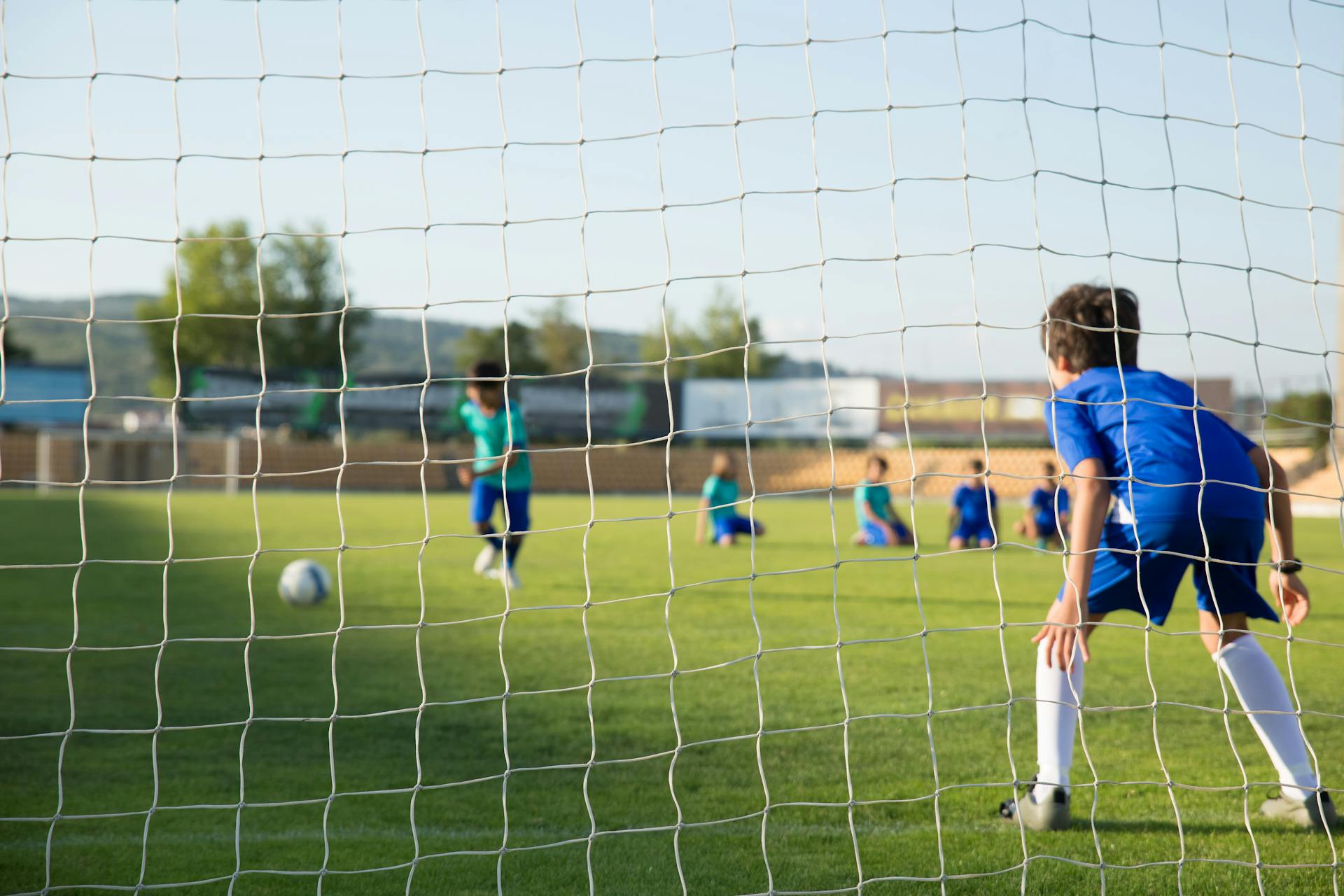
Group Soccer Games to Play During Training
Training for soccer doesn’t have to be boring. Group soccer games are a fantastic way to keep training sessions exciting while helping players improve their skills. These games foster teamwork, boost morale, and make learning new techniques a lot more fun. Playing together in groups also helps players develop better communication and understanding on the field.
In this article, we’ll explore several group soccer games that can make your training sessions more effective and enjoyable. From rondo games that focus on ball retention to relay races designed to enhance speed, these activities will add a playful and competitive edge to your practice.
Rondo Games for Ball Retention
Rondo games are brilliant for improving ball retention. In this game, players form a circle with one or two defenders in the middle. The aim is to keep possession by passing the ball quickly and accurately while the defenders try to intercept or force an error. This game encourages quick thinking, sharp passing, and excellent ball control.
Start with a basic rondo by using a 5v2 format, where five players form the outer circle, and two players defend inside. The players on the outside must pass the ball to each other without it being intercepted. If a defender wins the ball, they switch roles with the player who lost it. Gradually reduce the number of players in the outer circle to make the game more challenging.
You can also vary the size of the circle or the number of touches allowed to increase difficulty. For instance, limit the number of touches to one or two per player. This compels players to think quickly and improve their first touch. Rondo games are effective because they closely mimic real match situations where keeping the ball under pressure is essential.
Small-Sided Matches for Tactical Development
Small-sided matches are fantastic for tactical development. Playing games with fewer players on a smaller pitch encourages more touches, quicker decision-making, and a better understanding of team tactics. These matches can be played in various formats, like 3v3 or 4v4, depending on what aspect of the game you want to focus on.
In a 3v3 match, players get to practise both attacking and defending. With fewer players, everyone has to be constantly involved, making quick passes and strategic moves. This helps to develop individual skills and teamwork at the same time. Coaches can use these matches to emphasise different tactics like pressing high or switching the play.
For a more structured approach, try using “possession games”, where the goal is to maintain control of the ball. Divide players into two teams and set a target number of consecutive passes. This encourages patience, supports play, and spatial awareness. Small-sided matches ensure that every player remains engaged, learns to read the game better, and improves their understanding of team dynamics.
Shooting Circuits to Sharpen Finishing Skills
Shooting circuits are a fantastic way to sharpen finishing skills while keeping training sessions lively. Set up various shooting stations around the pitch to practise different shooting techniques. Each station should have a specific focus, such as volleys, dribbling and shooting, or one-on-one situations with a goalkeeper.
For instance, one station could involve players dribbling through a set of cones before taking a shot on goal. Another could focus on receiving a pass from a teammate and shooting quickly with one touch. These drills help players get comfortable with different scenarios they might face during a match.
To add a competitive edge, time how long it takes each player to complete the circuit or count how many goals they score within a set period. This not only makes the drill more engaging but also encourages players to improve their accuracy and speed.
Relay Races to Boost Speed and Agility
Relay races are excellent for boosting speed and agility, crucial components of soccer. These races involve short, quick sprints and often include additional challenges to test players’ agility and coordination. Set up a series of cones or markers in a zigzag pattern and have players weave through them as fast as they can.
Divide the team into small groups and organise relay races. Each player runs through the course and then tags the next teammate to go. The first team to complete all their relays wins. This format encourages teamwork and makes the training session more exciting.
To increase difficulty, add elements like dribbling the ball while running through the cones or including small jumps or hurdles. These variations make the drill more challenging and ensure that players work on their footwork and balance. Relay races are a fun and effective way to improve fitness and agility in a team environment.
Conclusion
Group soccer games are essential for creating an engaging and effective training environment. From Rondo games that focus on ball retention to relay races designed to enhance speed and agility, these activities offer a playful and competitive edge to practise. Players not only develop their technical skills but also learn to work together as a team, making training sessions both fun and productive.
At Focus Football Development, we strive to provide comprehensive soccer training in Monterey. Discover how our innovative training methods can help you or your team excel. Contact us today to elevate your game and enjoy the journey of becoming a better player.


No Comments
Sorry, the comment form is closed at this time.