

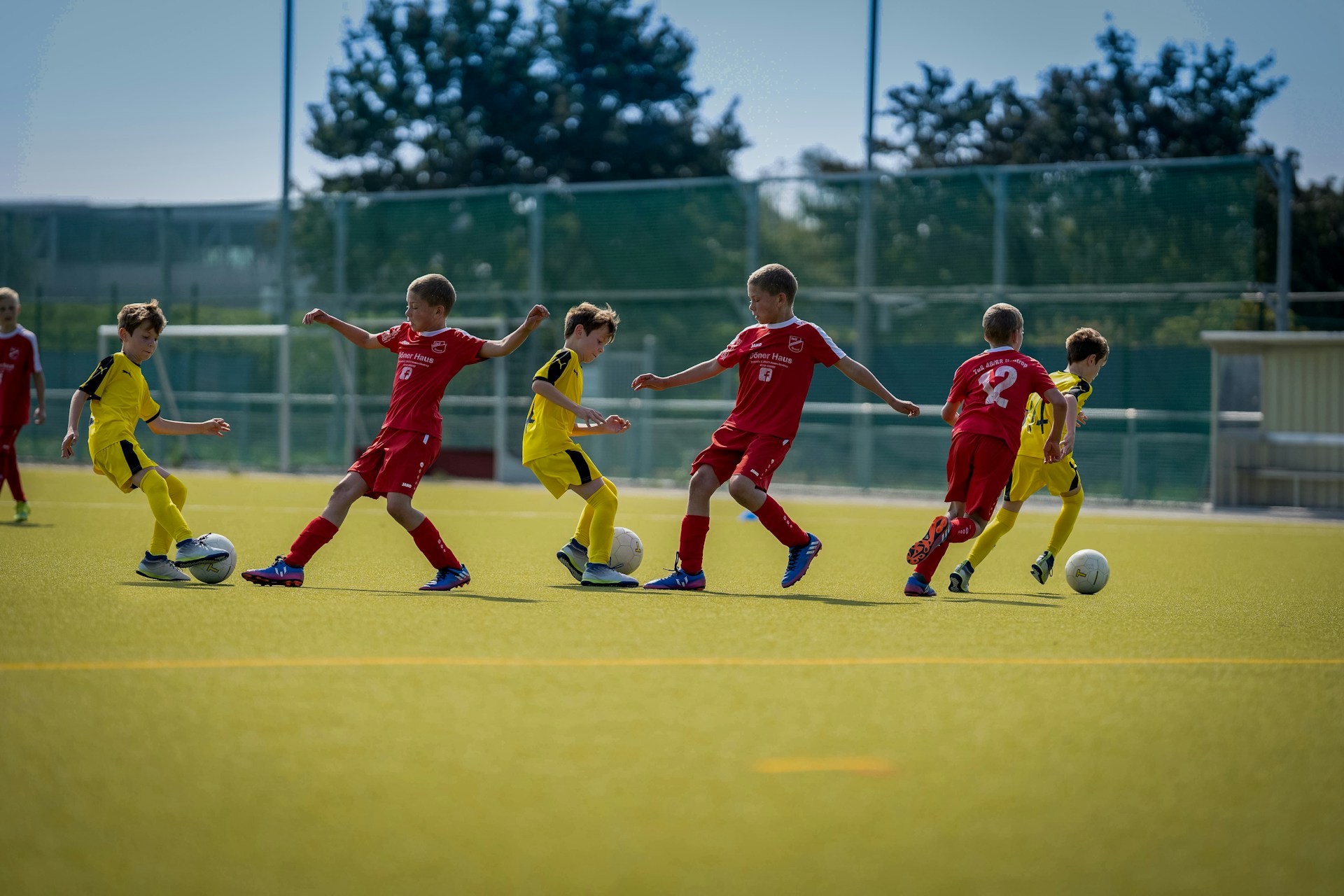
Tips to Make New Friends in Soccer Classes
Joining a soccer class provides more than just a chance to improve your skills; it’s also an opportunity to meet new people and form lasting friendships. Making friends in soccer can make classes more enjoyable and rewarding. When surrounded by friendly faces, you’re more likely to feel motivated to attend every session and push yourself to learn and grow.
Friendships in soccer classes create a sense of community and belonging. Encouragement from peers enhances self-confidence and helps players perform better both individually and as part of a team. Being part of a supportive group turns challenges into shared experiences, making triumphs even sweeter.
Having teammates who are also friends adds an extra layer of enjoyment to the game. From shared laughter during drills to celebrating victories together, these connections extend beyond the soccer field. Building friendships in sport goes a long way in enhancing social skills, fostering teamwork, and promoting a positive training environment. With a friendly team spirit, you’ll find soccer classes become an adventure you look forward to each week.
Benefits of Making Friends in Soccer Classes
Making friends in soccer classes can greatly enhance the training experience. Friendships create a supportive environment where players feel more at ease and eager to participate. When you’re surrounded by mates who share a common goal, attending practice feels like catching up with friends, rather than just another training session. This sense of camaraderie elevates the entire experience, making it enjoyable and fulfilling.
Friendships boost teamwork and performance on the field. A team of friends generally communicates better, knows each other’s strengths, and works well together. Players are more willing to cooperate and assist each other during challenging drills or matches. This bond translates into improved performance, as players are more likely to encourage and motivate one another.
On top of enhancing soccer skills, making friends in soccer classes develops vital social skills. Players learn to interact with others, building confidence and communication abilities. These interactions provide opportunities to practise empathy, resolve conflicts, and handle diverse situations. These skills are beneficial both on and off the field, fostering a well-rounded growth in young athletes. Through friendship, players don’t just become better soccer players; they also grow into more social and empathetic individuals.
Engaging Activities to Break the Ice
Breaking the ice in soccer classes is key to forming new friendships. Fun activities can help participants get to know one another and build connections. Here are some activities that can facilitate interaction:
– Name Games: Start with simple name games where players can introduce themselves and share a fun fact.
– Partner Drills: Pair players for specific drills, encouraging them to work together and communicate.
– Team Relays: Divide players into small groups for relay races, promoting team tactics and laughter.
Team-building exercises encourage interaction and create a relaxed atmosphere. For example, “Trust Falls” or “Blind Dribble” exercises teach players to rely on each other and build trust. These activities help players develop an appreciation for team support, which is essential for a strong soccer unit.
Group games foster new friendships by combining fun and teamwork. “Human Knot” and “Capture the Ball” are excellent choices, encouraging participants to break out of their comfort zones and cooperate with others. These games provide opportunities for players to see each other’s personalities, paving the way for new bonds to form. By integrating ice-breakers into soccer classes, coaches can help nurture an environment where friendships easily blossom.
Effective Communication Techniques
Open and friendly communication plays a crucial role in developing friendships in soccer classes. Speaking openly allows players to express their thoughts and ideas, helping to build mutual understanding and respect. When communication is clear and welcoming, it’s easier for players to connect and support each other.
Starting conversations with new teammates can be simple. Begin with a smile and a friendly “hello” or introduce yourself and ask about their interests. Questions about soccer or shared experiences are great icebreakers. Complimenting a player on their skills or effort is another way to start a conversation and can create a sense of camaraderie.
Active listening is essential for building strong friendships. Paying attention to what others say shows that you care and are interested in them. Nod, make eye contact, and respond thoughtfully to what they share. Listening carefully helps you understand others better and strengthens the bonds formed in a soccer class. These skills improve interpersonal relationships and encourage a positive atmosphere on the field.
Creating an Inclusive Environment
An inclusive environment fosters friendships among all players. Coaches and players can support inclusivity by promoting an atmosphere where everyone feels welcome and accepted. Use inclusive language and actions to make sure every participant is comfortable and valued as part of the team.
Respect and kindness are pillars on and off the field. Treating teammates with consideration and goodwill helps nurture lasting relationships. Coaches can lead by example, modelling respectful behaviour and encouraging players to show appreciation and sensitivity towards each other.
Encouraging shy players to join conversations can be beneficial for creating a cohesive team. Invite quieter players to participate by asking their opinions or pairing them with more outgoing teammates for partner activities. This approach can help them gradually feel more at ease and willing to engage. By implementing these strategies, soccer teams can create an inclusive and supportive environment where friendships naturally thrive.
Conclusion
Friendships formed in soccer classes significantly enhance the learning experience and make training sessions more enjoyable. These bonds contribute to better teamwork and communication, making the team more cohesive and effective. Engaging in activities that encourage interaction, together with practising effective communication, helps solidify these friendships. Creating an inclusive environment ensures that everyone feels welcome and valued, further strengthening the team.
Soccer classes are not just about enhancing your skills; they are about building connections and creating memories with peers. As players grow together, they learn valuable life skills that help them both on and off the field. The friendships and experiences shared during these classes enrich their lives, making soccer more than just a sport—it’s a community.
Are you ready to build friendships while enhancing your soccer skills? Join us at Focus Football Development, where you can meet new people, improve your game, and become part of a welcoming soccer community. Our football and soccer training are designed to foster skill development and teamwork, ensuring a positive and nurturing environment for players of all ages and talents. Come, be a part of our soccer family today!


No Comments
Sorry, the comment form is closed at this time.