

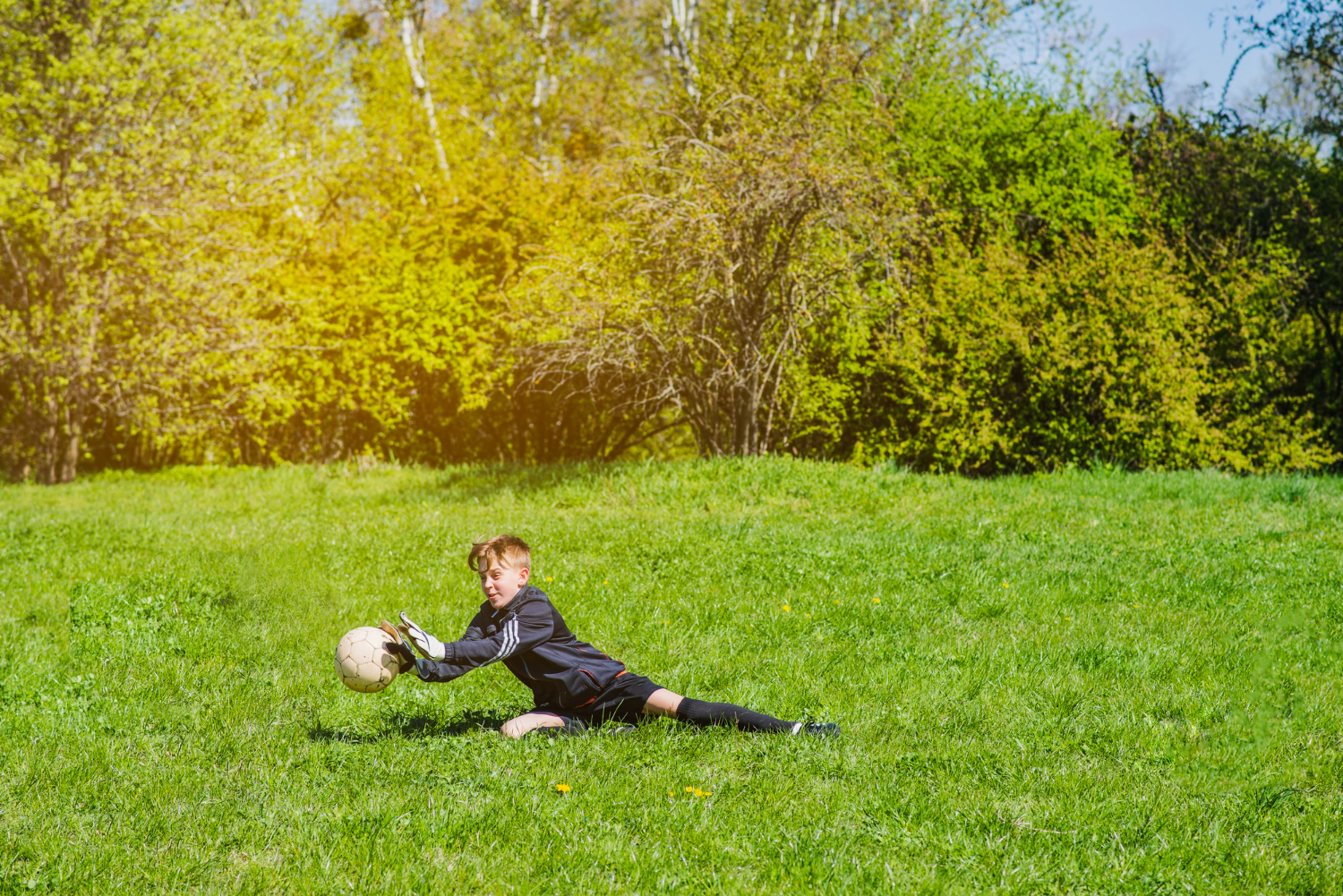
Avoiding Common Soccer Injuries for Kids
Soccer is a fantastic sport for kids, offering fun, fitness, and teamwork. However, like any physical activity, it comes with some risk of injury. Ensuring young players stay safe while enjoying the game is essential for their long-term development and love of the sport. Understanding common injuries and how to prevent them can make a huge difference.
Understanding Common Soccer Injuries in Kids
Youth soccer, while enjoyable, often presents several common injuries. Sprains, especially to ankles and knees, are frequent due to the quick pivots and sudden stops involved in the game. Muscle strains can occur when players push themselves hard without proper warm-up. Additionally, fractures and bruises can result from collisions between players or with the ground.
Understanding how these injuries occur is crucial for prevention. Sprains often happen when kids land awkwardly after jumping or change direction suddenly. Muscle strains might result from overuse or inadequate warm-ups. Risk factors include playing on uneven surfaces, wearing incorrect footwear, or practising for extended periods without breaks.
These injuries can impact a young player’s development significantly. Time away from practice can lead to missed opportunities to build skills and confidence. Moreover, recurring injuries might affect their enthusiasm for the game. Prioritising safety measures reduces these risks and supports a healthier sports journey for young athletes.
Preventive Measures and Warm-Up Routines
Preventive measures are key to safeguarding young athletes. A proper warm-up routine is one of the best steps to prevent injuries. Start with light cardio exercises like jogging, which increases blood flow to muscles. Follow this with dynamic stretches, focusing on major muscle groups such as the legs and back. Incorporating balance exercises can further enhance stability, reducing the likelihood of falls.
Stretching plays a vital role in preparing a player’s body for physical activity. Ensure that stretches are done smoothly, without bouncing, to enhance flexibility and reduce tension in muscles. Educating kids on proper technique in movement is just as important. It helps minimise undue stress on joints and muscles, making practice safer.
Here are some additional injury-prevention tips:
– Always wear appropriate footwear and gear.
– Stay hydrated to keep muscles functioning well.
– Ensure playing surfaces are even and clear of obstacles.
– Encourage open communication about any discomfort or pain.
These strategies combined create a safer environment, encouraging children to play confidently and minimise the risk of injury, allowing them to focus on enjoying and learning the game.
Importance of Proper Gear and Equipment
Proper gear is essential in keeping young soccer players safe and reducing injury risks. Footwear plays a critical role, providing support and grip to prevent slips and falls. Soccer boots with appropriate studs for the playing surface help maintain balance and protect against ankle injuries. Protective gear, such as shin guards, is also vital, shielding legs during tackles or accidental contact.
Choosing the right equipment involves considering the player’s age and skill level. For younger kids, lightweight and flexible gear enhances comfort without restricting movement. As players grow, more robust gear may be needed to match their increasing physical demands. Regularly checking and updating gear ensures it fits well and remains effective.
Maintaining equipment prolongs its lifespan and ensures safety. Encourage kids to clean their boots after every use, checking for any wear or damage. Replacing worn-out gear promptly prevents it from becoming ineffective or unsafe. This proactive approach to gear care complements overall injury prevention strategies on the field.
Educating Coaches, Parents, and Players
Education is a cornerstone of injury prevention in soccer. Coaches, parents, and players all play crucial roles in fostering a safety-first approach. Understanding basic first aid and the importance of injury prevention can help everyone involved recognise and respond to potential risks effectively.
Creating a culture of safety involves open communication among coaches, parents, and players. Encourage discussion about any discomfort or injuries, promoting a supportive environment where players feel comfortable reporting issues. This approach helps catch problems early, preventing small issues from becoming significant injuries.
Workshops and training sessions can be invaluable, offering practical education on safety and prevention techniques. By attending these sessions, all parties can learn best practices, ensuring everyone is equipped with the knowledge needed to keep kids safe. Emphasising the benefits of ongoing education promotes a team-oriented approach to injury prevention, making the game enjoyable for everyone involved.
Conclusion
Preventing injuries in youth soccer requires a team effort with coaches, parents, and players working together. Using the right gear, practising effective warm-ups, and fostering a culture of safety can significantly reduce injury risks. Taking these proactive steps not only helps protect young players but also keeps their passion for soccer alive. By focusing on prevention, kids can enjoy the sport, make friends, and build skills without fear of unnecessary setbacks.
Focus Football Development is dedicated to nurturing young soccer talent in a safe and supportive environment. We offer private soccer coaching in Sydney designed to protect and enhance players’ skills. By incorporating world-class methodologies and safety-first protocols, we ensure your child can enjoy soccer while developing vital life skills. Join us and watch your child’s confidence and abilities soar on the field.


No Comments
Sorry, the comment form is closed at this time.