

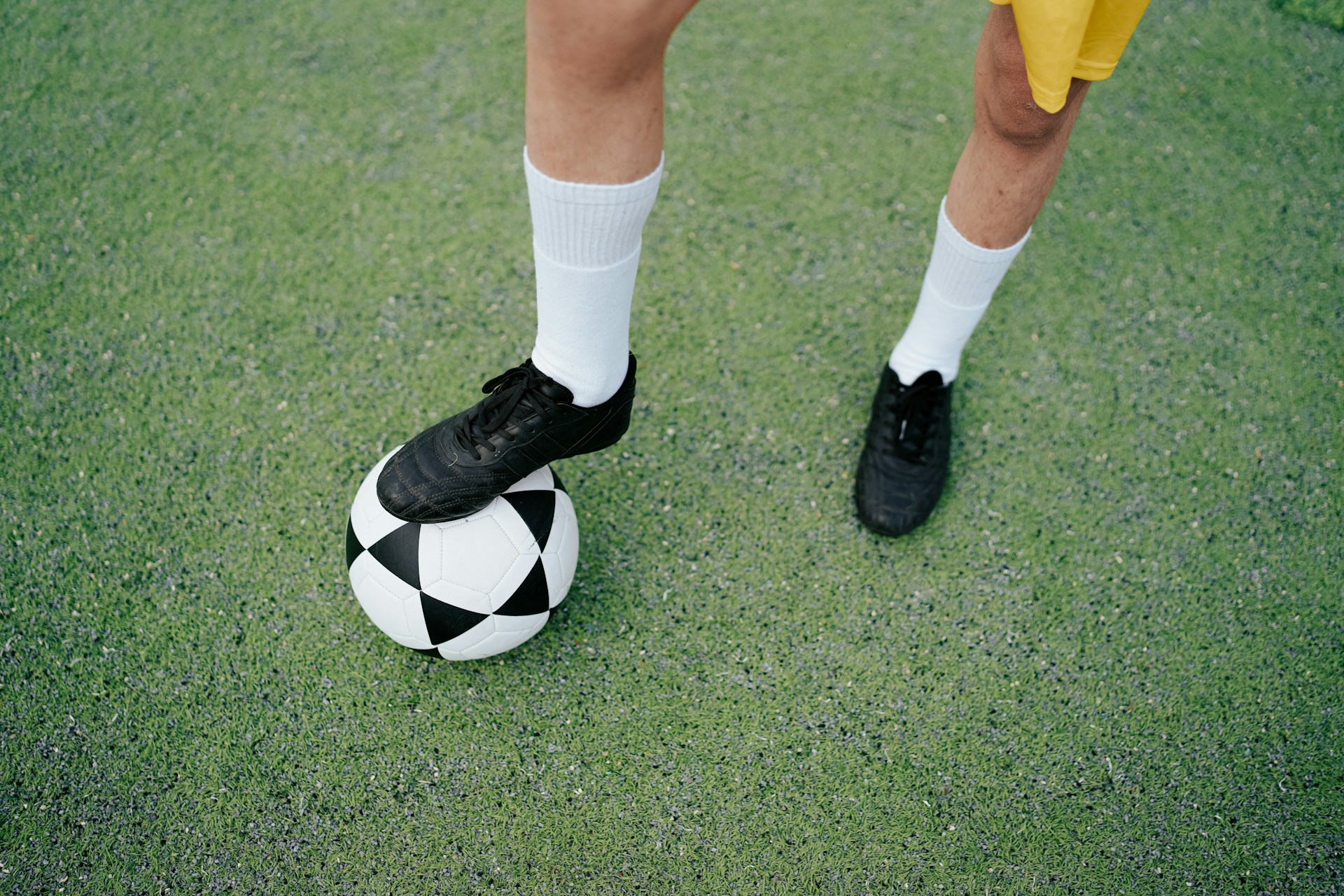
Benefits of Practicing on Different Surfaces
Practicing soccer on different surfaces can greatly improve a player’s abilities. Mixing up the playing field brings new challenges, sharpening skills and boosting confidence in young athletes. Whether it’s on grass, artificial turf, or indoor courts, each surface offers unique opportunities to grow in the game.
Understanding Different Soccer Surfaces
Soccer can be played on various types of surfaces, each offering its own set of advantages and challenges. Grass is the most traditional surface, providing a natural feel with its cushiony texture. Grass fields can vary widely in quality, depending on maintenance and weather conditions. Players must adjust to inconsistencies like patches, mud, or dryness, which can affect ball control and speed.
Artificial turf, on the other hand, presents a smooth and fast-playing field. It is known for its consistent bounce, allowing for predictability in ball movement. However, the surface is typically firmer than grass, which might require players to adapt their footwork to prevent extra strain on their joints.
Indoor courts, usually surfaced with wood or rubber, offer another layer of variation. These courts have a hard and flat base, which makes passing swift and precise. The indoor setting eliminates weather-related components, providing a controlled environment ideal for honing quick reflexes and tight dribbling.
Each surface determines how players approach their game and training methods. For example, practices on grass may focus on handling irregular ball bounces, while on turf, emphasis might be placed on speed and endurance drills. Indoor courts often feature sessions aimed at improving agility and fast footwork due to limited space and quick ball turnover. Encouraging training on different surfaces enables players to adapt their skills and strategies to excel in any situation they might encounter.
Physical Benefits of Multisurface Training
Practicing on a variety of surfaces plays a significant role in improving a player’s physical conditioning. Each type of surface imposes unique demands on the body, helping to enhance overall fitness levels. Training on grass often involves dealing with uneven grounds, which can aid in building stabilising muscles and improving balance.
Artificial turf increases the game’s tempo, requiring players to focus on their speed and stamina. The firm surface promotes explosive movements, enabling the enhancement of power and acceleration. Similarly, indoor courts require sharp turns and rapid pace adjustments, which assists in improving agility and quickness in reactions.
Adapting to these conditions not only builds strength but also increases muscle flexibility. Variability in terrain helps in muscle adaptation, reducing the risk of overuse injuries. By engaging different muscle groups, players build resilience and tone their bodies more effectively.
Injury prevention is another vital benefit of multisurface training. As players often face diverse playing conditions, training on various surfaces prepares their bodies for unforeseen challenges, reducing the likelihood of injuries during competitive matches. This comprehensive approach to training ensures that players develop a well-rounded physical capability, allowing them to face any pitch with confidence and skill.
Skill Development Through Surface Variation
Training across different surfaces enhances a player’s technical skills by challenging them in unique ways. Dribbling on grass can be tricky with its uneven texture, requiring precise footwork to manage unexpected bounces. This unpredictability sharpens decision-making and refines ball control. On artificial turf, the smooth and consistent surface helps players focus on speed and agility. It’s ideal for practising quick passes and sharp sprints because the ball glides easily.
Indoor courts, with their fast surfaces, encourage developing tight ball control and fast reflexes. Small-sided games indoors can enhance players’ abilities to manoeuvre in tight spaces, improving their dribbling and close passing skills.
Here are some specific drills to match surface types:
– Grass: Practice zig-zag dribbling to adapt to uneven terrains.
– Turf: Set up relay foot races to work on sprinting with the ball.
– Indoor: Use cone drills to boost agility and quick turns in confined spaces.
By tackling these varied environments, players learn to adapt their techniques to make the most of each surface, becoming more versatile and skillful players who can handle different game scenarios effectively.
Psychological Advantages of Diverse Surface Practice
Adapting to different playing surfaces is not just about honing physical skills; it also builds mental strength. Diverse surface training encourages players to embrace challenges, fostering a mindset geared towards continuous learning and problem-solving. This adaptability strengthens resilience, a key trait in competitive sports where conditions can change unexpectedly.
Overcoming surface-related challenges builds confidence and mental toughness. Players who are comfortable on different surfaces can focus better during matches, understanding that they have successfully navigated such terrains in training. This mental readiness allows for better performance under pressure, as players feel equipped to handle various situations.
Mental flexibility is crucial in soccer, helping players read games and make split-second decisions. Practising in varied environments nurtures this agility, making players more adaptable and strategic. It prepares them for unfamiliar settings, whether it’s a different type of field or weather conditions during a match. By learning to easily adjust, players enhance their overall game strategy.
Conclusion
To optimise your soccer journey by practising on different surfaces, explore the programs at Focus Football Development. Our specialised training sessions guide young athletes through diverse playing environments, building both physical prowess and mental agility. Uncover new skills and gain confidence in any field setting with our expert-led sessions designed to develop well-rounded footballers. Join us for professional football training and take your game to the next level, conquering every surface with ease and skill.


No Comments
Sorry, the comment form is closed at this time.