

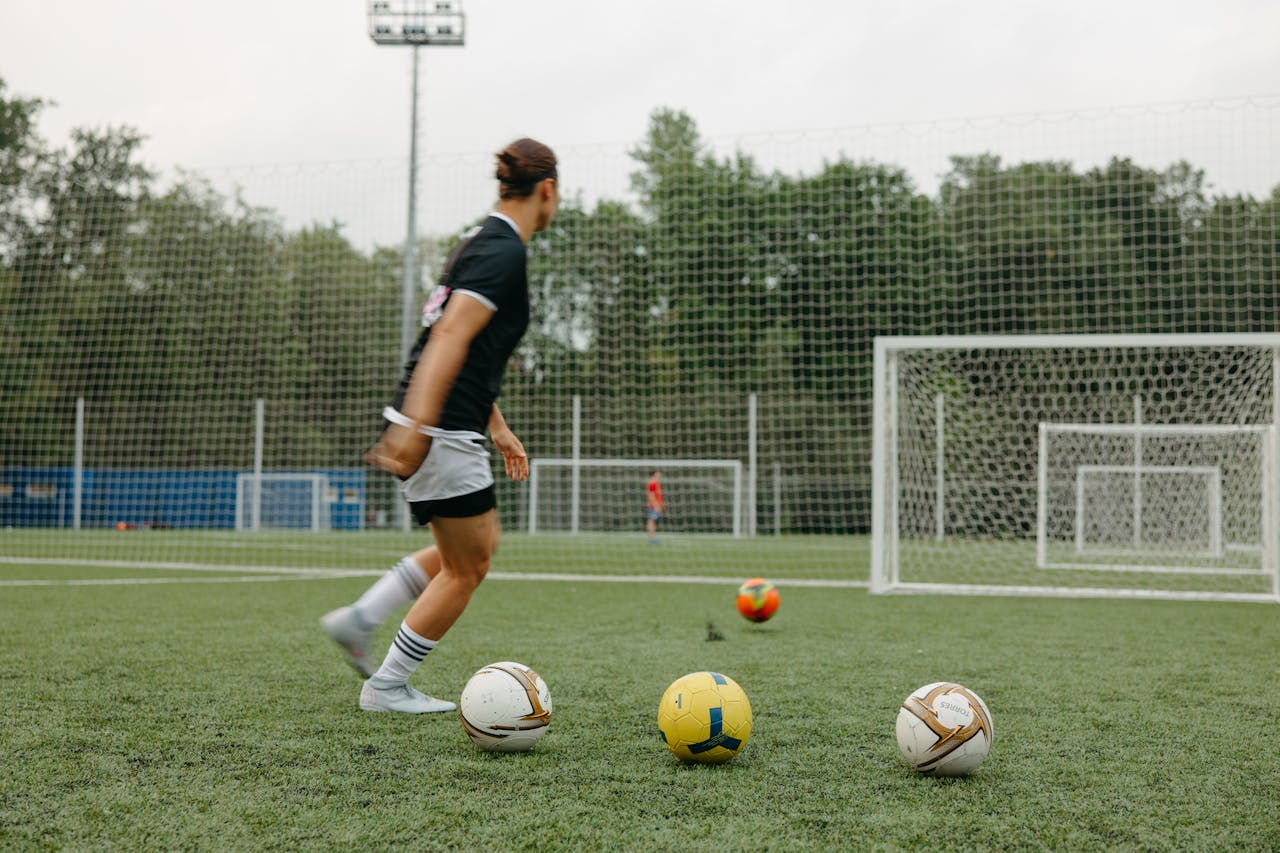
Troubleshooting Communication Breakdowns in Group Soccer Sessions
Effective communication is at the heart of any successful group soccer session. When players understand each other, it leads to smoother gameplay and better learning experiences. Imagine a team where each player knows exactly what to do, when to do it, and how to coordinate with their teammates. This level of understanding doesn’t just happen on its own; it’s developed through clear communication. In group settings, this can sometimes be challenging. Players come with their own perspectives, and their understanding of instructions can vary greatly.
The unique dynamic of group soccer training presents certain hurdles, especially when it comes to communication. Miscommunications can lead to confusion, frustration, or even hindered progress. But when approached correctly, these challenges can be opportunities for growth. Whether it’s younger players misunderstanding a coach’s instructions or teammates not coordinating well during a drill, resolving these issues is key. Addressing these common communication issues head-on will help create a positive and productive environment where all players can thrive and learn effectively.
Identifying Common Communication Breakdowns
Group dynamics can sometimes result in communication breakdowns. Understanding these scenarios can help us find effective solutions. Here are a few common issues that might occur during group soccer training:
– Misunderstanding Drills: Players may misinterpret the objectives or steps of a drill. This is often due to unclear explanations or varied levels of understanding among participants.
– Unclear Instructions: Frustration might arise if players feel the instructions given lack clarity or detail. This is particularly common in larger groups where it’s harder for everyone to ask questions or seek clarification individually.
– Teammate Conflicts: Differences in playing styles or communication preferences can lead to conflicts among teammates. This can manifest as arguments during games or negative attitudes that affect the group’s morale.
Recognizing these scenarios is the first step to improving communication during training sessions. By proactively identifying these common breakdowns, you can set up strategies to address them before they adversely impact the team’s performance. Tackling these issues as a team ensures everyone feels included and contributes towards a cooperative training environment. This way, players will be better equipped to interact positively with each other, enhancing their overall experience on the field.
Strategies for Effective Communication
To bridge the gap caused by communication breakdowns, employing effective strategies can make a world of difference. Trainers need to ensure that their instructions are crystal clear. This involves using simple language that players of all ages can understand. Visual aids can be particularly helpful—diagramming drills on a whiteboard or demonstrating them step by step can lead to better comprehension among players.
It’s also essential to incorporate non-verbal communication techniques. For instance, using hand signals for certain plays or movements during a game can keep everyone on the same page without interrupting the flow of the session. These simple strategies can reduce misunderstandings significantly.
Fostering Team Cooperation
Team cooperation is crucial for smooth communication on the field. Introducing activities and drills designed to promote teamwork can go a long way in enhancing this aspect. Here are some effective methods:
– Team-building exercises that focus on trust and communication.
– Structured games that require players to communicate quickly and effectively.
– Encouraging players to share constructive feedback during team meetings to build mutual respect.
Open dialogue should be a norm within the team. Encouraging players to voice their opinions and concerns can lead to a more respectful and cohesive environment. Regular team meetings can serve as a platform for players to express their views, fostering a strong sense of community.
Role of the Coach in Communication
Coaches play a pivotal role in the communication dynamics of a team. They set the tone for how players interact with each other and guide proper communication techniques. To maintain an approachable atmosphere, coaches should:
– Be open to questions and provide consistent feedback.
– Encourage players to express themselves openly.
– Use positive reinforcement to motivate and build players’ confidence.
An encouraging coach can influence a team’s morale significantly, helping players feel comfortable incorporating effective communication techniques during training.
Emphasizing the Importance of Practice
The saying “practice makes perfect” rings particularly true when it comes to communication. Consistent practice can sharpen players’ communication skills, making interactions during games almost second nature. Role-playing different scenarios helps players devise strategies to address on-field challenges. Practising patience is equally key here, as improvements won’t happen overnight. Over time, persistent effort in these areas will develop a strong, communicative team.
Building a Cohesive Team Through Communication
The journey to creating a cohesive soccer team relies heavily on fostering effective communication. By recognising and addressing communication breakdowns, teams can improve their on-field dynamics significantly. Encouraging open communication and providing a supportive environment will help your team function as a well-oiled machine.
Ongoing commitment to these strategies will ensure continuous growth and improvement. Over time, the players will not only perform better but also build stronger relationships with one another. Through practice, trust, and supportive communication practices, a connected team becomes more than just a group of players—it turns into a close-knit community that shares success both on and off the field.
Enhance your soccer team’s communication skills and dynamics with Focus Football Development’s group training sessions. Our expert-led program focuses on clear communication, teamwork, and strategic growth to ensure each player thrives both individually and as part of the team. Experience the benefits of tailored exercises and dedicated coaching by exploring our soccer coaching in Sydney today.


No Comments
Sorry, the comment form is closed at this time.