

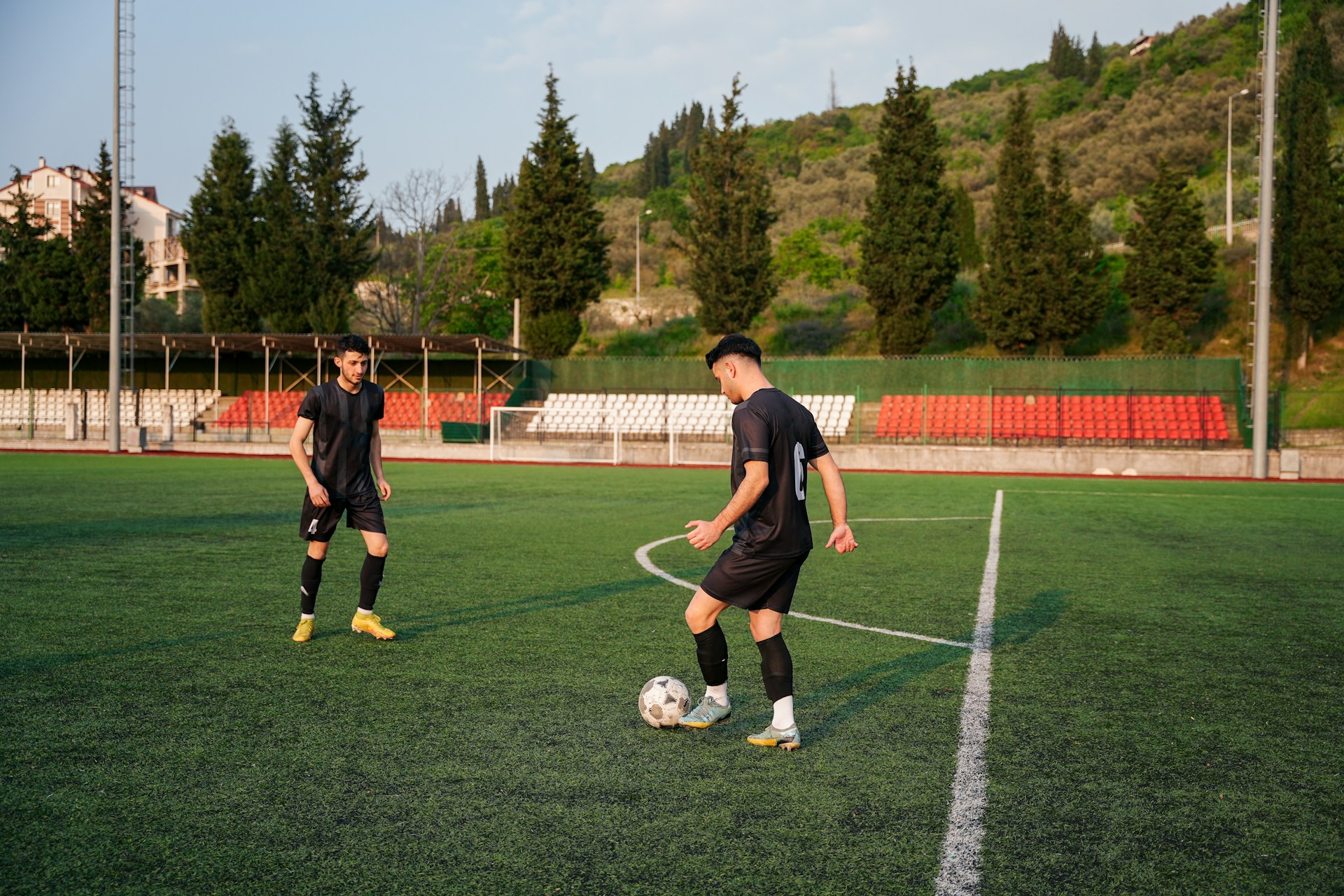
Solving Space Limitations in Group Soccer Training Environments
Training young soccer players has its unique challenges, especially when space is limited. Whether it’s a small pitch or a crowded field, soccer trainers often find themselves trying to make the most of every inch of space available. The tight quarters can initially feel like a problem, but they also offer opportunities to get creative. Finding ways to effectively manage these constraints is key to ensuring players still receive a beneficial training experience.
Why does this matter? Well, managing space efficiently can greatly impact the effectiveness of training sessions. When space is used wisely, players can develop better coordination, quicker decision-making skills, and the ability to adapt to fast-changing situations on the field. These skills not only benefit the players in structured training groups but also enhance their overall game performance.
Maximizing Small Spaces
When it comes to squeezing every advantage out of limited space, smart equipment arrangement is your best friend. Start by clearing the field of any unnecessary clutter. Use cones, ladders, and markers to set clear boundaries and designate specific areas for drills. This helps direct the flow of activity and reduces the risk of accidents.
Consider these tips for arranging equipment efficiently:
– Prioritize Movement: Arrange equipment in a way that maximizes the players’ movement across the space. Place cones to guide running paths that help avoid congestion. For example, setting up a zig-zag path rather than a straight line can encourage agility and spatial awareness.
– Stack and Store: Use stackable gear such as hurdles or cones that are easy to move and rearrange. This flexibility allows for quick transitions between drills, keeping sessions dynamic and engaging.
– Center the Action: Position the most activity-intensive drills in the center of the available space to keep players focused and engaged. Other peripheral equipment can be used for less intense exercises around the edges.
With creative layout planning, limited space can transform into a well-organized training environment. By taking advantage of these ideas, trainers can create a structured setting that supports player development, even in cramped conditions.
Adapting Drills for Limited Space
Training drills often need some tweaking to fit cramped spaces while still being effective. The key is to maintain skill development by adjusting drills rather than reducing their intensity. Emphasising control and precision helps players refine key skills, even within tight areas.
Look for drills that have built-in flexibility and adaptability. For example, dribbling exercises can easily be confined to smaller spaces by focusing on tight control and quick feet. Passing drills can shift focus from long passes to short, rapid exchanges. Here’s how you can adapt some common drills:
– Tight Dribbling: Set up cones close together to practise dribbling through them with precision. This can enhance control and footwork.
– Short Passing: Form small groups and pass the ball around quickly within a limited zone. This improves quick decision-making and communication.
– One-Touch Play: Establish an area where players must pass and receive the ball with just one touch. This drill builds speed and accuracy.
With these adjustments, players develop technically, ensuring skill growth isn’t sacrificed when faced with spatial constraints.
Rotational Training Stations
Another effective approach in a limited space is to set up rotational training stations. This method optimises player engagement by offering diverse drills in a seamless flow. It also prevents overcrowding in any one area of the training field.
Rotational stations involve dividing the training area into several sections, each with a different drill or activity. Players move from one station to the next, ensuring they experience varied training elements without standing idle. Here’s a simple way to organise these stations:
1. Dribbling Zone: Set up cones for tight control exercises.
2. Passing Circle: Create a small circle where players can practise one-touch passing.
3. Speed and Agility: Design a mini obstacle course that tests foot speed.
The benefit of varied activities keeps training dynamic and engaging. Players stay focused and are less likely to be distracted or lose interest, maximising their time and effort during practice.
Using Technology to Enhance Training
In today’s soccer training, technology plays a big role in improving the quality of sessions, especially where space is scarce. Various tools can streamline activities and provide valuable feedback for both coaches and players, making tech solutions a great addition to traditional training methods.
For instance, sports apps can offer virtual coaching tips and visual demonstrations, helping to use sessions more effectively. Equipment like GPS trackers or wearable devices can monitor player movements, providing insights on the speed and distance covered, allowing for targeted improvements.
Apps such as digital whiteboards can help coaches sketch out plays and strategies, even in tight spaces. This way, teams can visualise movements and strategies before they hit the field, making on-pitch practice more efficient.
Keeping Group Soccer Training Fun and Effective
Space limitations pose a challenge, but with the right approaches, they become an opportunity to innovate soccer training. Being creative with drills, utilising rotational stations, and leaning on technology helps trainers squeeze the best out of every session. The best part? Adaptation to space constraints doesn’t just maintain the effectiveness of training; it also makes it more enjoyable.
Players and coaches alike benefit from learning to think on their feet. By embracing these methods, you’re reminded that it’s not the amount of space that matters but how you use it. Encouraging flexibility and creativity ensures training sessions stay productive, helping players thrive and develop, no matter the size of the field.
Ready to transform small spaces into dynamic training grounds? Enhance your team’s skills and creativity by exploring the benefits of our group soccer training at Focus Football Development. Discover how effective football improvement training can help athletes make the most of confined areas, boosting engagement and performance. Contact us today to see your players grow in confidence and precision!


No Comments
Sorry, the comment form is closed at this time.