

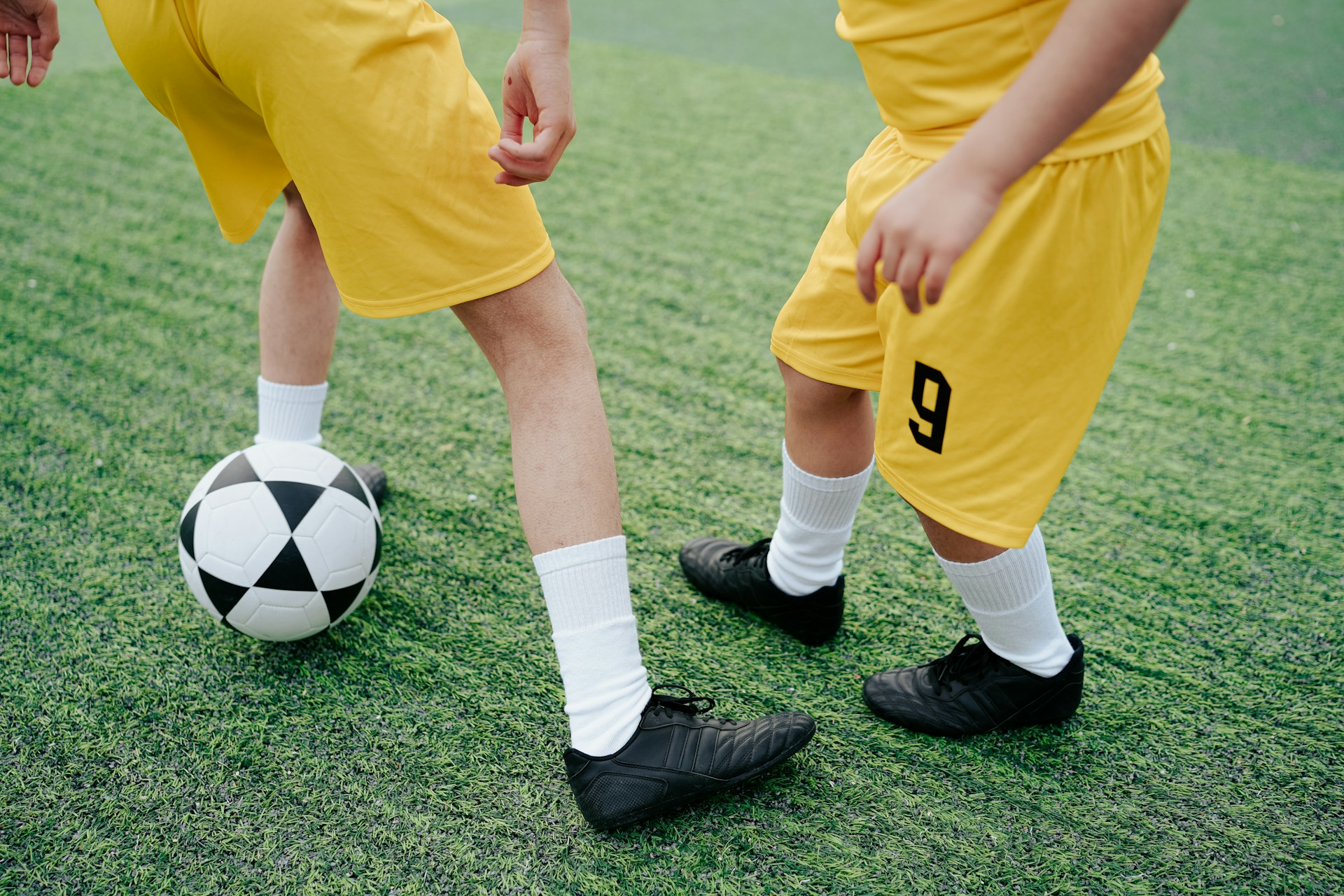
Addressing Technical Weaknesses in Young Players
Every young soccer player will come across a skill or movement that feels a bit off. Whether it’s a shaky first touch or an awkward body angle when shooting, these technical gaps can make players feel stuck during games and training sessions. The earlier these issues are spotted and worked on, the easier it is to build stronger habits and boost confidence on the pitch. Technical development isn’t about pushing players to be perfect. It’s about helping them feel more comfortable and in control during match situations.
For families in Bexley looking for ways to support their child’s football journey, private coaching sessions are one helpful option. But there’s also a growing push to work these improvements into group training sessions. These classes give kids a chance to develop in game-like settings, learn from others, and fix weaknesses while still growing their natural style of play. Knowing what to look for and how to fix it could be the difference between a child who feels timid about the ball and one who can handle pressure without panicking.
Identifying Common Technical Weaknesses
Technical weakness is a normal part of growing as a player. Every junior, no matter how talented, hits a few roadblocks along the way. The challenge isn’t having these weaknesses, but ignoring them or covering them up with short-term tricks. That’s where the long-term development starts to slip.
Some of the most common technical areas young players struggle with include:
– Passing technique: Some players use only the inside of their foot and never learn how to pass with different parts of the foot. Others rush their passes without looking up, making it hard to connect in team play
– Dribbling control: It’s very common for kids to kick the ball too far ahead or use only their stronger foot. This makes it easier for defenders to read and shut them down
– Receiving the ball: Young players often stand flat-footed or turn away when the ball comes to them. This slows down the game and gives more confident teams the upper hand
– Shooting technique: Many players don’t follow through when shooting, or they shoot off balance. That leads to off-target strikes or miskicks that kill off attacking chances
– Body positioning: If a player doesn’t learn how to angle their hips and shoulders the right way when defending or attacking, they lose time and space that really matters in tight matches
Recognising these patterns is step one. For example, if a child avoids using their left foot in every game drill, it likely means there’s fear or lack of confidence in that skill. That’s not something they’ll overcome through team games alone. Focused training, either one-on-one or in a smaller group class built around improvement, gives them the best shot at unlocking that part of their game.
Watching a child play regularly makes a big difference. Parents, coaches and even teammates can spot repeated habits that point to specific weaknesses. The key isn’t to call them out constantly, but to note them and bring them into training in a clear, encouraging way.
Personalised Training Plans That Fix Weaknesses
Every child learns differently. What works for one player might not work for another. That’s why a blanket training method doesn’t always help kids fix their weakest parts. Creating a personalised plan allows coaches to break down one or two targeted areas and build sessions that fix those over time.
Here’s what a focused plan might look like:
1. Start with an honest skill review. Watch your child during drills, small-sided games and full matches. Make notes on when they hesitate, how they react to pressure and which skills they avoid using
2. Pick one weak area at a time. Trying to rebuild passing, dribbling and shooting all at once is overwhelming. Choose the biggest need and work on that first
3. Add simple exercises, then build. It starts with slow, low-pressure activities. As the player improves, the coach adds in more decisions, speed and pressure
4. Layer in real-game moments. Once technique improves in drills, group-based play makes it easier to see if the change is sticking during faster-paced play
5. Review weekly and switch focus. When progress is clear, move on to the next weakness. Keep reinforcing what’s already working so bad habits don’t return
Private football coaching in Bexley can offer this kind of personal attention. But even group training classes that stay focused and consistent can adapt certain drills and offer slight modifications so each child gets more value. When that one technical gap starts to close, confidence usually rises fast.
The best training plans don’t just develop skills. They develop habits. Repetition with the right guidance builds trust in those skills, which turns them into reliable habits under pressure.
Implementing Consistent Practice That Builds Lasting Technique
Once a weakness is identified and worked into a training plan, it needs repetition to become reliable. But not just any repetition. The practice needs to be consistent and done with purpose. Young players often improve faster in group-based programs because they build habits while surrounded by peers who push the pace, offer examples or create pressure that mimics match conditions.
To get the most out of practice, the training should:
– Include short, focused drills that target one skill at a time
– Create time for repeated touches rather than standing in long lines
– Encourage players to make decisions while using the skill rather than just executing it with no pressure
– Include basic challenges, such as left-foot-only or using one-touch passes, to keep players engaged
– Come with feedback that highlights effort, not just outcomes
Repetition is key, but it’s more effective when the environment is fun and welcoming. In a group setting, coaches can pair up players who struggle in the same area or mix skill levels to encourage learning through observation and effort. For example, a player working on body positioning might benefit most by defending against someone slightly faster or more unpredictable. That sort of interaction pushes decision-making and adaptation in real time, which solo drills often miss.
Group training blocks, like term programs, help cement these routines. Players show up with the same group across several weeks, usually in a similar location and time. That structure helps kids stay on track and feel settled in. A group setting doesn’t just build skills, either. It builds commitment. Kids might drag their feet with solo backyard drills, but when they’re part of something bigger, they tend to show up consistently.
Monitoring Growth and Making Smart Adjustments
Tracking progress isn’t just about checking off tasks. It’s about picking up on changes like stronger body language, quicker passes or more confident touches. Signs of growth often show themselves in how players handle pressure and how often new skills show up during games without the player thinking twice.
Some ways to check improvement might include:
– Watching how often a player uses their weaker foot
– Noting if shooting accuracy improves, even under pressure
– Seeing if the player moves into better positions without prompts
– Checking how they react when they lose the ball
Video recordings from training or games can help show subtle shifts that might not be clear in the moment. Parents and coaches can use these to create a feedback loop — a mix of reflection and encouragement that motivates further growth.
As players show progress, it’s time to adjust the program. That may mean adding a defender to passing drills, speeding up decision-making exercises or switching to left-foot-only challenges. On the flip side, if progress stalls or old habits start to reappear, there’s no need to start over. Just dial the drill back a step or revisit early stages for a short refresher.
Training sessions in Bexley are built to offer that flexibility. Even within a group setting, sessions can offer layered drills that support individual needs. A single game setup could work multiple techniques at once, with slight changes applied based on what each player is working on. That way, all players stay included and engaged.
Helping Kids Grow With Confidence and Control
Improving technical areas isn’t about being the best out there. It’s about building belief in what each young player can do with enough time and support. When a player feels safe to try, fail, and then try again, their learning pace tends to spike.
Group settings help with this by creating learning environments that feel shared, not isolating. Kids begin to realise they’re not the only ones working through a challenge. That brings relief. When they see teammates learning as they go, their own mistakes feel normal, even expected. That encourages effort without fear.
Coaches who spot and reward effort — not only outcomes — help steer players towards long-term development. Confidence builds when kids are reminded that improvement happens one touch, one pass, one moment at a time.
Week after week, the changes pile up. A better first touch. Quicker decision-making. More mistakes owned and recovered from. These moments shape young players into more complete footballers.
For players in Bexley, the right football coaching doesn’t just improve skills. It builds character. It gives kids a setting where they can fix what’s not working and grow what’s already good. The game becomes theirs. And over time, that’s what makes football fun, challenging and something they want to keep coming back to.
To help your child thrive in football, consider structured programs that blend technical growth with team play. Focus Football Development’s term programs offer the benefits of private football coaching in Bexley while giving young players the opportunity to develop in a group environment. Give your child the right tools to feel more confident and in control every time they step on the field.


No Comments
Sorry, the comment form is closed at this time.