

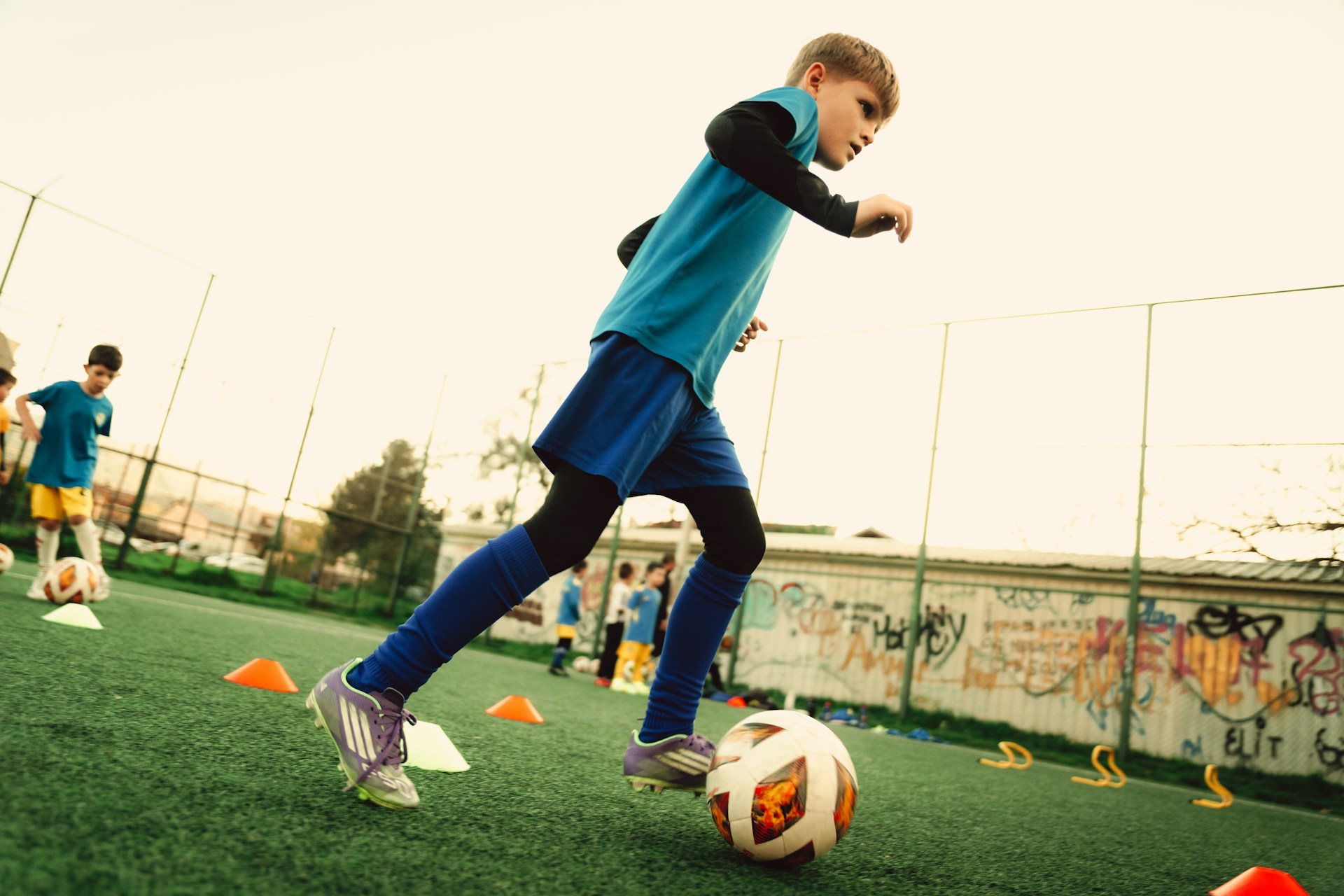
Everything to Know About a Professional Football Training Program
A good professional football training program gives kids the structure they need to build skill, confidence, and smart habits over time. It is not just about doing drills or having a kick with friends. It is about helping young players improve in the right setting, at the right pace. Many families look for something more consistent than individual coaching, and that is where group training programs play a big part.
As winter winds down in Sydney, it is a valuable time for school-age players to settle into a clear routine. Players who stay active and connected through the colder terms usually head into spring sharper and more prepared. That is why timing matters. Keeping football part of the weekly rhythm now means kids can enjoy the spring season without starting from scratch.
What Makes Football Training Professional
A professional football training program is not about hard drills or intense coaching. It is about having a plan. Every session should have a goal, whether that is working on passing under pressure or improving teamwork through small-sided games. Coaches typically follow a term-based approach, building weeks of training around small, achievable targets.
In group sessions, that structure means players show up knowing what they are working on. They expect focused warmups, particular technical areas, and a chance to play in-game settings where skills are tested under pressure. What makes that professional is not just the drills but the way progress is tracked gently over time. Feedback is regular and part of the rhythm, not something that feels like a test.
- Planned weekly sessions help avoid random or disconnected training
- Group settings make it easier to track improvement without pressure
- A term-based model gives space for players to build gradually
Why Group Training Builds Smarter Players
Football is a team game, and learning in a group helps players understand how their decisions affect others. In one-on-one training, a child might become sharper with the ball, but in group work they learn how to make quick choices, talk with teammates, and figure out where to be without the ball. These are the things that do not come from drills alone.
Being around peers also supports confidence. When kids hear others ask the same questions or see how different players solve problems, they start to learn faster. They stop being afraid of making mistakes and start paying attention to how others improve.
- Game situations teach real-time decision-making and communication
- Peer feedback and interaction build confidence and curiosity
- Group gameplay creates awareness outside the ball and develops positioning
Key Parts of a Weekly Training Session
Each group session should feel familiar but never boring. Most sessions follow a clear arc. A warm-up to get moving and shift into football thinking. Then drills that focus on individual skill like first touch or turning under pressure. After that, small-sided games bring those skills into live play. Sessions end with a short cooldown to finish with control.
Doing certain drills each week builds habits, while mixing them up keeps kids alert. Warm-ups refocus energy, especially after school. Short, structured games help players test technical ideas in action. This balance makes sessions productive and enjoyable.
- Warm-up routines reconnect players to the ball and group
- Skill drills isolate core movements like passing and dribbling
- Small-sided games add pressure and decision-making in fun setups
Keeping Motivation Strong Through Winter
Term training builds consistency, which is especially helpful during cooler months. When training is built into the school routine, it is easier to stick with the sport even when it is dark early or a bit wet. Having a regular group means showing up feels easier, too. Players know what to expect and who they will see.
We have found that even with a strong program, small at-home habits can help keep kids connected between sessions. Parents might not need to organise extra training, but they can keep routines steady.
- Try to keep sleep and meal times regular on training days
- Encourage kids to talk about their sessions and what they liked
- Let players take the lead in packing their gear to build responsibility
When players stay on track through winter, their rhythm builds naturally into spring.
How to Spot a Good Fit for Your Footballer
Every child responds differently to coaching environments. What works well for one might feel too fast or too serious for another. A good fit in group training usually shows up in how comfortable a player seems. A balanced program gives space for quiet players to build slowly and for more confident ones to stretch themselves without feeling overwhelmed.
Here is what we notice when a group program is working for a player:
- They ask more questions and remember session topics the next week
- They laugh, support teammates, and stay switched on even during struggles
- They talk about training beyond the field, without being prompted
Group programs that run over a term allow this kind of steady settling in. When kids are not rushed to improve in a few short sessions, they build a stronger base and enjoy themselves more.
Helping Players Feel Ready for the Spring Season
A solid training term through winter leads to a stronger, more confident spring. Players who stay engaged in a professional football training program will notice the difference once the sunshine and competitive matches return. Skills feel automatic, decision-making speeds up, and the nervousness that comes with a long break is not there.
Most importantly, structured group training makes players feel part of something regular. That kind of belonging helps them walk into spring games ready to enjoy the moment instead of guessing what comes next. With a steady schedule now, they head into spring sharper and more prepared to play the way they want to.
At Focus Football Development, we have seen first-hand how kids thrive with purpose, structure, and teammates they trust. A well-run group environment builds football skills and helps kids enjoy the game while making steady progress each week. When your child is looking for a balanced approach that encourages personal growth, game awareness, and ongoing development, our professional football training program is a great next step. Contact us to discuss how we can find the right fit for your player.


No Comments
Sorry, the comment form is closed at this time.