

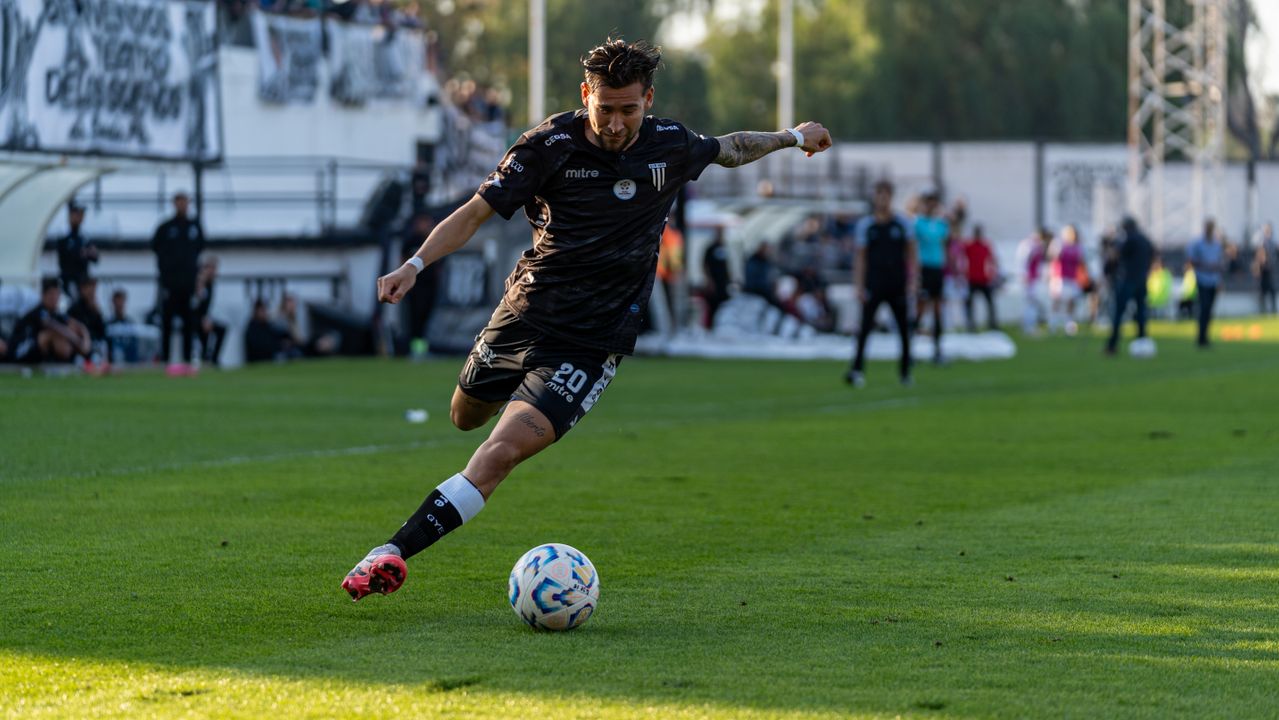
Why Private Soccer Coaching in Arncliffe Can’t Replace Group Play
Private soccer coaching in Arncliffe can sound like a great idea for families wanting focused development. There’s clear value in working one-on-one with a coach, especially when technique needs work or a skill needs sharpening. But many kids thrive with more than just personal tips. What solo sessions often miss is the value of group play, the part of training where kids learn from others, grow confidence in a team setting, and begin to enjoy football beyond drills.
Group settings offer something different. They give young players the chance to develop social awareness, build resilience, and learn how to solve problems while part of a group. These are not things that always show up in technical work, but they shape how kids carry themselves both on and off the pitch. When we are working with players across a full term, it is clear these peer-to-peer moments often matter just as much as the coaching itself.
The Social Side of Learning
Nothing teaches teamwork better than actually being part of one. Group football sessions naturally bring players into contact with different personalities, strengths, and learning speeds. And from that, they start picking up real-world team skills:
- Communication becomes more useful when it’s regular and meaningful
- Encouragement starts to flow naturally as players grow commitment to their mates
- Patience builds in shared scenarios where not everything clicks on the first go
When kids train together, they learn from watching each other. Maybe one player finds a smoother way to receive a pass. Another might signal better on positioning. These small moments help everyone move forward together. Peer feedback can be more relatable than top-down coaching sometimes, because it comes from the same level of experience. That mutual understanding matters, especially when confidence is still developing.
Replicating Real Match Scenarios
Football is a team game. And no matter how refined a player’s technique becomes, individual drills will not recreate the feel of a match. In group sessions, we can simulate that reality with pace, unpredictability, and mixed decision-making.
- Game-like drills train players to make fast choices while dealing with others on the pitch
- Position swaps give every player a feel for different roles, helping them think beyond their own usual spot
- Small-sided games boost awareness and build habits that carry into real matches
Players start understanding why timing matters or how to switch from defence to attack in a split second. Those shifts are best learned within a group, where space, tempo, and instinct cannot be perfectly planned. That messiness is part of the growth.
Confidence Through Shared Progress
Winning a small moment feels better when it is shared. In group football environments, kids see their teammates struggle, succeed, and push through the same challenges they are facing too. That shared progress creates trust. And that matters when confidence is still forming.
- Mistakes do not feel as heavy when others make them too and keep going
- Celebrating improvement with friends builds a stronger connection to the sport
- Helping others also helps players recognise their own growth quietly
We often see quieter players start lifting their voice over a term. Not because they have been told to, but because they have had time to feel part of something steady. Term-based training lets that confidence grow naturally, not under a spotlight but in the rhythm of shared effort and support.
Limits of One-on-One Coaching Alone
Private coaching has its place. It can tidy up technique and offer close direction, but it can also miss key parts of playing within a team. One-on-one setups do not often teach how to read others, deal with disruption, or communicate mid-match.
- Solo training can feel intense and sometimes isolating for kids still building self-assurance
- Feedback only comes from one voice, leaving little room for peer learning
- Transferring clean technique to messy game-day decisions becomes a real challenge
We have seen players from only one-on-one backgrounds hesitate during team drills. They sometimes second-guess themselves or wait too long for instruction. It is not that they lack skill. They just have not had space to practise working with others under realistic pressure.
Why Structured Group Programs Make the Difference
Consistency is one of the strongest parts of term-based group training. Weekly sessions in a steady group mean players are not just getting better, they are tracking each other’s growth too. That creates a setting where learning feels connected and progress becomes shared.
- Having a regular time and place helps with rhythm and memory
- Seeing each other weekly builds peer accountability and support
- Repeating activities with different matchups reveals growth over time
More than just structure, there is a shared purpose. Kids see the same faces, hear the same goals, and get better at football together. They try different roles and develop smarter habits, not because someone told them to, but because the group helped get them there. That is something private soccer coaching in Arncliffe cannot always recreate.
Team Learning Builds Long-Term Players
We want our players to grow into more than just strong individual performers. We want them to understand how to lead, how to back each other up, and how to stay steady when matches feel tight. These are often quiet traits, built over time in a group training space.
Private sessions can polish skills, but they cannot always give kids the messy, real-time experience of being part of something bigger. When players see each other grow, when they help reset a missing cone or give a mate a quick pointer, they are not just training, they are learning how to be reliable teammates.
That shift does not happen in a day. It builds from regular group challenges, quiet encouragement, and the patience that comes with season-long trust. For any young player in Arncliffe looking to truly grow on the pitch, learning alongside others might just be the most helpful step.
At Focus Football Development, we know that players grow faster when challenged alongside others and supported within a consistent term structure. While individual feedback is valuable, the real progress often comes from group sessions built around genuine match scenarios and steady encouragement from peers. If your child has experienced private soccer coaching in Arncliffe and you are looking to broaden their development with more balance, confidence, and learning, we would love to chat about how our group-based approach could benefit their game.


No Comments
Sorry, the comment form is closed at this time.