

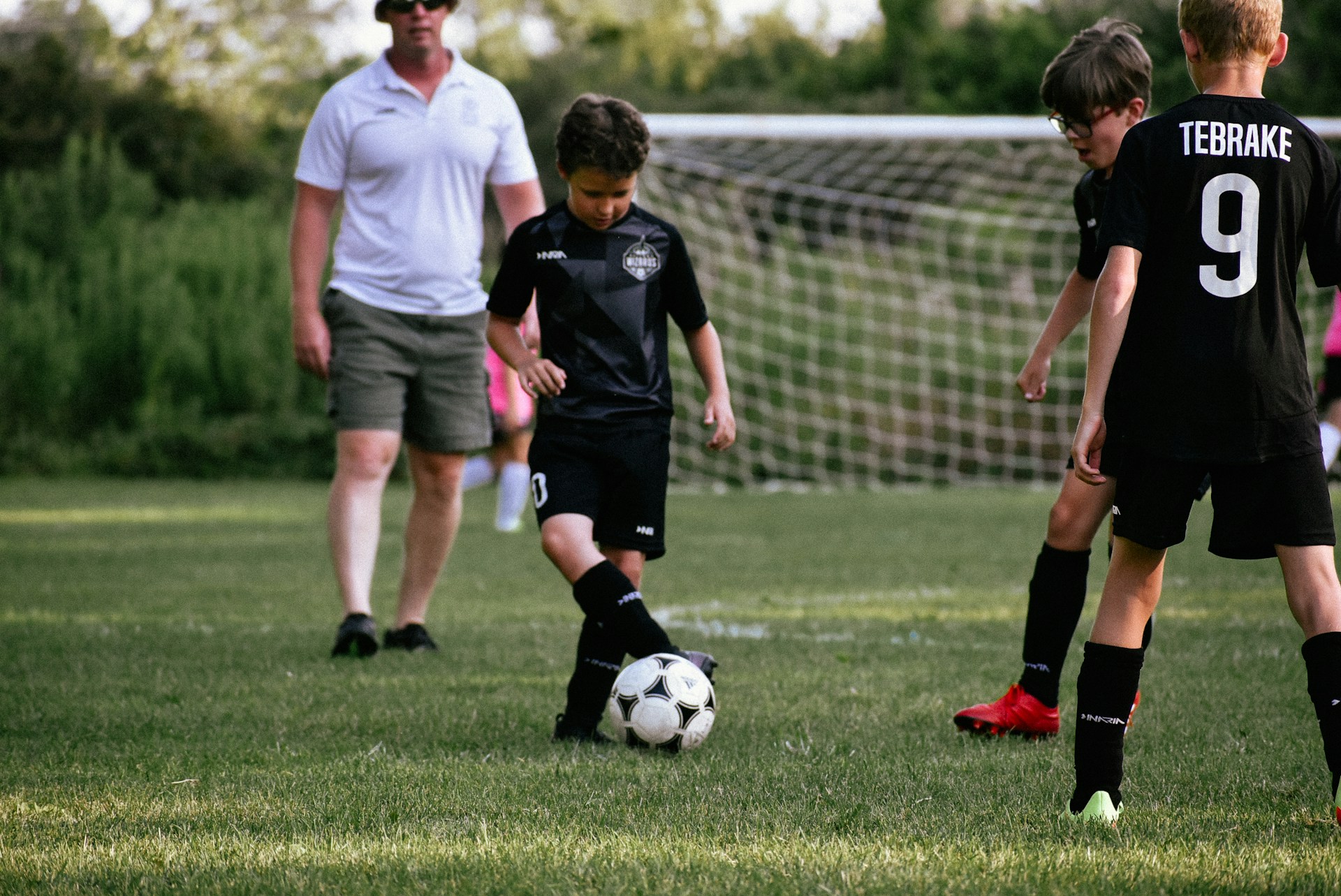
How Football Coaching in Sydney Builds Resilience After School Breaks
February in Sydney signals the end of summer holidays and the return to school, routines, and packed weekly schedules. Kids shift from long, unstructured days to early mornings and tighter commitments, which can come with a mix of excitement, fatigue, and hesitation.
That’s where football coaching in Sydney fits in. Group sessions give young players an outlet to reset, stay motivated, and build structure after the break. The rhythm of weekly training offers more than just exercise. It brings a familiar space where kids can recharge mentally, rebuild good habits, and reconnect with others right as the term begins.
Re-establishing Routine Through Physical Activity
School holidays usually turn routines upside down. Sleep gets messy, meal times stretch, and attention tends to drift. Jumping back into full-time learning can be a shock to the system. Football training helps bridge that gap between holiday mode and term structure.
• Scheduled group sessions become anchors in the week, helping kids feel grounded again
• Putting on boots, arriving on time, and knowing what to expect all help reset habits
• Movement-based routines make the transition feel active, not overwhelming
• It’s easier to rebuild a sense of consistency when the environment is familiar and social
Getting a ball at their feet again helps kids tune back in, find structure in motion, and remember what it feels like to be alert and engaged.
Building Confidence After Time Away
A few weeks off is enough for some young players to lose touch with how confident they felt last term. Nerves often show up when kids return to training after a gap, worry about skill loss, feeling behind, or not knowing how they compare to teammates.
• We ease into the term with simple drills that get feet moving without pressure
• Being part of a group helps players reassure each other just by showing up and giving things a go
• Small wins, like a clean pass or a smart decision during a game, quickly rebuild belief
• Repetition and encouragement from coaches help players relax and settle into the rhythm again
Nobody expects perfection after holidays. The goal is to reawaken muscle memory, let kids feel capable again, and remind them that they belong. The focus is on gradual improvement, enjoying the game, and gaining that sense of belonging that comes from being with teammates who are often in the same boat. By supporting each other, players learn that even when their skills feel rusty, they can quickly rediscover their confidence.
Sharpening Focus Before School Commitments Grow
Term one ramps up fast. By late February, schoolwork picks up, assignments start rolling in, and attention spans are pulled in different directions. Early term is a sweet spot for training and mental resets.
• Ball drills and partner tasks require real-time decisions, which sharpen thinking
• Kids practice sticking with one task, blocking out distractions for short bursts of time
• Football rewards focus. Players who pay attention see faster progress in both control and teamwork
• Quick shifts in direction, learning plays, and responding to others help shape adaptability
Training now supports the kind of short-term focus kids need for class discussions and early tests without feeling like extra work. The focus sessions during football training often mirror the types of concentration students need inside the classroom. Concentrating on a drill, listening to instructions, or reacting to movement all sharpen mental habits that benefit them on and off the pitch. In these early weeks, it’s less about long endurance and more about waking up those pockets of focus that help ease the transition back to academic life.
The Group Setting: Learning Resilience Together
Learning to deal with frustration or mistakes is just part of football. One missed goal or slip-up in training can dent a player’s mood. But in a group setting, they’re not alone. Everyone’s practicing, struggling, and improving together.
• Players learn not to dwell on errors because there’s always another chance coming
• Team games help kids read frustration in others, offer support, or lighten tense moments
• Resilience gets built when challenges are expected, not hidden
• Coaches guide players to reframe setbacks into chances to learn and adjust
There’s comfort in shared effort. When the whole group is asked to push through a tough drill or regroup after a tiring run, players feel like they’re growing, not failing. The sense of community is an extra boost for kids who might otherwise get discouraged after a mistake. In this positive environment, learning how others bounce back quickly from setbacks helps kids adopt the same resilient attitude. Players can explore their strengths and weaknesses without fear, knowing everyone has ups and downs. Celebrating even the smallest achievements together solidifies a sense of progress.
Steady Progress Before the Autumn Season Kicks In
February might feel quiet on the sporting calendar, but it’s often when the foundation for the next few months is laid. It’s less about making big leaps and more about building consistency before outdoor comps and trials begin in autumn.
• Regular training in early term builds stamina and rhythm
• Players start fine-tuning positioning, movement, and timing with fewer distractions
• Early involvement gives players the chance to polish finer skills before selections and matches start
• Being present now keeps players calm and ready later when games matter more
There’s no rush to peak in February. But missing this window can lead to a slower start once fixtures return. The lead-up to the main competition period is all about strengthening basic skills and routines. Returning to football training in February means players can gradually rebuild their endurance and technical ability without the pressure of immediate games. By moving at a steady pace, they’re less likely to burn out and are more prepared when matches become more frequent. This preparation period helps players find their rhythm, so they step into the season with greater confidence and less anxiety.
Why Focusing on Early Term Training Makes a Difference
At Focus Football Development, our accredited term programs in Sydney are designed to help kids transition out of holiday mode and build reliable learning routines. Sessions are structured around proven Football Australia curriculum, and groups are tailored by age and skill so each player is supported and challenged. Our approach develops resilience, confidence, and the teamwork skills they need for the year ahead.
Strong Starts Lead to Stronger Seasons
Football coaching in Sydney during the early weeks of term does more than fill time. It resets young players after long breaks, supports their return to routine, and helps them enter the school year feeling organised, connected, and motivated.
Starting steady gives players the emotional and physical structure to handle whatever the season brings. Whether they play socially or get ready for competition, consistent class-based training now makes everything that follows more manageable. Showing up sharp in February shapes better habits, ones that last on the pitch and far beyond it.
At Focus Football Development, we understand how steady training supports young players in bouncing back after the holidays. Our group-based sessions foster structure, skill, and self-belief right when kids need it most. If you want to help build consistent, positive routines this school term, it’s a great time to join our football coaching in Sydney programs. We help children settle in, stay active, and keep growing. Get started with us today.


No Comments
Sorry, the comment form is closed at this time.