

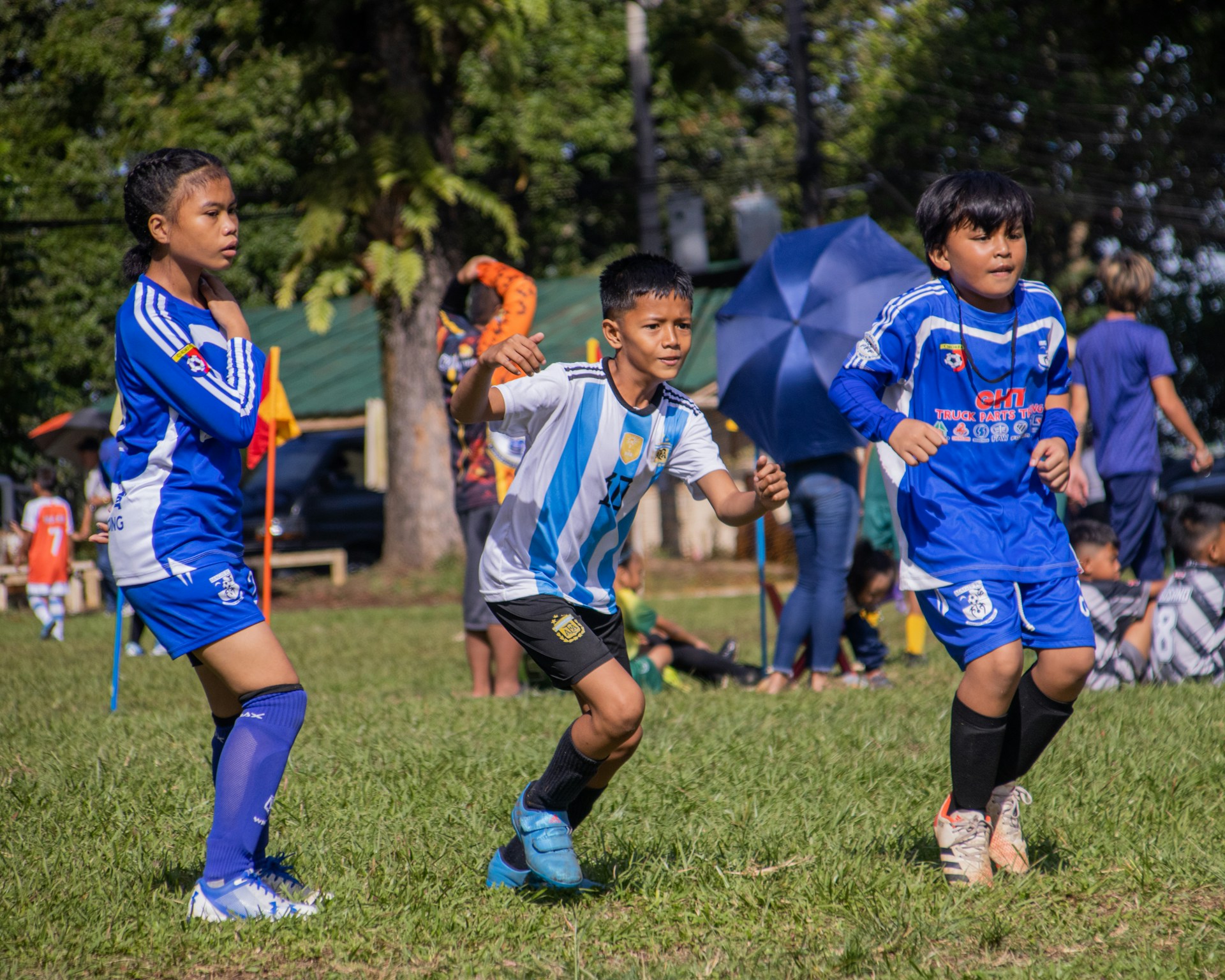
Building Teamwork Habits With Football Soccer Training Basics
Teamwork isn’t just something that happens on match day. It’s built slowly, through practice, shared routines, and learning to read the play together. This begins in training, especially when players take part in consistent, group-based football soccer training. In team sessions, players don’t just focus on personal technique, they start to understand how their decisions affect others.
Our term-based group programs create a reliable space for that kind of growth. Over repeated sessions across the term, young players pick up the habits that later shape how they support their teammates. These habits aren’t shouted or forced. They grow naturally through drills, chats, and learning to move in sync with others.
Part of what makes group soccer training unique is the variety of personalities, skill levels, and backgrounds brought together on the same pitch. Each session provides a new opportunity to adapt, adjust, and find ways to help others connect on and off the field. By building friendships as well as football skills, players develop a foundation that goes beyond drills, helping them feel at home in the team environment.
Why Teamwork Starts With Basics, Not Matches
Before a team can pass sharply or move as one unit, they need to learn the basics together. We often see players keen to jump to advanced tactics, but it’s the simple patterns that set the ground for team play.
In group drills, players begin to learn good habits like:
- Timing their runs so they don’t crowd each other
- Passing into space, not just to feet
- Knowing when to hold shape or shift with defensive pressure
These aren’t flashy lessons, but they build the instinct to work with, not against, others. When those early movements are repeated across a term, players begin to predict what their teammates will do, because they’ve done it together so many times before.
If these basics are skipped or rushed, teams often fall apart under pressure. No amount of strategy replaces the shared understanding built by doing the small things, over and over again in training. When everyone revisits these patterns together, the repetition locks in critical details, so when match day comes, responses are second nature. Step by step, the gap between a group of individuals and a functioning team narrows.
For young players, constantly revisiting these building blocks ensures that technique and teamwork develop hand in hand. Creating team-oriented habits is not about mastering complex routines first, but about ensuring everyone understands and executes the fundamentals that make up the fabric of every strong team.
Communication on and off the Ball
Talking during a game doesn’t come naturally to most young players. Many stay quiet, unsure of what to say or when to say it. This is where football soccer training makes a big difference. In the safety of group practice, calling out becomes part of the routine rather than a nerve-wracking choice.
We use small-team games to create moments where communication is needed, including:
- Calling for the ball in tight space
- Letting others know who to mark or when to switch
- Giving encouragement or quick direction during free play
This is where we often see shy kids start to speak. Not with big speeches, just short, useful words that show they’re engaged. When everyone trains together weekly, speaking up becomes another skill, not a scary act. Bit by bit, this builds players who trust not just their own voices, but their teammates’ as well.
Communication isn’t limited to words. In each session, kids learn cues, eye contact, gestures, or simple signals that help move play along smoothly. Over time, these non-verbal signals become a silent language unique to the group. During high-pressure moments, trust in this shared communication makes a difference in confidence and decision-making.
Through repetition, group soccer training turns speaking up into a routine act, reducing anxiety around making mistakes or being heard. As teammates encourage each other, even the quietest players find ways to support the conversation on and off the ball.
Leadership and Role Sharing in Training
Teamwork doesn’t mean everyone waits for one leader to take over. Real teamwork comes from knowing your job and trusting that others know theirs. During group training, players learn to switch roles, step up when needed, and adjust based on who is playing around them.
In team sessions, we notice players start to:
- Step into leading warmups or guiding a younger teammate through a drill
- Recognise when to take charge and when to step back
- Adapt their positioning to support others, not just chase the ball
By trying different positions in training, kids find what suits them, but more importantly, they learn what others need from them too. That lateral view, seeing beyond your own role, is what grows unselfish, team-focused athletes.
During term-based group sessions, players have repeated chances to lead by example. Maybe they help organize balls before a game or encourage someone who missed a shot. As they get comfortable, some step into more visible leadership, calling out instructions or motivating their group. Others show leadership quietly, by setting standards, always listening, or simply making the extra effort to include everyone in the group drills.
These experiences help players understand that leadership is shared and that a good team includes a mix of voices and personalities contributing in their own ways rather than relying on one loud voice.
Building Trust Through Repetition
It takes time to read body language, playing styles, and small habits that teammates fall into. The only way to build that familiarity is repetition. Not flashy new tricks each week, but turning up, running drills together, and slowly building a shared rhythm.
Over the course of a term, group players start to:
- Anticipate how their teammate will receive a pass
- Know who likes to switch play and who will hold it
- Set up without speaking, using subtle cues like shifting weight or eye contact
This kind of trust isn’t shouted or listed on a clipboard. It’s felt in rhythm, like when a defender steps in and the keeper already knows to cover the back post. These moments are earned through calm, consistent training, not match-day pressure.
When players trust each other because they’ve trained together regularly, the whole team becomes more confident. They stop hesitating. They start supporting without second-guessing.
Over time, the consistency of group soccer training shows in subtle ways, players comforting each other after a mistake, calling for a switch before tensions rise, making sure everyone is included regardless of skill. Through these moments, the bonds between teammates grow stronger and deeper, carrying through high-pressure games and into friendships off the pitch.
Repetition also helps new players feel welcome. Each time they train, they learn a little more about how the group functions, what to expect, and how to contribute. Each session, every small moment of shared effort helps weave stronger connections, building a team that truly trusts each other on and off the ball.
When Young Players Learn to Work Like a Team
Team habits start small, timing a run, speaking up early, or defending as a pack. None of it happens overnight. But when players share a term of football soccer training, these habits begin to stick. And with that comes more creative, more confident games.
The bond formed through repeated group training is hard to replicate in short bursts. Week by week, kids discover what kind of teammate they are. More importantly, they learn how to bring others into the picture.
That’s the kind of learning that stays with them not just for one game, but across seasons. When players have shared the hard reps, the fumbles, and the slow wins in training, what they build is real teamwork, and that lasts far beyond the final whistle.
Group sessions allow everyone to witness each other’s progress, helping players recognize what can be achieved when everyone supports each other. In these environments, shy players learn to speak up, leaders learn to listen, and everyone finds their place in the group. Even mistakes, missed passes, lost games, become part of the shared learning rather than individual setbacks.
The more familiar the faces, the easier it is for kids to feel safe to try, fail, and try again. This encourages risk-taking and creative thinking, both essential for personal growth and for developing unique team strategies. Over time, the trust and confidence gained from group soccer training influence not only their play but also their attitudes toward challenges in other areas of life.
At Focus Football Development, we know real progress happens when players train together consistently across the season. When your child is ready to develop confidence, communication, and teamwork through structured group learning, our Sydney-based programs are designed for steady growth. Our term sessions help build habits that carry over from the training pitch to game day through engaging, dynamic activities. Find out about our football soccer training options and see how group classes build team skills that last. Get in touch to find the right term and get started.


No Comments
Sorry, the comment form is closed at this time.