

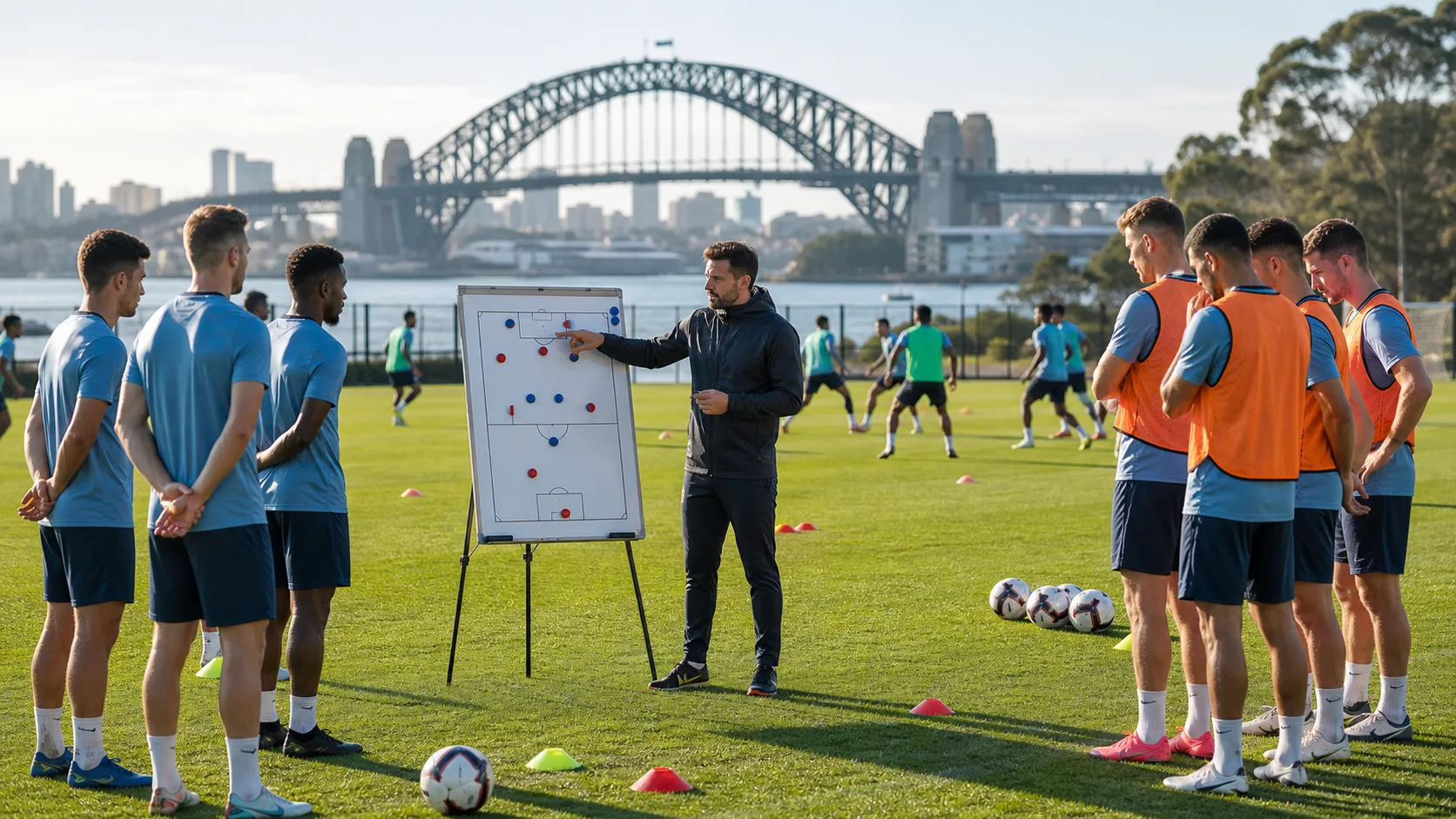
How Soccer Coach Strategies in Sydney Differ by Age Group
With early spring arriving in Sydney, outdoor sessions pick up again and term-based training returns with new energy. As players come back after winter, a soccer coach in Sydney starts to shift their lens. Coaching isn’t just about drills or formations. It’s about recognising the age of the group and how that shapes everything, from how kids talk with one another to how easily they take on feedback.
We think about group rhythm a lot. What works for a seven-year-old won’t land the same way with a teenager. Kids bring different needs to the pitch depending on where they are in their development, and it’s our job to notice what helps them connect. Through every stage in our term program, coaching choices change. What stays the same is the focus on building a group that learns, plays, and grows together.
Coaching Strategies for Ages 5–8
Younger players often arrive full of curiosity and energy but still unsure how a session works. In these years, we keep things light, playful, and steady.
- We use repeatable session structures so younger players feel safe knowing what happens next
- Drills are game-based, with colours, movement, and roleplay that invite imagination
- We avoid detailed instructions and instead build awareness through guided play
The biggest shift here is about trust. These players are still learning how to share, negotiate space, and follow group signals. Too much pressure early dulls their motivation. But when the tone is friendly and the games make sense, their confidence grows fast. We find that by keeping the group style similar each week, the kids start to remember footwork, friendships, and focus without needing reminders. These early sessions often include simple routines like lining up for warmups, starting with a group chat, or having a mini-match at the end. That structure is comforting and helps them build positive habits for the future.
Adjusting for Ages 9–12: Building Understanding
At this stage, most players start picking up the logic of the game. They notice positions, gaps, and responsibilities. A coach’s role here is to gently stretch that awareness without making sessions feel like lectures.
- We introduce simple structured tasks, like passing through gates or building out from the back
- Players are coached on how to call for the ball, offer options, and understand body angle
- Drills begin to include choices where players must decide between safe play or risk
Group structure still matters, but now we’re asking more of them mentally. The kids want to “get it right,” so we balance moments of challenge with encouragement. Confidence doesn’t just come from praise, it builds when kids feel equipped to handle different moments on the pitch. A soccer coach in Sydney working with this age group usually adds more small group formats, not full-team drills. There’s still room for fun, but we begin layering in smart play habits too. Sessions now tend to have more focused talks about teamwork, setting shared goals, and learning how to read the play as a group. These talks help players start thinking together, not just as individuals.
Coaching Early Teens (Ages 13–15): Shifting into Purpose
Teenagers are more self-aware. They compare, they analyse, and they start connecting their choices to outcomes. This brings new coaching chances, but also more pressure if the wrong tone is used. For us, this age group benefits most from sessions that invite reflection alongside effort.
- We use training moments that involve pressure, like tight-space games or timed transitions
- Coaches provide direct feedback, asking players to describe what they see and what they chose
- Some activities give teens a lead role, helping with warmups or planning group shape
When we coach early teens, it’s not enough to correct. We ask questions. Why did you pass there? What happened after that run? This style keeps them thinking. We push them physically in bursts, but just as importantly, we challenge them to reflect. Getting them to talk through a play shows they’re growing past just reacting. Teen sessions tend to be quieter at first, but over time, we hear stronger voices, clearer instructions, and more team-led decisions. More often, we’ll set up competitive situations where teams have to solve problems on their own. Teens respond well to responsibility and appreciate when their input shapes how a session unfolds. They start managing transitions, talking about strategy, and learning how their actions affect the whole group.
Coaching Older Teens: Autonomy and Accountability
By the time players reach 16 or 17, coaching shifts again. Most already know the drills. They’ve got physical fitness, but now the work is about consistency and execution under pressure. The relationship between coach and player matures too, we’re not just guiding, we’re sharing the space.
- Sessions start with larger themes, like structure across halves or rotations during transitions
- We expect players to apply concepts they’ve already learned without pause
- Decisions should come quicker, not rushed, but trained into instinct
With older teens, our tone changes. Yelling across the field stops being helpful. We work side-by-side, finding space between drills to give tips or share match reads. Here, feedback runs both ways. We might ask “What would fix that run?” instead of just saying what went wrong. These players are close to independence, which means we coach more like peers, not as friends, but as shared learners with field knowledge to trade. As these players prepare for senior levels or competitive matches, we provide opportunities for leadership within the group. Some might captain scrimmages or help plan a session focus, learning to guide their peers through challenges and setting examples in attitude and preparation.
A Smarter Way to Grow Together
Coaching doesn’t follow one rulebook. It moves with the group. Across every term, we watch how age affects group trust, how kids look at mistakes, and when they start taking note of each other’s play. A five-year-old needs joy and rhythm. A fourteen-year-old needs structure and space to lead. Good coaching rises and falls with these shifts but keeps the same long view.
Sydney’s term-based training helps make these changes possible. Seeing the same group each week allows us to build patterns, not just in drills, but in connection. The more time we get with each age, the clearer it becomes what they need from us and what they can grow in each other too. It’s not always quick, but it’s steady. That’s the kind of growth that sticks. By focusing on connection, trust, and gradual progress, we create an atmosphere where players feel comfortable to take risks and find pride in their own improvement, no matter their age or experience.
At Focus Football Development, our group sessions are designed for steady, age-appropriate growth throughout each school term. We focus on building strong fundamentals for younger players, then gradually develop advanced tactical skills as they progress. Our coaching method is shaped by how children think, move, and connect at each stage. To see how we train as a soccer coach in Sydney, or to find the right program for your child, get in touch with our team today.


No Comments
Sorry, the comment form is closed at this time.