

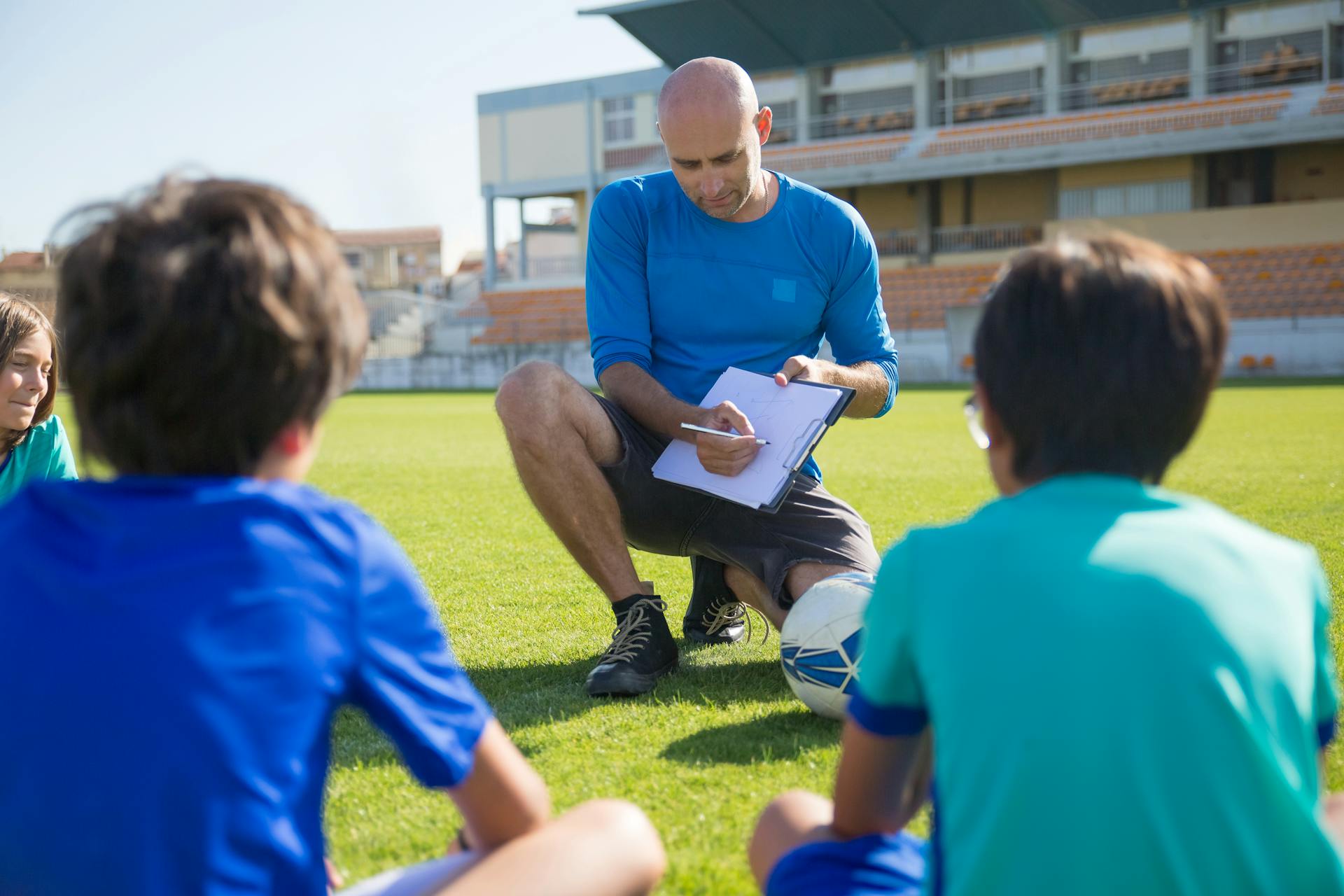
Why Football Coach Selection in Banksia Impacts Team Confidence
Confidence has a lot to do with how a football team plays, but it doesn’t just come from winning matches or running the right drills. It starts with how players feel when they show up to train. For younger players still building their style and trust in themselves, their coach has a big part to play. When a football coach in Banksia brings balance, fairness, and structure to a group, kids tend to step up, not just for themselves but for each other.
In term-based training programs, players spend weeks building moments together. That kind of learning needs more than passing drills or match simulations. It needs a coach who helps the group find rhythm, feel safe to grow, and build habits that stick. The right coach sets the mood, tunes into the energy of the players, and keeps that thread of development going session after session.
The Coach’s Role in Building Team Connection
Team connection doesn’t happen by accident. A coach’s attitude and tone shape how the group gels on and off the ball. When a coach keeps a friendly but focused tone, it puts players at ease while still letting them know what’s expected. As trust grows, so does the willingness to take chances, try new things, and speak up when something feels off.
We’ve seen how much stronger a group becomes when communication is clear and consistent. That means using the same words for certain actions, showing patience when players need correction, and cheering the little wins. Players take more risks when they know they won’t be embarrassed if they get it wrong. That comes from repeat experiences with a coach who backs them through both mistakes and breakthroughs.
- Tone and consistency help build trust across the group
- Clear instructions support faster decisions on the pitch
- A safe space makes it easier for players to keep trying, even when things are hard
Skill Development Through Structure and Repetition
Confidence grows when players know what’s coming and how to improve. A steady group program gives them something to stand on. When a session flows with a clear shape, kids spend less time wondering what’s next and more time learning. A good coach knows how to build each week on the one before, mixing repetition with variety to hold attention.
That doesn’t mean every session looks the same. It means there’s a plan that helps each skill grow. If a pass wasn’t working last week, it gets baked into warm-ups or game-play drills this week. If a player missed the idea behind holding shape, the coach makes time to explain it simply and show what success looks like. Growth tends to follow when we repeat with purpose, not pressure.
- Players perform better when they understand the session’s aim
- Small, steady improvements feel less overwhelming than big jumps
- Motivated correction keeps spirits up and learning on track
The Impact of Coaching on Group Behaviour
A strong coach doesn’t just help players move better. Good coaching helps shape how players treat each other and what effort looks like. Young players often copy what they see. When their coach stays calm, follows through on expectations, and handles pressure well, they start doing the same.
That applies to everything from arriving on time to bouncing back after a loss. Coaches lead the way on how teams react to setbacks, talk through disagreements, or celebrate progress without showing off. When everyone knows the rules are fair and enforced the same way, the whole group steps into a more respectful style.
- Coaches guide how the squad reacts to ups and downs
- Fairness and consistency build deeper respect
- Group habits often reflect coach behaviour over time
Why Local Coaching Matters in Term Program Settings
Having a football coach in Banksia who knows the area, the parks, and the families behind the players changes the way sessions run. That local connection helps players feel seen, not just as a number in class, but as a real person trying to learn the game. It also helps coaches tune sessions to fit the common skill levels or gaps in an area, making training more focused and effective.
With term programs, where the group trains week after week, the value of that connection gets even stronger. A local coach who shows up regularly becomes part of the weekly routine for many families. That stable rhythm helps players settle in quicker, stick with the group longer, and look forward to coming back the next time.
- Local coaches often know what motivates kids in the area
- Parents and players build more trust in training that feels personal
- Steady attendance improves when players enjoy who’s leading the session
Watching Confidence Grow Over Time
One of the best parts of group training is watching how players slowly change from holding back to stepping up. A sign that coaching is working is when players start calling for the ball more, passing without fear, or helping out teammates without being asked. That shift doesn’t come from talent alone. It usually builds from a few months of the same voice guiding and encouraging them each week.
Good coaching helps kids take real pride in their own improvement. Not just because their shot looks sharper or their passes land better, but because they feel part of something. When the group pulls together, practices run smoother, motivation stays high, and those little personal wins stack up faster than anyone sees coming. A confident team is often the one that sticks together, not just plays together. Confidence shows in how players talk, move, and support each other, well before the scoreboard says anything at all.
At Focus Football Development, we believe strong coaching builds more than just skills, it shapes how young players feel about their training, their teammates, and themselves. When a coach builds connection and structure into term sessions, players start showing up with more confidence and energy. For families seeking a group-based program led by a reliable football coach in Banksia, we offer structured training that supports growth at every stage. Reach out to see how we can help your player take the next step.


No Comments
Sorry, the comment form is closed at this time.