

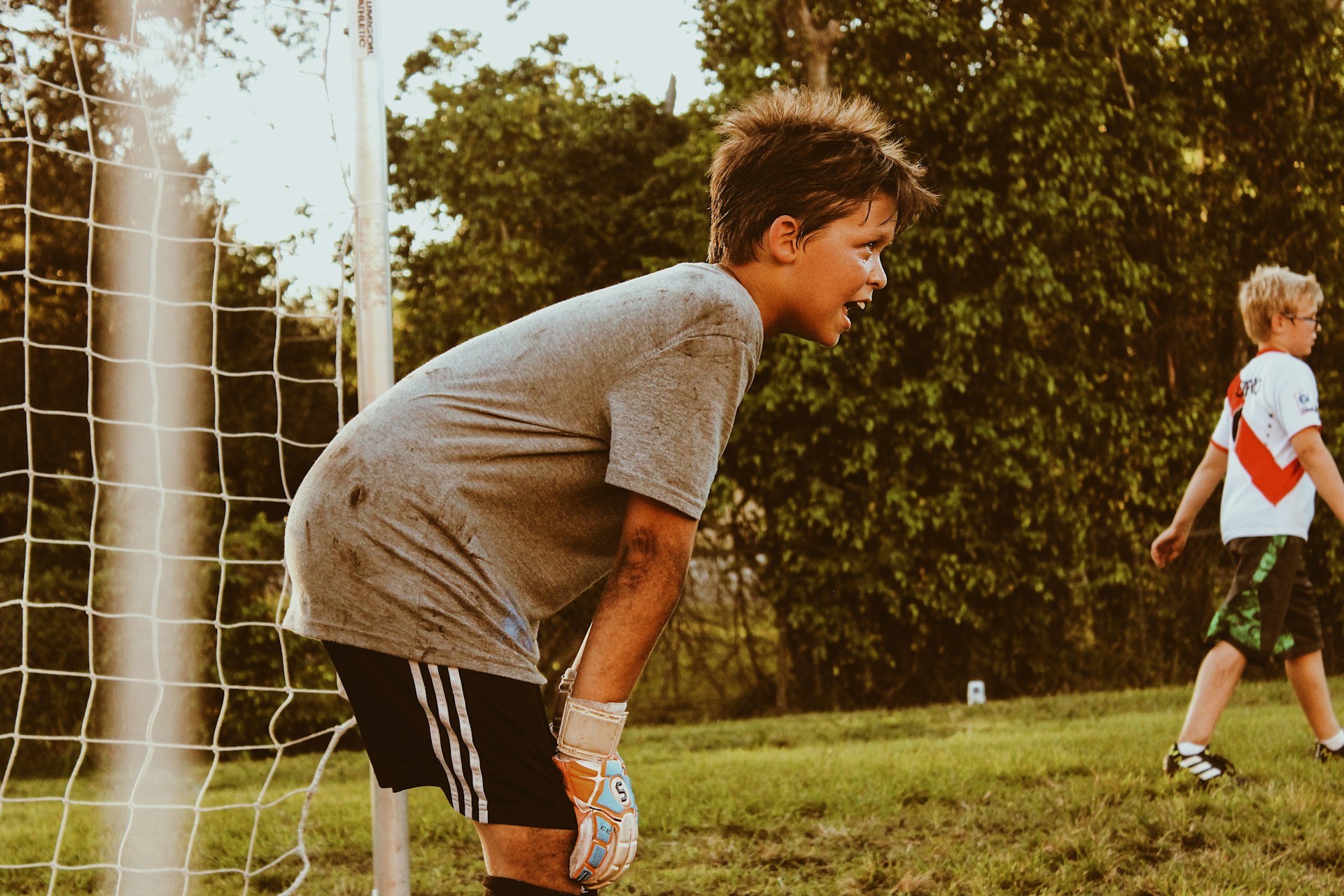
Preventing Mental Fatigue in Young Soccer Players
Playing soccer is a thrilling experience for young athletes, but it can sometimes lead to feeling tired mentally. This tiredness, known as mental fatigue, can affect how players perform on the field and how they feel about the game. It’s natural for young players to get tired, especially with the busy schedules and high energy they put into sports. The excitement of practice might begin to wear off, leading to focus and motivation slipping away. This is why understanding mental fatigue is important for both players and coaches, ensuring that the joy of soccer remains strong and vibrant.
When players train in groups, the mental demands can slightly differ from individual sessions. The energy of being part of a team can be exhilarating, but it may also come with added pressure. Group dynamics, peer competition, and lengthy sessions can intensify mental strain if not managed well. Recognizing mental fatigue early can help in addressing the issue, preventing it from escalating and impacting overall well-being. By focusing on an approach that balances training with rest, young athletes can continue to love the game and improve their skills in a healthy way.
Recognizing Signs of Mental Fatigue
Understanding the signs of mental fatigue is the first step in addressing it effectively. Young soccer players might not always express when they’re exhausted mentally, so it’s helpful for parents and coaches to be on the lookout for certain indicators. Physically, you might notice players are slower, or their movements are less coordinated. They may miss easy passes or hesitate more often during drills, showing signs of reduced concentration. On an emotional level, you might observe changes like irritability or seeming more withdrawn than usual. A usually enthusiastic player might lose interest or struggle to find the energy for their favorite drills.
Another thing to look out for is changes in mood or demeanor. Players may come across as more anxious or frustrated, especially in group settings where peer dynamics are at play. Encouraging open dialogues about feelings and energy levels can help foster a supportive environment where players feel comfortable sharing their experiences.
Here are some typical signs to keep an eye out for:
– Decreased focus and missed cues during practice
– Lack of enthusiasm for attending practice sessions
– Physical signs like moving slower or appearing sluggish
– Emotional changes like mood swings or increased irritability
By recognizing these signs early, coaches and parents can implement strategies to help young players manage their mental fatigue. This allows them to maintain their love for soccer and continue to grow in the sport without burning out.
Strategies for Prevention
Preventing mental fatigue in young soccer players requires a thoughtful approach that integrates rest, balance, and a supportive environment. First and foremost, adequate rest is vital. Ensuring that children get plenty of sleep and downtime between training sessions can greatly reduce mental strain. Encouraging players to balance their time between school, sports, and relaxation is also beneficial. This helps them stay energized and engaged without feeling overwhelmed.
Creating a positive and fun training environment is another effective prevention strategy. Young athletes should look forward to training sessions, not dread them. Incorporating playful elements and varied drills keeps practice exciting and can stimulate their enthusiasm. Regularly mixing up activities can also prevent monotony, making each session something to look forward to. Coaches and parents should work together to recognize when a player needs a break or a change of pace to maintain a healthy enthusiasm for the game.
Some key strategies include:
– Ensuring consistent and ample sleep each night
– Balancing schoolwork, training, and leisure activities
– Varying practice routines to keep them engaging and fun
– Monitoring players’ workloads to prevent burnout
Role of Soccer Coaches in Sydney
Soccer coaches are instrumental in managing both the physical and mental wellbeing of young athletes. In Sydney, where football is immensely popular, coaches are central to crafting an environment that promotes mental resilience. A good coach doesn’t just instruct; they observe and engage, tailoring activities to match the mood and energy levels of the players. For example, implementing diverse training activities that challenge players while allowing them to showcase their creativity can help keep spirits high.
Moreover, a coach’s understanding of mental resilience exercises can be pivotal. Techniques such as mindfulness exercises or simple breathing techniques can empower young athletes to manage stress better and enjoy a more focused mindframe on and off the pitch. Open lines of communication between coaches and players where thoughts and feelings can be expressed without judgment also contribute significantly to emotional wellbeing. Encouraging team discussions about goals, worries, or even just chatting about fun topics can foster a sense of community and support.
Benefits of Group Training Programs
The benefits of group training are broad, touching upon the social and psychological aspects of the sport. Engaging in group training sessions allows young players to feel part of a supportive community, where they learn together and support each other’s growth. This camaraderie can make a significant difference in combating feelings of isolation or pressure that might otherwise arise during solo training. Social interactions in groups teach valuable life lessons beyond soccer — from developing communication skills to understanding teamwork dynamics.
Group sessions can also subtly introduce kids to healthy competition. Participating with peers gives them a realistic gauge of their abilities while encouraging them to improve at their own pace. More than just tactics, these sessions foster relationships, build mutual respect and, importantly, keep the joy of playing soccer at the forefront. Giving players the opportunity to celebrate each other’s success and work through challenges together strengthens their bond and drives motivation.
Keeping Soccer Fun and Engaging
Maintaining fun and engagement in soccer creates a positive cycle where motivation and skill development go hand in hand. By infusing practices with creative methods, whether it’s through age-appropriate challenges or quirky team games, players remain excited and ready to return to the field. Tailoring drills to fit various learning styles can keep things fresh while helping each child find their own space in the game.
Team spirit thrives in environments that celebrate effort as much as achievements. Having a supportive network – be it through cheering on teammates, rewarding effort, or setting achievable targets – enhances the playing experience and motivates children to strive for their best. Encouraging kids to come up with their drills or even lead a warm-up can also instill confidence and a deeper connection with the sport. This active participation turns soccer from just another activity into a cherished part of their daily life.
Wrapping Up
Being mindful of mental fatigue in young soccer players is necessary to foster their development in the sport. Recognizing the signs early and implementing preventive strategies can help maintain their passion and resilience. Soccer coaches in Sydney play a crucial role in overseeing both skill development and emotional health, ensuring that group training remains a nurturing and enjoyable experience.
Building strong team dynamics, supporting one another, and celebrating small victories collectively instill an appreciation for the game. These experiences help young players develop both on and off the field, preparing them for the diverse challenges of soccer while safeguarding their mental health. By creating a joyful and balanced environment, young athletes can flourish, continuing their journey in soccer with sustained enthusiasm and joy.
Encourage young players to enjoy and develop their skills while managing mental fatigue with guidance from a soccer coach in Sydney. Focus Football Development offers engaging term programs that balance learning and fun. Discover how group training can enhance your child’s love for the game and provide them with a supportive community.


No Comments
Sorry, the comment form is closed at this time.