

Myths About One on One Football Coaching and Team Development
We talk to a lot of families who believe one on one football coaching is the fastest way to help their kids improve. It makes sense at first glance. The idea of personal focus, detailed feedback, and drills tailored to your child sounds like the perfect plan. But football isn’t just about technique. It’s about timing, teamwork, and learning how to make smart decisions under moving pressure. That’s where the bigger picture comes in.
Our term program focuses on soccer training in groups because development is more than just how many touches a young player can take in a quiet space. It’s about how those touches hold up in a busy game. One on one football coaching can be useful in short windows, but relying on it too heavily can leave some gaps.
The Idea That One on One Football Coaching Guarantees Faster Skill Growth
It’s easy to think that private training always speeds up progress. After all, a coach spending the entire session on one player leaves no room for distractions. But learning football isn’t the same as learning lines for a play. It’s dynamic. Even with repetition and sharp technique, players need pressure from others to shape their decisions.
- Private sessions can sharpen mechanics, but mechanics alone won’t carry through a match
- Fast decision-making under pressure is usually better developed in group play
- Growth slows when players don’t get the chance to adapt in real-time game settings
It’s not that private training doesn’t help. It can. But when it becomes the only method, it often lacks the unpredictability that match play demands.
The Assumption That Group Sessions Lack Personal Attention
Another concern we hear often is that group classes feel impersonal, like kids might get lost in the numbers. But when done well, small group training offers balance between shared play and focused support.
- Coaches often rotate attention across players during drills, giving each child moments of focus
- Group work allows peer comparison and learning by watching others succeed (or struggle)
- Kids often unlock new ideas just by sharing the pitch with someone a step ahead or just behind them
Not every correction has to come directly from the coach to be useful. A well-structured session gives players room to make choices, fix mistakes, and try again alongside others doing the same.
Believing One on One Coaching Builds Better Confidence
Confidence can grow when players feel seen and supported. That’s part of the appeal of private sessions. But confidence doesn’t just come from praise or correction, it builds from persistence, connection, and learning to recover from mistakes.
- Team environments help players develop emotional resilience
- Missing a goal or losing possession in front of others teaches personal awareness and recovery
- Teammates offer encouragement and build shared energy that solo sessions can’t recreate
Confidence that lasts isn’t built by avoiding discomfort. It’s shaped by facing challenges and learning that your value isn’t tied to perfect performance every time.
Thinking Team Play Comes After Individual Mastery
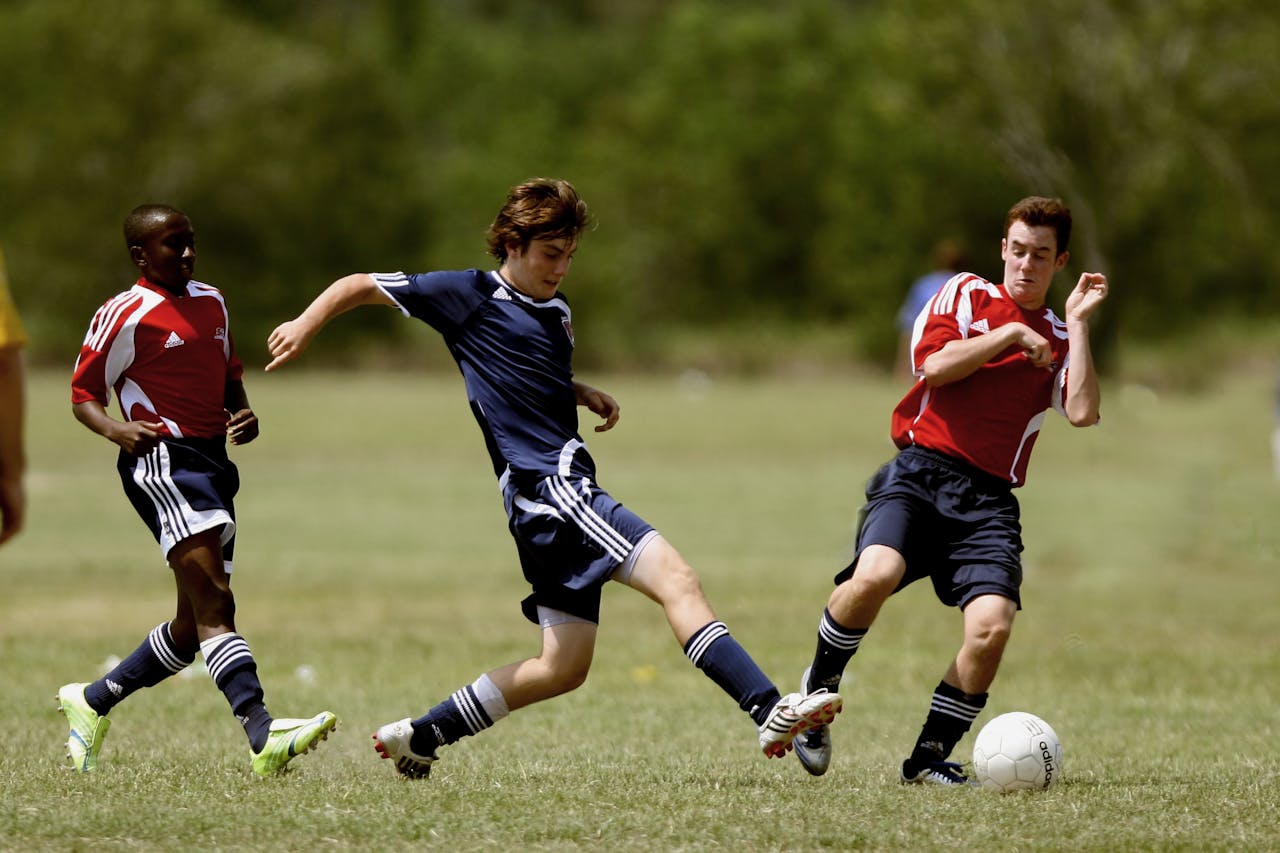
Some think players should train alone until their footwork is solid, then join a team later. But learning to play within a group is a skill, not just a reward for mastering the ball. Without constant interaction, timing and positioning fall behind.
- Kids learn to read play better when they’re part of small-sided games regularly
- Team shape helps younger players see patterns and understand their role
- Technique improves faster when it’s used in match-like settings again and again
Waiting until a child is “ready” can actually delay key habits. Playing with others helps tie together the messy middle steps between knowing what to do and knowing when to do it.
Group Training Helps Build Long-Term Habits
Group soccer training isn’t just about players getting better week to week. It’s about setting structures that support steady growth across terms. Kids are more likely to improve when they know what to expect, feel part of a community, and show up consistently.
- Term-over-term training plans give rhythm to development and stop stop-start progress
- The routine of group classes builds discipline, listening, and teamwork
- Being part of a group helps players build identity and ownership over their development
What kids learn during a Wednesday afternoon session often shapes how they manage a match on Saturday or how they talk to a new coach next season.
Why Long-Term Growth Needs More Than Coaching Alone
Whether it’s private or group-based, coaching is only one part of how players grow. What happens outside the pitch matters too. When kids have space to rest, support from family, and time to play freely, they tend to grow faster and more steadily.
- Sleep, free movement, and steady meals all play a role in focus and mood
- Encouragement from home helps a child show up ready to listen and try
- A mix of structure and downtime gives kids the mental space to apply what they’ve learned
Skill doesn’t come all at once. It stacks slowly when the parts line up, support, training rhythm, time to reflect, and the freedom to try without everything being perfect.
When we talk about group training, we think beyond drills. We think about long-term habits, meaningful connections, and helping players respond with smart action under real pressure. One on one football coaching can be useful when it fits well, but real development often happens when players take what they’ve practiced and apply it beside others.
As summer fades and the term begins, group training offers more than just activity. It creates structure, stability, and opportunities for players to take steps forward together. That’s where real football comes to life.
For families in Sydney seeking a pathway to genuine growth beyond drills, our term-based group sessions provide the structure kids need to develop through every stage of play. Training together helps young players build timing, awareness, and teamwork in an environment that mirrors real match conditions. While there’s certainly value in one on one football coaching, we find the habits learned in group settings tend to last. At Focus Football Development, we’re dedicated to supporting your child’s football journey in a way that reflects how the game is truly played. Get in touch with us to find out how we can help your child grow this term.


No Comments
Sorry, the comment form is closed at this time.