

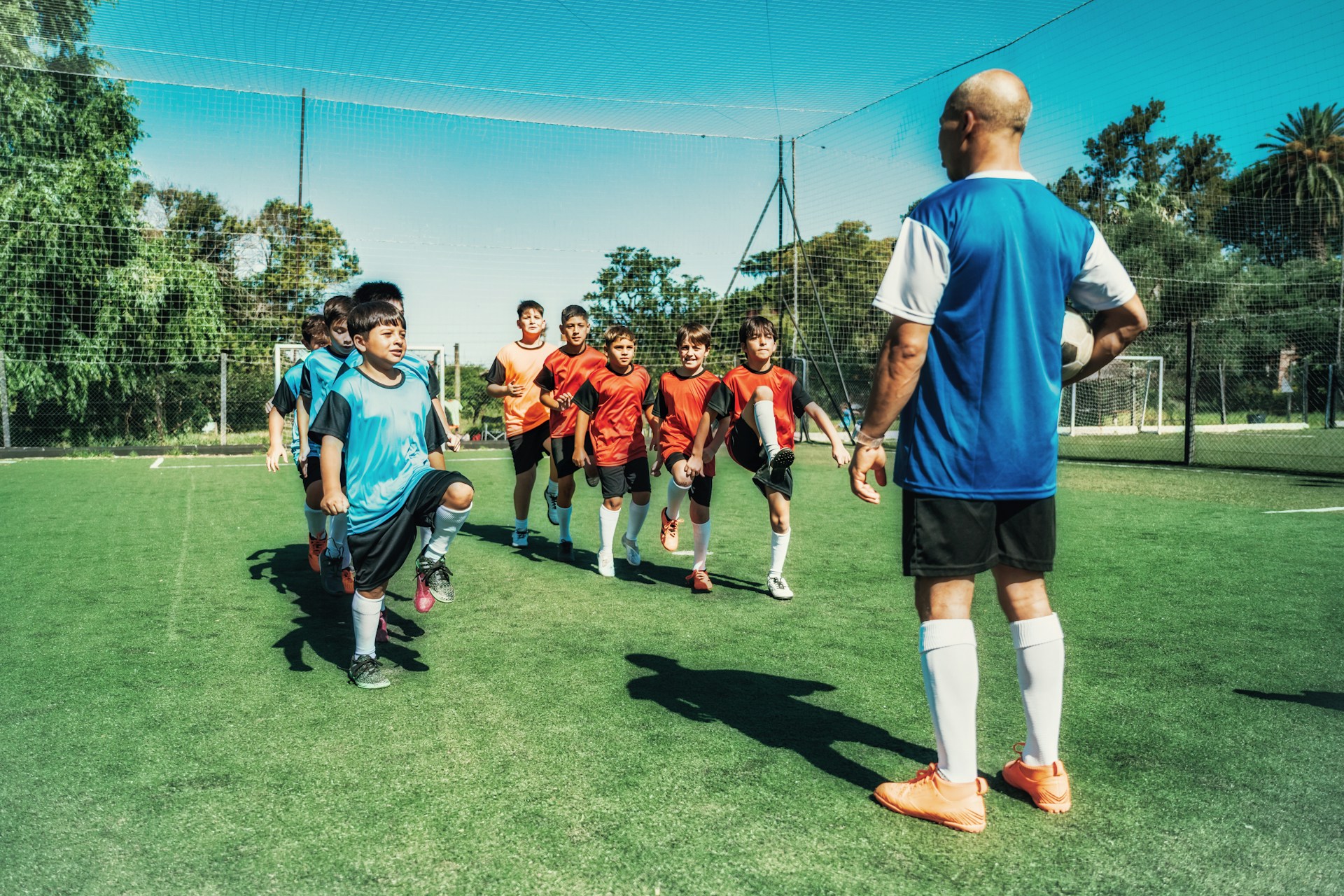
Why Soccer Coach Availability in Sydney Impacts Group Continuity
Consistent group training matters more than people often realise, especially when it comes to learning how to play as a team. It’s not just about players turning up each week, it’s about building familiarity, trust, and rhythm. When that rhythm gets interrupted, it takes longer for players to settle into the style of play that brings results across the season.
Having the right soccer coach in Sydney makes all the difference in keeping group sessions running smoothly. When coaches are regularly available and help create a steady training flow, players start clicking with each other. But when availability starts to shift too often, that momentum can slow, sometimes without anyone noticing it right away.
How Group Soccer Training Builds Player Growth
Group sessions give players the chance to build more than just physical skills. Spacing, movement, timing, all of those decisions happen faster when kids train together regularly. Picking up when to hold back and when to press forward comes from sharing the field week in, week out.
The structure of consistent group training helps in a few key ways:
- Players build habits together, which reduces confusion during games
- Repetition in a group setting helps cement tactical awareness
- Shared time makes it easier to spot what works and where support is needed
When players join sessions at random or miss too many, it’s harder for the group dynamic to settle. We see stronger confidence and teamwork when players learn alongside each other week after week, under one solid coaching plan.
Not only do players make physical gains, but their communication skills improve as they interact with different teammates and adapt to new game scenarios. This shared experience leads to a deeper understanding of the game, both on and off the ball, making teamwork stronger. Regular group training lets coaches introduce fresh tactics while reinforcing the basics, giving kids the chance to experiment within a supportive structure. With ongoing guidance, players start recognising their own improvements, building momentum that can make each week more rewarding.
What Happens When Coaching Staff Rotate Too Often
A good training routine takes time to stick, and not just for players. Coaches lead the pace, shape the expectations, and keep focus steady. So when coaching staff change too many times during a term, even small shifts can throw off the flow.
Younger players, for one, don’t adapt instantly. Each coach has a slightly different tone, pace, or method of correction. It can take a few sessions just to understand what the new coach is looking for or how they want drills run.
Group training works best when:
- Players trust the voice giving them directions
- The coach knows where each player sat last session
- The whole class knows how each session will run
When those pieces keep changing, kids stop feeling like part of a team and start second-guessing what comes next.
Repeated coaching rotations also mean new learning expectations can surface mid-program, potentially leading to confusion or lack of motivation. When young players are just settling into a style or learning pathway, sudden changes can unsettle the group, making everyone less sure of their next steps. Even simple routines like warm-ups or cool-downs may get inconsistent when coaches rotate frequently. Over time, this can lower engagement levels, making it harder for players to look forward to training.
Why Availability Matters in Term-Based Programs
Term programs run best when players and coaches both show up week after week. That consistency helps everyone lock into a natural flow. When schedules line up, so does energy. A soccer coach in Sydney who stays committed through the full term can shape stronger habits, which lasts longer than any one-off feedback.
Staying on track during the term depends on:
- Keeping content aligned week to week
- Setting clear expectations early and holding to them
- Making sure the next session always builds on the last
When the same coach leads each block, players don’t just learn tricks or plays, they grow in pace with the program. Skipping or switching throws the group off track, and those changes are felt more strongly by players focused on steady progress.
Reliable coaching ensures that training plans hold together from one session to the next. This leads to less wasted time, as the group isn’t scrambling to adjust to a new leader or unfamiliar drills. Players also build a familiarity and sense of connection with the coach, resulting in better trust and more open communication. Trust built over a term often leads to stronger feedback loops so players feel comfortable asking questions or voicing concerns. These advantages carry through to matches, where cohesiveness and confidence are tested.
The Role of Prepared Coaches in Keeping Sessions Productive
When coaching stays the same, the planning behind each session runs deeper. Coaches don’t just think about one week, they map out how every skill builds on the next. That bigger picture helps hold the training thread that weaves through an entire term.
Well-prepared coaching helps:
- Set long-term goals that each session works toward
- Balance challenge with confidence to support steady improvement
- Reduce delays or repeated drills when transitions are smooth
When players return to a coach who remembers where they left off, they don’t waste time retracing steps. Training picks up right where it ended, with small adjustments chosen for the moment. Over time, that rhythm builds sharper thinking and better team play.
Planning at the term level also lets coaches spot group trends more accurately. They can fine-tune drills, tailor feedback to what the group needs, and introduce new challenges at the right moment. This growth mindset benefits everyone, turning bumps or slow points into learning opportunities. Continuous planning and follow-through mean every child, regardless of skill, has a fair shot at growing in the way that suits them best.
When Gaps in Coaching Lead to Gaps in Learning
When different people lead sessions each week, things often get lost between handovers. Certain drills might be skipped or redone, short-term goals forgotten, or coaching tips lost. What should have been a clear sequence of progress turns into a patchwork of mixed messages.
Without stable coaching, we tend to see:
- Players confused on what the focus is in training
- Teams that don’t build trust or shared language on the pitch
- Technical or tactical steps rushed or out of order
Every coach has a different set of strengths. But switching too often means no coach has enough time to bring their plan to life. And when long-term development goes off track, players often feel that slow-down in their match confidence too.
Overlapping plans and mixed messages can also limit a player’s sense of progress. Coaches who cannot see development over time may repeat corrections or miss the right moment to encourage a challenge. As a result, some players might become frustrated, while others hold back ideas that might have helped the group. Consistent coaching means issues are tracked and overcome, not passed on or forgotten.
Building Stronger Group Outcomes Through Coach Stability
The groups that grow the most over a term usually aren’t those filled with the most talented players. They’re the ones where the coach stays consistent, sets a steady tone, and lets the players learn within a rhythm they can trust.
When we talk about progress in group soccer training, it’s about more than just drills and effort. It’s about connection. That connection lives in the tiny adjustments from week to week, the familiar voice pushing them further, the structure that doesn’t change when everything else does.
Steady coaching doesn’t just help players improve. It helps players feel part of something built over time, and that feeling sticks long after the term is done.
Discover how our term programs at Focus Football Development create a steady, connected environment where young players can improve over time. With proper planning, stable coaching, and clear weekly focus, your child can develop habits that translate from training sessions to match day. A consistent schedule with a trusted soccer coach in Sydney often makes the difference between feeling stuck and finding rhythm on the pitch. We design each session to build on the last, helping progress feel natural instead of rushed. Reach out to us today to explore the right group program for your child’s next step.


No Comments
Sorry, the comment form is closed at this time.