

How a Soccer School in Sydney Prepares for Winter Indoor Sessions
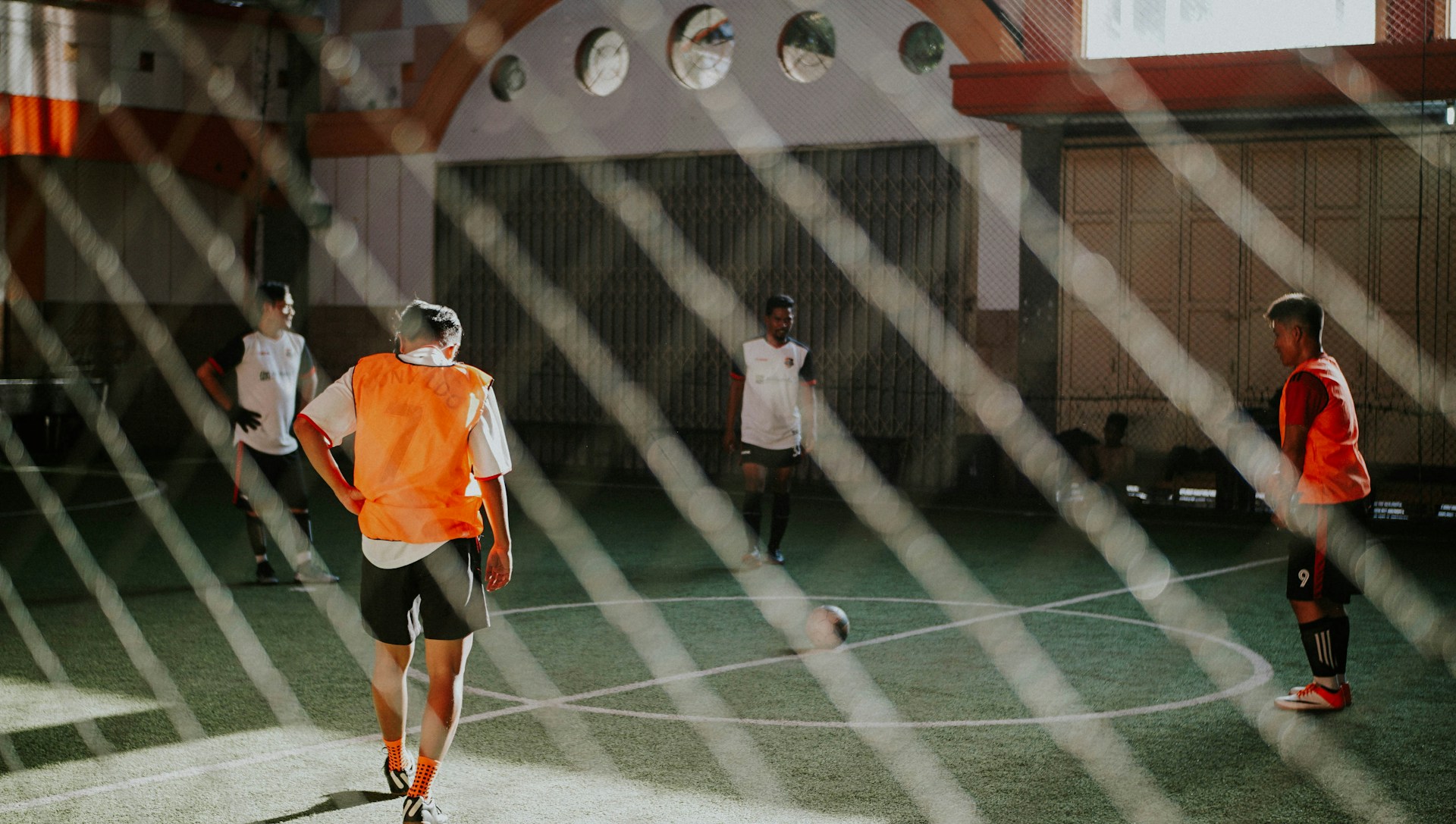
As winter approaches in Sydney, outdoor group soccer sessions start to shift indoors. The temperature drops, the daylight shortens, and many programs need to rethink how they keep young players engaged away from the wide-open fields. For a soccer school in Sydney, this change means more than just staying out of the rain. It is about adjusting drills to fit tighter indoor spaces, keeping energy levels up, and making sure players still build skills and confidence through group-based training.
Indoor training takes some preparation. Not everything that works on a grass field will translate well inside a gym or sports hall. The space is smaller, the surface is usually harder, and distractions can feel louder. But with the right structure, winter term can be one of the most focused parts of the soccer year.
Adapting Spaces for Group Indoor Training
The first part of going indoors is planning the shape and movement of every session. Indoor venues usually mean tighter boundary lines. That does not have to limit creativity, but it does change how we approach group work.
- We customise our drills to keep everyone moving, even without much space. That means choosing group activities that have simple direction changes and quick transitions.
- Small groups paired with rotation help prevent waiting on the sidelines. Everyone gets more time on the ball.
- We use cones, tape, or flat markers to build zones or scaled-down goals. These help keep structure and make sure drills still feel like match scenarios, even on a basketball court.
The goal is to adapt the field size without losing the flow of the session. Once players know the layout, they settle into the rhythm quickly. Adapting to the new environment can take a little while, but keeping a familiar drill or warmup helps everyone feel at home, even inside.
Keeping Sessions Game-Like and High-Energy
Even indoors, the energy of a session should feel close to match day. We keep things moving at pace by trimming down drill lengths and adding pressure or timing.
- Short, high-intensity drills make players think faster. We use exercises that focus on quick touches, fast passing, and close control under pressure.
- Small-sided games do more than save space. They give players more on-ball time and increase communication.
- Instead of long laps to warm up, we use movement-based routines in place. These include dynamic stretches, light agility work, and partner ball drills that bring players into focus without needing much room.
This kind of indoor tempo keeps players sharp. It maintains the quality of training, so when they return outside, nothing feels lost. The compact setting means players are involved all the time, which makes every minute count.
Supporting Player Comfort and Focus Indoors
Not every player enjoys the switch inside at first. A new location, a louder space, and a change in routine can throw some off balance. That is why pacing the change matters.
- We guide players into the new space by making small, gradual adjustments across the first few sessions.
- From day one indoors, we set our indoor expectations clearly: what is different, what to watch out for, how to respect the space and each other.
- Drills are kept short at the start, with high variety and rest worked naturally into the session. This stops tension creeping in and keeps attention steady.
Indoor sessions work best when everyone feels settled. That confidence helps players focus better, and a smooth structure keeps energy in the right spot. Over time, the group gets used to the different noise, the bounce of the ball, and the closeness of walls or boundaries. Coaches help by pointing out small adjustments, building confidence as the weeks go by.
Using the Winter Term to Strengthen Group Habits
With fewer outside distractions and more consistent conditions, winter training is perfect for building team habits. When sessions follow a similar shape each week, players begin to take more responsibility for how they train.
- We use the quieter indoor setting to encourage peer feedback. It is easier to hear one another indoors, so small moments of guidance or support stand out more.
- The winter term is great for reinforcing rhythm. By repeating group-based patterns often across a number of weeks, those movements and connections become second nature.
- Indoor training lets us slow the game down just enough to spot who needs what kind of support. That way, group learning stays balanced without rushing anyone.
This kind of winter pace sets up players for stronger teamwork and clearer roles when the season shifts again. Repeated exposure builds trust in routines, encourages players to support one another, and allows skills to develop naturally week after week.
Building Resilient Players Through Routine
Indoor training opens a different side of player behaviour. Without as much space, the technical parts of the game come into focus. So does the mental side.
- We see players build a stronger sense of control, steady first touches, more measured movements, better choices.
- Patience grows too. In smaller spaces, not every touch leads to a sprint or a goal. Sometimes it is about waiting, reading, and supporting.
- Players often begin encouraging each other more. With everyone close together, it is easier to notice when someone is struggling or doing well, and those connections build faster.
These habits carry back outside. Winter is not just about holding form. It is about growing the kind of focus and communication the game demands long-term. By learning in a group, players test out new ideas, find support, make friends, and develop resilience when sessions are tough.
Why Indoor Preparation Matters for Long-Term Growth
Every season brings its change, and winter asks us to think differently. For a soccer school in Sydney, the value in indoor sessions comes from more than protection from bad weather. It is in how we shape learning in a smaller space, with fewer distractions, and a new kind of pace.
By planning ahead, focusing on high-quality group drills, and giving players steady routines across the winter term, we help them grow in ways hard to reach outside. They leave the season more confident, more tuned in, and ready for the demands of open-field play again. The gains do not come from the size of the room, but from how well we use it. Focusing on teamwork and regular group interaction creates a foundation players will benefit from over many seasons. Indoor soccer helps players learn flexibility, stay active during winter, and become more well-rounded athletes with every session they attend.
With Focus Football Development’s group sessions this winter, your child can build consistency and confidence while staying active in smaller spaces. Our program is designed to capture the pace and excitement of indoor sessions, helping players form strong habits, develop sharper touches, and strengthen teamwork every week. If you are searching for a trusted soccer school in Sydney, we are here to support your player’s growth in a positive, game-like environment. Send us a message today and let us help them get back into rhythm.


No Comments
Sorry, the comment form is closed at this time.