

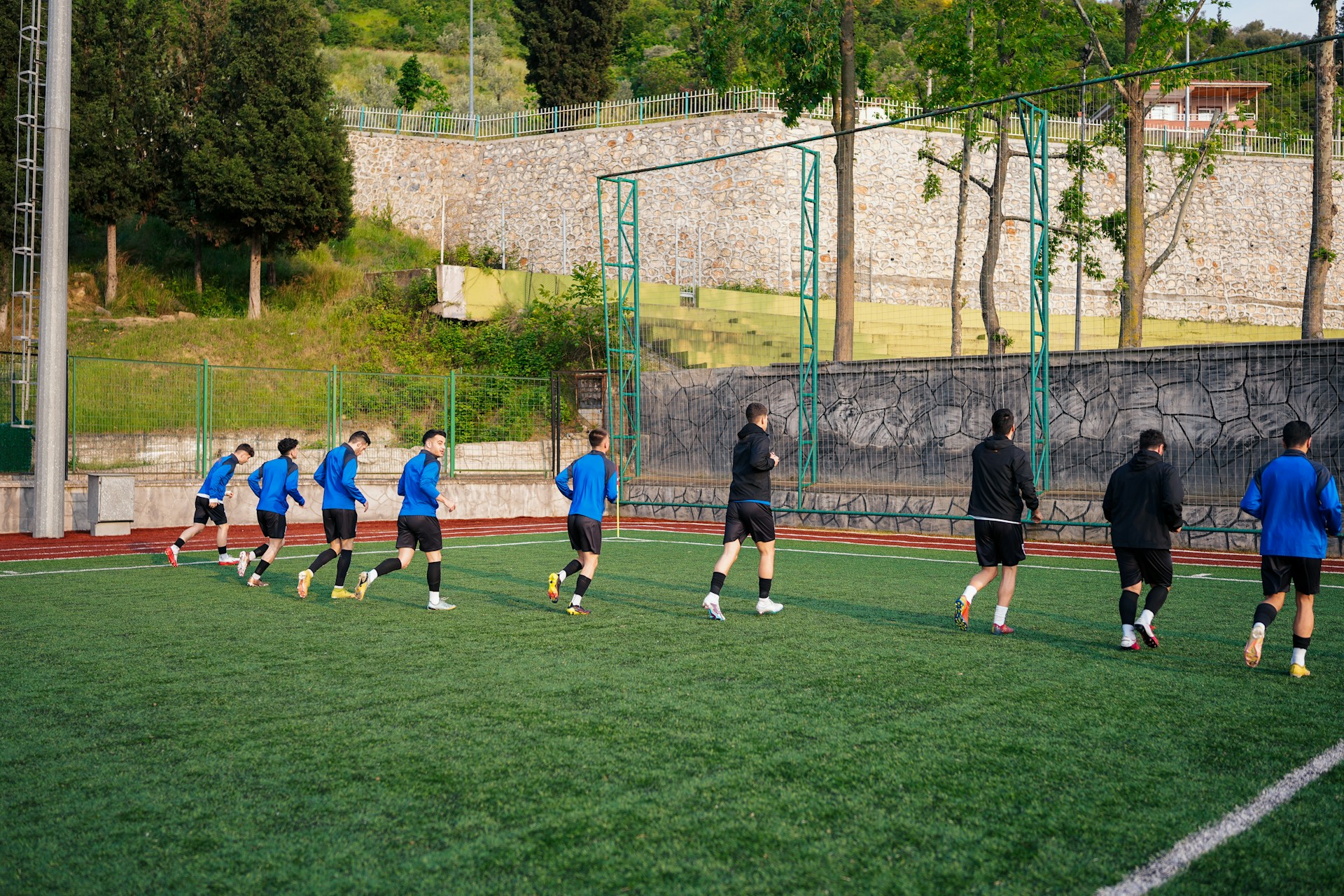
Why Soccer Coaching in Sydney Relies on Small Group Drills
Over the past few seasons, we’ve noticed a shift in the way soccer coaching in Sydney is being approached, especially as we move deeper into more structured, development-focused terms. Coaches, players, and families are leaning away from large, crowded sessions and instead choosing smaller group formats that offer more thoughtful progress. It’s not just about keeping up with trends. It’s about building skills that hold up under pressure, especially as kids return to training routines in early autumn.
As the days start getting shorter and kids settle back into the school term, focus naturally returns to long-term development. This is where group-based formats begin to show their value. We find that small groups in soccer coaching can strike the right balance between individual attention and practical match play, helping players build stronger habits they can trust when match day comes around.
Smaller groups support coaches who want each session to feel targeted, and they provide kids the reassurance that their development won’t get lost in the shuffle. Watching the improvements each season, it seems clear that this format makes it easier for players to find their rhythm and confidence without feeling overwhelmed.
Why Smaller Groups Bring Out Smarter Play
Smaller group drills give players more than just space, they give them decisions to make. In a typical small-sided session, each child has more time with the ball, more chances to react, and more pressure situations that mimic actual play. Repeating a pass or shot under mild pressure in a wider space is one thing. Doing it with someone closing in teaches timing.
- Small groups mean more touches for each player, speeding up thought and improving control
- Better spacing helps kids connect their technique with decision-making
- Players feel more confident knowing they have room to test ideas and respond without being overwhelmed
This setup allows coaches to build in progressions that actually mirror game play, adapting drills in real time if someone needs just a bit more help with a move or defensive action. With less time spent waiting for a turn, kids maximize every minute. It’s easier for them to remember what they learned and apply these lessons when matches begin to pick up speed.
The goal is not just cleaner passes or quicker feet. It’s giving young players the settings where they can build problem-solving instincts under real conditions. The sense of accomplishment when a player pulls off a new skill during a match often starts in these tight-knit group sessions.
Building Team Skills That Actually Transfer to the Pitch
Team play doesn’t just happen on match day. It’s shaped in training, where players learn how to move together, talk through plays, and shift positions based on each other’s choices. Group drills help form this understanding.
- Small groups allow for repeated play within formations, teaching roles through movement
- Players start to notice how their decisions impact others, not just themselves
- Over time, this awareness builds chemistry that carries into weekend matches
In these sessions, players spend more time sharing space, reading visual cues, and figuring out how to support or challenge each other. It’s not only the obvious passes or tackles that matter, small moments of communication, such as calling for the ball or shifting to cover a teammate, get practiced regularly. Those small skills, repeated often enough, start to become habits that stick.
When kids train together in a steady group, they grow alongside teammates working through similar challenges. That makes the learning stick. And when matches get messy, as they often do, players who have practiced recovering, adapting, and thinking as a unit tend to respond faster.
This training environment also offers natural ways for quieter or less experienced players to step into leadership roles, especially when the coach uses group activities to mix up pairings or assign rotating captains. These experiences prepare kids for both the technical and social sides of football as they grow.
How Coaches Give More Consistent Feedback in Group Settings
Contrary to what some might think, small group sessions can offer more useful feedback than private coaching alone. Coaches don’t have to stop a drill every time they want to offer a tip. They can walk through the movements, observe patterns, and give corrections while the game flows.
- Movement-based corrections can be made immediately without pausing the action
- Players often pick up habits from watching each other and making direct comparisons
- By coaching across sessions, it’s easier to spot trends in focus, effort, and growth
This kind of feedback feels practical and timely. A quick nudge during a passing drill can spark a small improvement that sticks. And when players hear consistent language and cues each week, they begin to coach themselves on the fly.
Group sessions build a feedback loop, allowing a coach to notice when someone is gaining confidence and when another needs reinforcing guidance. Sometimes, corrections made quietly on the sideline can have a big impact on a player’s direction, while positive reinforcement in front of peers can spur motivation. Players tend to respond to encouragement from coaches and teammates alike, multiplying the effect of each lesson.
Sharing feedback and observing others allows for growth in unexpected ways. Kids often work out solutions together or mimic techniques they see working for a friend, keeping every session fresh and productive.
What Young Players Need in Autumn to Stay Match-Ready
Once the weather starts to cool, staying sharp takes more discipline. Weeknight fatigue creeps in quicker, and outdoor sessions can feel a bit slower if not structured right. That’s another place small group training earns its spot.
- Smaller groups allow more energy per player throughout the session
- Sessions become a reliable part of the school week, creating steady touch points
- Repetition at game pace stops weekend matches from feeling like a reset
Kids juggling school, activities, and social commitments can sometimes lose their sense of rhythm. Group sessions mean players have a regular, scheduled time to sharpen their skills and work through game mistakes. With smaller groups, sessions feel more dynamic, and there’s less standing around in the colder weather.
As autumn progresses, routines matter more. Players facing weeknight tiredness or cool breezes appreciate a training format that feels lively and purposeful. Regular participation helps kids hold onto technical and tactical lessons, so every match builds on recent work instead of feeling disconnected. This structure keeps players excited for training, even when school routines start to wear them down.
Group training not only maintains sharpness but also provides crucial social connection. These friendships help keep kids engaged, and the shared focus on improvement makes each session something to look forward to.
Tailored Growth That Lasts Beyond the Term
Real development doesn’t happen in one session. It shows in small progress week by week, across the term, and into the year ahead. That’s one of the reasons small group training has become a centrepiece of how soccer coaching in Sydney continues to evolve.
- Players learn how to manage goals and expectations over time, not just chase quick results
- Group environments help kids build friendships, confidence, and identity as a player
- When drills feel shared, kids show up more engaged, and that shows in how they listen, learn, and lead
Players progress at different speeds, so the group environment gives plenty of space for encouragement. They see their own growth reflected in their teammates, developing pride in shared achievements. Kids supporting each other, tackling tough drills, and laughing after challenges builds a sense of belonging that’s rarely found in larger or more anonymous settings.
As younger players are introduced to competitive games or older players look to step into new roles, what matters isn’t simply how many times they trained. It’s whether that training helped them respond, adapt, and connect with others. That’s what keeps them learning, and more importantly, keeps them loving the game.
Small group sessions create a supportive, lively space where learning sticks. When each week builds on the last, and players can see improvement together with their friends, they’re set up for steady, lasting progress throughout the term and beyond.
Our small group sessions at Focus Football Development offer a supportive environment where your child can build smarter play habits, develop stronger teamwork, and grow each week throughout the term. Our training blocks are designed to help players thrive both on and off the field. To find out how our approach to soccer coaching in Sydney aligns with what you want for your child this season, reach out to us today.


No Comments
Sorry, the comment form is closed at this time.