

What to Know Before Choosing a Private Soccer Instructor in Banksia
Choosing a private soccer instructor in Banksia can sometimes feel like the next big step when a young player wants to improve. Families often start looking into one-on-one coaching when their child starts losing confidence, feels like they’re not keeping up, or simply wants more attention to specific skills. That’s completely understandable.
But before deciding if one-on-one coaching is the best move, it’s worth thinking about how players grow. Group sessions, especially term-based training blocks, often help young players more than they first realise. These sessions build rhythm, offer structure, and let kids learn through both instruction and interaction.
What Motivates Families to Consider Private Coaching
We see it often. A child hits a stage where progress feels slow, and parents worry they’re not improving fast enough. It’s easy to assume that one-on-one time will fix it all.
- Players might want extra help with something like passing or positioning.
- Parents may feel their child could benefit from focused attention they don’t always get during group sessions.
- There’s a belief that private sessions give faster results, but growth often depends more on consistency than intensity.
What we remind families is that a player’s pace of improvement doesn’t always match a training model. Some kids need repetition, others need variety, and most need time. Private coaching might give short bursts of skill work, but that doesn’t always translate quickly when they’re back in a team game.
Sometimes, a player just wants the confidence boost that comes from working one-on-one with an instructor who can offer feedback tailored to their strengths and struggles. This can be especially helpful during a period when a child feels unsure, or if their regular team coach can’t focus on individual development as much as they’d like.
Comparing Private Sessions and Group Training Environments
Private coaching gives space to home in on technical work. That can be useful, especially for polishing a specific area. But football isn’t played in isolation. It requires teamwork, quick thinking, and communication, things that are better developed in a group setting.
- One-on-one sessions can isolate techniques, but group sessions let kids practise them under pressure.
- Kids often learn from watching teammates. Peer learning helps players reflect and adjust quicker.
- Term-based group programs give young players regular, structured training and the chance to build habits through repetition.
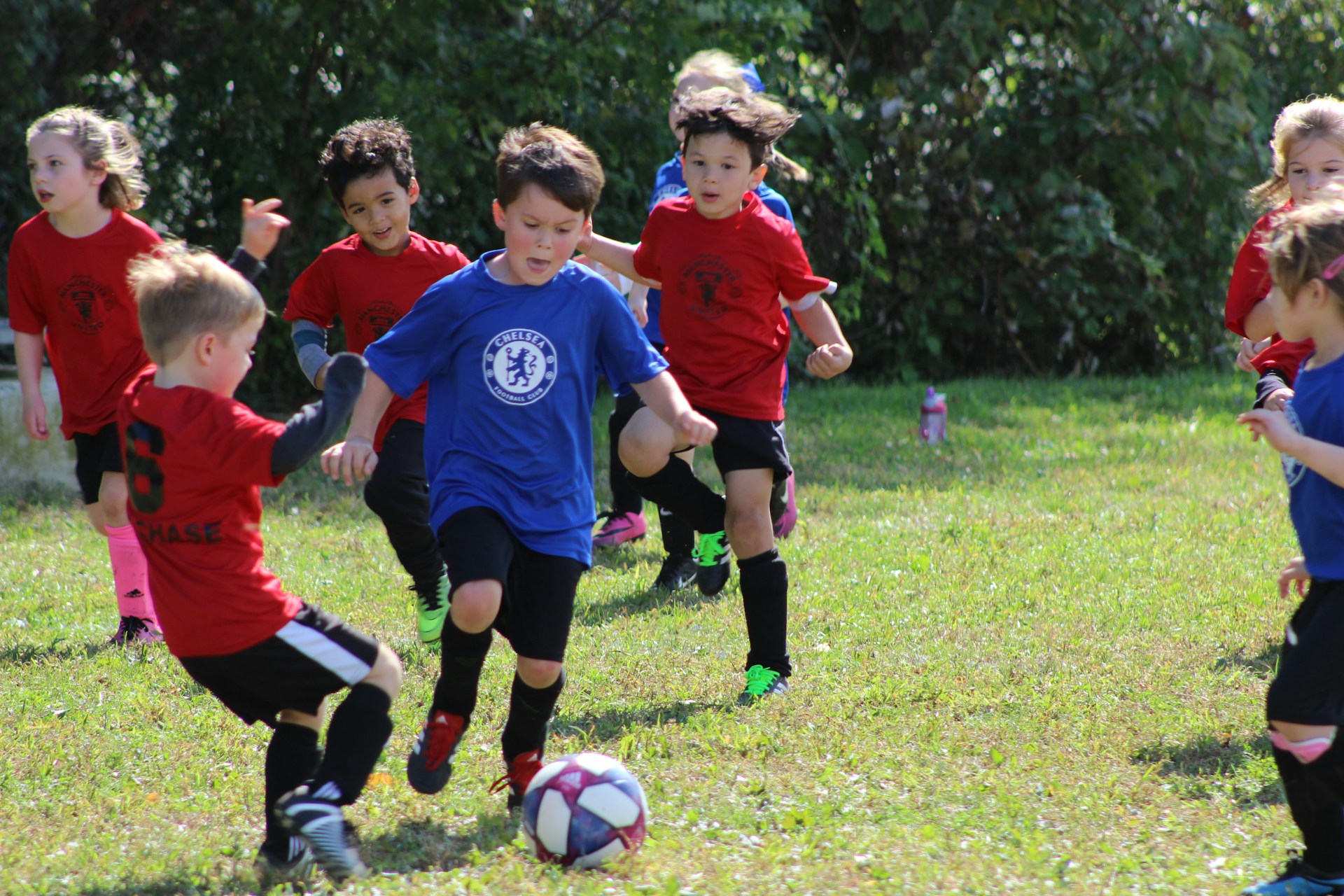
What group training does well is set up real situations. Drills mimic challenges on the pitch, and players make decisions in the moment. That kind of learning is harder to create in private sessions, no matter how skilled the coach is.
For example, in a group class players experience different styles, personalities, and competition. Being part of a team helps build resilience, encourages social skills, and provides natural motivation as players see others striving alongside them. There is also the added benefit of encouraging leadership and support between teammates, not just technical improvement.
What to Look for in a Coach if You Choose One-on-One
If your child is working with a private soccer instructor in Banksia, it’s important to look beyond the list of credentials. Technique matters, but so does how the coach connects. We believe a good coach creates an environment where players feel supported but still challenged.
- Look for someone who builds clear, calm sessions, not rushed or complicated drills.
- Strong communication is key. The coach should explain things based on the child’s level, not their own.
- Be wary of big promises. Growth happens slowly. A coach talking about fast transformations isn’t always thinking long term.
Progress should feel steady, not forced. After a session, kids should walk away enjoying the experience, not feeling like they failed to “deliver” based on an outside expectation.
A good one-on-one coach recognises the emotional ups and downs that come with learning something new. They adjust their approach if a child seems frustrated or distracted. Small corrections and praise, delivered at the right moment, help young players keep their spirits up and build real confidence over time.
Why Term-Based Group Training Often Supports Better Growth
Term programs provide more than just regular training. They create structure, habits, and a clear, consistent path for development. Over time, that’s what often shapes stronger players and more confident people.
- Regular group sessions help kids build game fitness while improving teamwork and decision-making.
- Skills like communication and reading the play come naturally in team settings.
- When players return week after week, they become part of a learning community. That connection makes all the difference.
We also see that group sessions bring moments of joy and shared success. Whether it’s a passing combination or a well-timed run, those little wins carry more weight when kids feel like they’re part of something.
Building friendships within a team can motivate a player to show up for training, even on days they might feel tired or unmotivated. The routine of attending group sessions can foster a sense of belonging and teach important life skills such as punctuality, reliability, and supporting others.
Term-based programs offer measurable goals and celebrate steps forward, not just the result. This structure allows for smooth progress tracking and gives young players a sense of pride in their own growth as part of the team.
When a Mix of Coaching Styles Might Help
Some players benefit from using both styles in the right way. A short stretch of private coaching can help sharpen skills or rebuild confidence, especially during school holidays or following an injury.
- Use private training to work on a clear goal, like striking technique or recovering from a setback.
- Keep it calm and short-term. Private sessions are just one tool, not a replacement for regular training.
- Stay connected to group work. That blend keeps confidence up while keeping kids engaged in a wider playing environment.
Kids might worry about catching up or feeling behind in team contexts, and private practice can support that. But long term, growth still leans on the shared moments and consistent progress that group settings encourage.
The combination of both private and group sessions should be balanced carefully. Occasional one-on-one training can address ongoing challenges or hesitations, but the long-term foundation comes from accountability and consistency within the group.
Building Skills and Confidence in the Right Environment
Where kids train matters, but how they feel while training matters more. A private soccer instructor in Banksia might give a confidence boost, but strong habits grow in the right environment. That’s where steady support and structure from group sessions often work better.
Carefully built training environments help young players feel more comfortable in what they’re doing. They’re more likely to take risks, ask questions, and explore their limits without fear. Whether they’re kicking alone or correcting their position during a passing drill, players need more than answers. They need to feel like what they’re doing matters.
There’s no single perfect path. Some players need a lift from a short stretch of private coaching. Others grow steadily inside group training blocks. The important thing is choosing the space, and the pace, that fits your child now. Growth follows when they’re steady, supported, and encouraged to keep turning up.
Pay attention to your child’s attitude after training. If they seem energised, chatty, and eager for the next session, that’s a great sign they’re in the right place. Regular group classes help reinforce positive habits and encourage responsibility towards teammates, while occasional private sessions give a targeted boost to specific skills.
Balancing individual attention with steady, group-based growth is key, and our structured training blocks offer players the chance to build long-term skills together through repetition and shared sessions that mimic real match play. A few sessions with a private soccer instructor in Banksia can sharpen specific abilities, but ongoing group training helps keep confidence high and motivation strong. At Focus Football Development, we’re here to help you find the right training rhythm for your child. Send us a message to book or ask about our term programs around Sydney.


No Comments
Sorry, the comment form is closed at this time.