

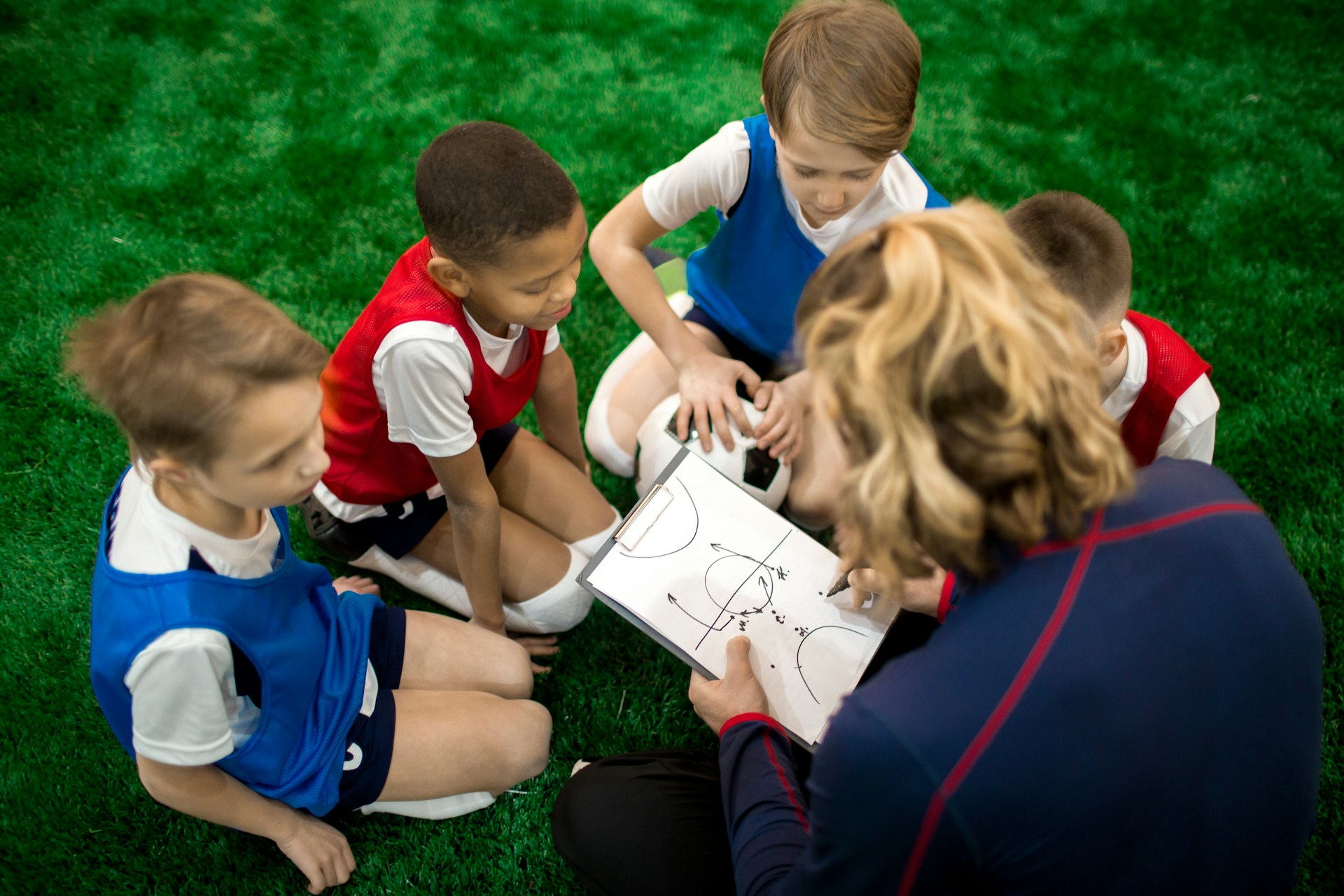
Why Coaching Football in Arncliffe Needs More Peer-Led Activities
Coaching football in Arncliffe works better when players learn with each other, not just from a coach. We’ve found that when young footballers get the chance to lead or give feedback during sessions, their learning deepens and becomes more personal. That’s why more group training programs are shifting to include player-led moments and cooperative drills. This is especially helpful in team environments where communication, timing, and trust carry more weight than isolated technique.
When kids step up to support their teammates or explain a drill to someone else, something clicks. Instead of repeating instructions, they start learning from how others see the game. These shared moments help build faster thinking, stronger player bonds, and a better feel for real match play.
Why Traditional Coaching Can Limit Player Growth
Plenty of coaching setups still rely on a top-down structure. The coach explains the drill, the players listen, and everyone sticks to the pattern. That can have its place, especially when teaching core skills, but if that’s the only method used, players often become passive. They wait for cues instead of reading the game and making quick choices on their own.
This structure can hold players back from speaking up or helping others. Games don’t unfold with one voice directing each movement. Matches ask for split-second decisions, support, and communication all from within the group. When every drill is directed and controlled, players struggle to build the same instincts they’ll need under pressure.
- Players may become reliant on instructions, not instinct
- Too much structure limits creativity and independence
- Group sessions lose interaction when players aren’t asked to lead or respond to each other
How Peer-Led Activities Build Confidence and Team Skills
When we start giving players a chance to coach parts of a warm-up, lead ball work, or offer feedback after short drills, their mindset shifts. They go from just following to taking part in the learning process. These touches of leadership build confidence. They start noticing more about how others move, when to speak up, and how to encourage rather than correct.
That confidence often spreads across the pitch. Instead of looking straight to the coach, players begin solving problems as a group. They talk more, adjust positions on their own, and support teammates without waiting for permission. These aren’t just useful habits, they’re what help teams stay connected in actual games.
- Players feel more confident when trusted with small leadership moments
- Peer communication on the field improves timing and spacing
- Shared learning builds a stronger sense of team identity
Sometimes, peer-led activities can reveal hidden talents among players. Someone who is usually quiet may take charge during a drill and surprise everyone, including themselves. Others may realise they enjoy encouraging teammates, which builds a more supportive team environment. These new roles and opportunities help players see their value in the group beyond just scoring or defending.
The Role of Group Term Programs in Encouraging Peer Dynamics
Group sessions over a clear term schedule give us time to build these dynamics properly. When kids train together across weeks, there’s space to introduce peer roles in the right order. Early sessions focus on comfort and flow. As that rhythm takes shape, we can ask players to demonstrate, lead stretches, or give feedback after small drills.
This makes training feel more like shared work rather than just following an agenda. Some players learn best by watching others and some by trying the same drill a few different ways. A balanced term structure gives space for both. Over time, players feel more at ease asking teammates a question or offering encouragement mid-game.
- Shared drills grow clearer through repetition and peer support
- Weekly routines give players time to find their space in the group
- Groups become stronger when players know each other’s habits and learning style
Regular term-based training gives a foundation for trust to grow within the group. We notice how with each new session, players tend to interact more comfortably. When they see familiar faces and recognise common group goals, hesitation tends to drop away. Routine builds positive expectations and encourages everyone to take healthy risks, like speaking up or trying a new skill in front of others.
What Peer Engagement Looks Like on the Pitch
There are everyday moments during training where peer leadership can show up without needing a big spotlight. We encourage older or more confident players to run part of the warm-up or help reset equipment between runs. During drills, we might ask two players to run a short demo for the group or pair up juniors with someone who’s already comfortable with a skill sequence.
Small-sided games are another natural place for this. When play stops, players can be asked to decide how they want to restart or correct a shape problem together. Coaches step back a little, allowing the group to talk through what went right or what felt off. That makes the talk feel more peer-driven, which often results in solutions that stick better.
- Older players lead simple tasks or help less experienced teammates
- Drills finish with player-to-player feedback or short discussions
- Encouragement during games comes from within the group, not just from a coach
Younger players often look up to those who show steady behaviour in these moments, picking up cues that stick with them beyond the session. Over time, this shifts the group culture. Instead of only responding to adults, kids become quicker to help a struggling teammate, repair a team shape, or agree on how to restart a practice game. It’s these habits that carry through matches, giving them the tools to solve problems and adapt as a team.
Creating Smarter, More Connected Players in Arncliffe
We’ve seen how helpful it can be to set up sessions that feel less like instructions and more like group learning. Coaching football in Arncliffe gets a lift when players are trusted to take small steps outside the usual role of “just a player.” It doesn’t need to be a full leadership task, just consistent chances to speak, guide, or encourage each other.
This approach sets teams up heading into the warmer months. Squads feel more balanced, not just in skill, but in how they relate and respond to one another. When a training session runs smooth because players adapt and support without being told to, you know you’ve got a group that understands more than just skills. You’ve got a team.
At Focus Football Development, we build our term programs around team rhythm, consistent feedback, and communication that strengthens through every session. Our group-based sessions create a setting where players come together to train, lead, and learn alongside peers. For those interested in coaching football in Arncliffe, this approach helps lay the groundwork for long-term development and lasting confidence. Get in touch with us to find out how to get started.


No Comments
Sorry, the comment form is closed at this time.