

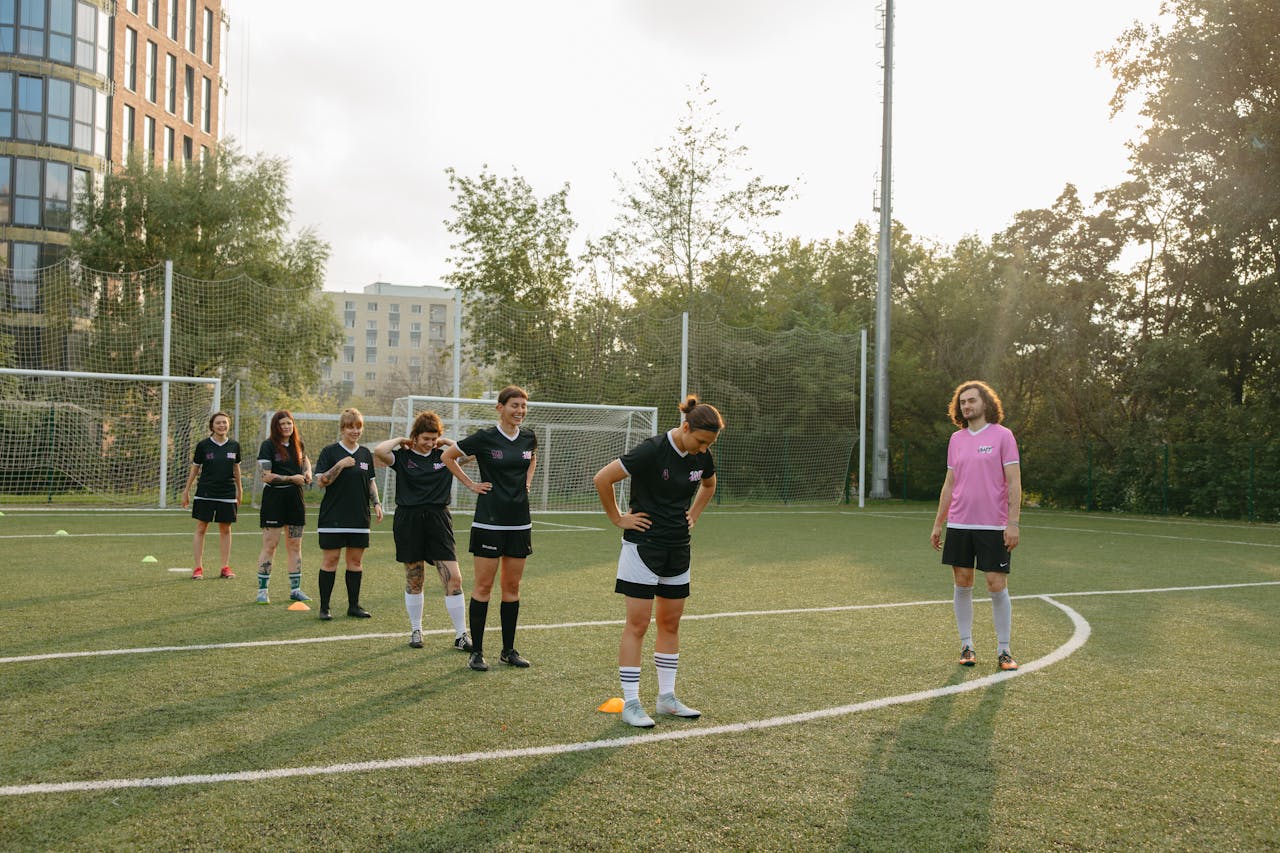
Encouraging Peer Feedback During Group Football Coaching in Sydney
Group football coaching in Sydney has changed a lot in recent years. More coaches are moving beyond basic drills and starting to look at how players learn from each other, not just from adults. One area that’s proving to be really helpful is peer feedback. When kids feel confident giving and receiving thoughts from teammates, they grow faster both on and off the pitch.
It’s not just about skills either. Players who are trusted to share what they see often become more focused, more honest, and more connected to the group’s progress. Term programs are especially good for this kind of growth. Over weeks of training together, small patterns build. Players start to take a bit more ownership of how the group trains. A good environment helps turn those chances into habits.
Building a Safe Space for Player Feedback
When we start our term programs during the cooler months, the first few sessions are all about helping players feel relaxed and supported. The football side matters, but so does comfort. If kids don’t feel safe or respected, there’s no point asking them to give each other advice.
That’s why we take time at the start to set clear expectations:
- Feedback should focus on effort and decisions, not personality or skill level
- We use calm tones, not shouting
- Everyone gets a chance to speak, but no one is forced to do so
We also model this ourselves. If we want players to offer useful suggestions, we have to lead with that same attitude in how we coach. Patience, clarity, and calm language set the tone for how players interact with each other. Over time, those habits stick.
Small Group Drills That Spark Peer Engagement
Not all drills invite feedback, but some are ideal for it. We lean into activities that naturally bring players together to think, talk, and move as a unit. Things like passing circuits, change-of-direction games, or problem-solving drills often lead to kids advising each other without even realising it.
We work in pairs or small pods like:
- Ball control races where partners count touches or track changes
- Short combination plays with roles that rotate across the drill
- Decision-based games where teams adapt between defence and attack
When the same drills pop up across a few sessions, players start remembering what worked and what didn’t. That reflection becomes part of the routine. Some will begin to take charge of resetting cones, checking shape, or helping a mate adjust their run. These aren’t big coaching moments, but they build trust.
When It Works Best: Timing Peer Feedback During Sessions
The best feedback usually comes in one of two spots: right after a repetition, or in a short pause once players are calm. We’ve learned not to cram in feedback while things are still moving. It muddles the rhythm. But if players pause for water or sit between games, that’s the window.
We sometimes set five-minute reflection blocks during longer sessions. Players gather in pairs or small groups and answer a few questions:
- What went well in that set?
- What’s one thing we’ll try changing in the next round?
- Did we listen to our mates while playing?
By doing this every week or so, feedback stops feeling like a task and starts to feel natural. It’s not forced. The group starts counting on each other, not just the coach, to help things improve.
Helping Quiet Players Join the Conversation
Not every kid speaks up. That’s fine. Still, we believe everyone can be part of the conversation, they just need the right shape for it.
Some helpful ways we ease shy players in:
- Pair them with a steady partner so they feel more at ease
- Let them take observation roles, like tracking passes or timing turns
- Keep group sizes small, no more than three or four players at a time when doing reflective tasks
We also remind players that great feedback doesn’t need to be loud. A nod, a short pointer, or a thumbs-up is still valuable. At the same time, we make sure those doing all the talking are also listening. Respect goes both ways.
Signs of Growth Across the Term
As we move from winter into early spring, we start spotting patterns that show real growth in peer interaction. It’s not about fancy passes or big plays. It’s the way the group moves and responds to each other without needing a lot of reminders.
Things we tend to notice:
- Players switching roles smoothly between drills
- Kids self-correcting positions instead of waiting to be told
- Teammates encouraging each other after a mistake or slow moment
Some of our favourite moments happen off-ball. A kid explaining where to stand in a game setup, or two players huddling before starting a possession drill. These aren’t just signs of leadership. They show that the group trusts each other. That kind of bond plays a big role in team growth.
The Team Benefits of Peer-Led Learning
By the end of a term block, especially one that ran well through the cooler months, there’s a noticeable lift in how the group acts together. They move with more purpose, solve problems with fewer pauses, and they rely less on adults to sort out every detail.
Structured football coaching in Sydney gives the framework for plenty of growth, but once players start giving each other solid feedback, the whole thing picks up pace. Training becomes sharper. Missteps are fixed faster. And most importantly, there’s more belief in the group.
When kids are comfortable learning from each other, the training doesn’t just build players. It builds future teammates and leaders. Feedback becomes a shared tool, not just something passed down from the top. That shift sets the tone for what comes next, whether it’s spring matches, new training goals, or just stronger friendships on and off the pitch.
At Focus Football Development, we help young players gain confidence, communication skills, and teamwork through structured winter term programs. Our group sessions offer real-time learning, encouraging feedback and steady improvement over the course of the term. With consistent training and a supportive environment, your child can build strong foundations and elevate their game. Discover how we nurture confident players through football coaching in Sydney and contact us today to secure your child’s place.


No Comments
Sorry, the comment form is closed at this time.