

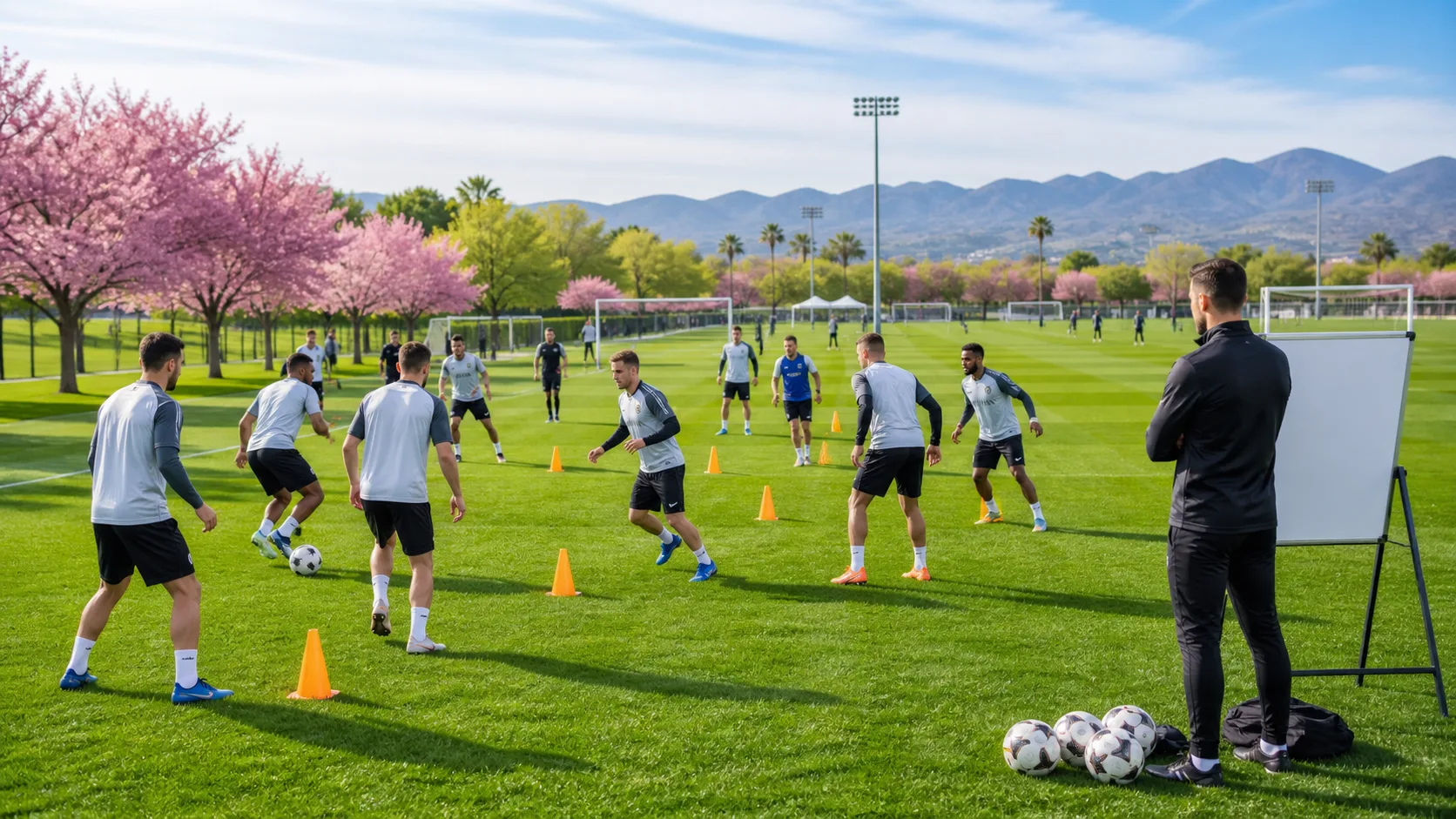
What Football Soccer Training Looks Like During Spring Tournaments
Spring means tournament season picks up again for football players across Sydney. With match days filling up weekends, the way we handle football soccer training through our term programs takes on a different shape. It’s not just about running drills. It’s about keeping players tuned in, energised, and ready to grow as a team across the whole term, not just match by match.
During spring, group sessions need to stay sharp but balanced. Some weeks come with heavy game loads, others leave space to focus more on training habits and learning new patterns of play. We use our term program as the steady rhythm through the ups and downs of tournament intensity. Here is how we adjust our group coaching to support player development when weekends start to fill with serious football again.
Training With the Tournament Calendar in Mind
Planning spring sessions takes more than just checking the weather. Once tournaments start crowding the calendar, group training needs to stay flexible.
- During weeks with matches, we scale back high-load drills and focus on sharpness. Short passing games, movement sessions, and finishing drills become the core. This helps players feel confident going into game day without leaving their legs drained in the days leading up to it.
- When there’s no game on the schedule, we build. Players work through more intense practices, longer small-sided games, fitness intervals, and tactical setups. These sessions give us the time to correct habits and help players find new gears.
- The term format keeps it consistent. Tournaments can spread teams out emotionally, wins can get to their heads, and loss can weigh them down. Solid weekly training keeps the group connected across all those different moods.
By aligning training intensity with the tournament calendar, we help players avoid burnout and hold onto good habits through the chaos of match-heavy months.
Skill Retention Under Match Pressure
Tournament football challenges players under pressure. That’s why we anchor each spring term session with small games and group drills that repeat the situations they’ll face on weekends.
- Core footwork patterns return week after week. Passing combinations, hold-up play, and wide transitions are drilled in tight spaces. This sets down muscle memory that holds up in fast-paced matches.
- We increase game-rep drills. Instead of isolated technique sessions, players work in game-style conditions with one-touch passes, player overloads, and quick-decision situations. Mistakes are part of learning, but the repetition helps them make quicker, better choices the next time.
- For younger players who may struggle with back-to-back weekends, we keep the focus on teamwork. They often get caught up in wins and losses. In training, we pull their attention back to group goals like pressing together or being vocal in transition.
Match pressure can undo a lot of good habits if training doesn’t reinforce the basics. Our spring term keeps the same language and structures across weeks, so what they learn doesn’t fall away under game stress.
Tactical Awareness and Small Adjustments
While younger age groups focus more on movement and teamwork, mid-level and older players benefit from learning how to look at the field with more depth. Spring is perfect for picking up these ideas.
- Players at this stage are ready for guided corrections during play. Our drills use player roles and positions to teach spacing, overlapping moves, and zonal awareness. These can be harder to pull off in pre-season when structure isn’t yet clear or in summer when numbers may drop.
- Spring games give us live lessons. On Monday or Tuesday, we can reference exact moments that happened on the weekend. “Remember that angle at kick-off?” or “Where was your second runner?” This helps players link situations from the game to new training habits they can apply the next time.
- Watching shape improve over a term chunk is one of the most rewarding parts of spring training. What might be messy in early October becomes more coordinated by the back half of term, especially when we teach it using steady match references.
We don’t try to teach full tactics all at once, but through small, repeated adjustments. Spring gives us the right pace to introduce these without overwhelming the group.
Keeping Group Energy Positive and Connected
With tournaments every other weekend, keeping the group steady is just as important as the drills. Energy can swing wildly based on results, so we turn to our term sessions to keep the emotional rhythm level.
- Nerves and fatigue are real, and players don’t always speak up about them. We build warm-up routines and wind-down check-ins that let us see who’s flat, who’s sharp, and who just needs encouragement.
- Group structures help players rely on familiar rhythms. When warm-up patterns, partner passes, and session goals look familiar, they can settle in faster each week, no matter what happened the weekend before.
- Social connection carries players through the uneven parts of spring. Whether they’ve won, drawn, or lost in their weekend tournament, showing up to train as a team keeps their focus on growth, not pressure. They remember they’re part of something bigger than just the scoreboard.
Spring invites competition, but it’s easy to lose joy and connection when the focus is all on results. Our job is to protect that balance using stable training rhythms and positive group habits.
When Training Supports Tournament Growth
By the time October hits in Sydney, spring tournaments are in full swing. But the biggest wins aren’t just seen on match day. They’re happening every week in training.
- Group training gives players the chance to reflect, learn, and grow together. Even when weekends bring highs and lows, showing up to practice keeps momentum moving forward. They learn how to lose well, how to lead, and how to handle pressure as part of a group.
- Across the term, energy builds. We notice better communication, players adjusting each other’s positions, and stronger team shape even in younger groups. Not because they were pushed harder, but because they kept showing up regularly with purpose.
- A consistent spring term sets up better habits heading into summer. Technique stays cleaner. Focus stays sharper. And players avoid the stretch of having to relearn everything in the new year.
Spring isn’t just busy, it’s important for growth. When group training is steady and well-timed, it becomes the layer that brings all that tournament energy together into real, lasting development.
At Focus Football Development, we know the right balance between matches is important for young players preparing for a busy spring of weekend tournaments. Our term-based sessions help kids stay engaged, build confidence, and enjoy group momentum throughout the season. With consistent routines and a supportive environment, your child can enjoy steady progress that isn’t tied only to game results. Count on our team for well-timed football soccer training in Sydney this term, reach out to book your child’s place today.


No Comments
Sorry, the comment form is closed at this time.