

Benefits of One on One Feedback in Group Soccer Training Sessions
As winter winds down in Sydney, the cooler afternoons are perfect for focused soccer sessions. The bite in the air keeps players alert and eager to move, making this late-season stretch a great time to sharpen team habits. Group soccer training does much of the heavy lifting. It builds connection, tempo, and decision-making under pressure. But sometimes, progress hinges on a small moment of personal feedback.
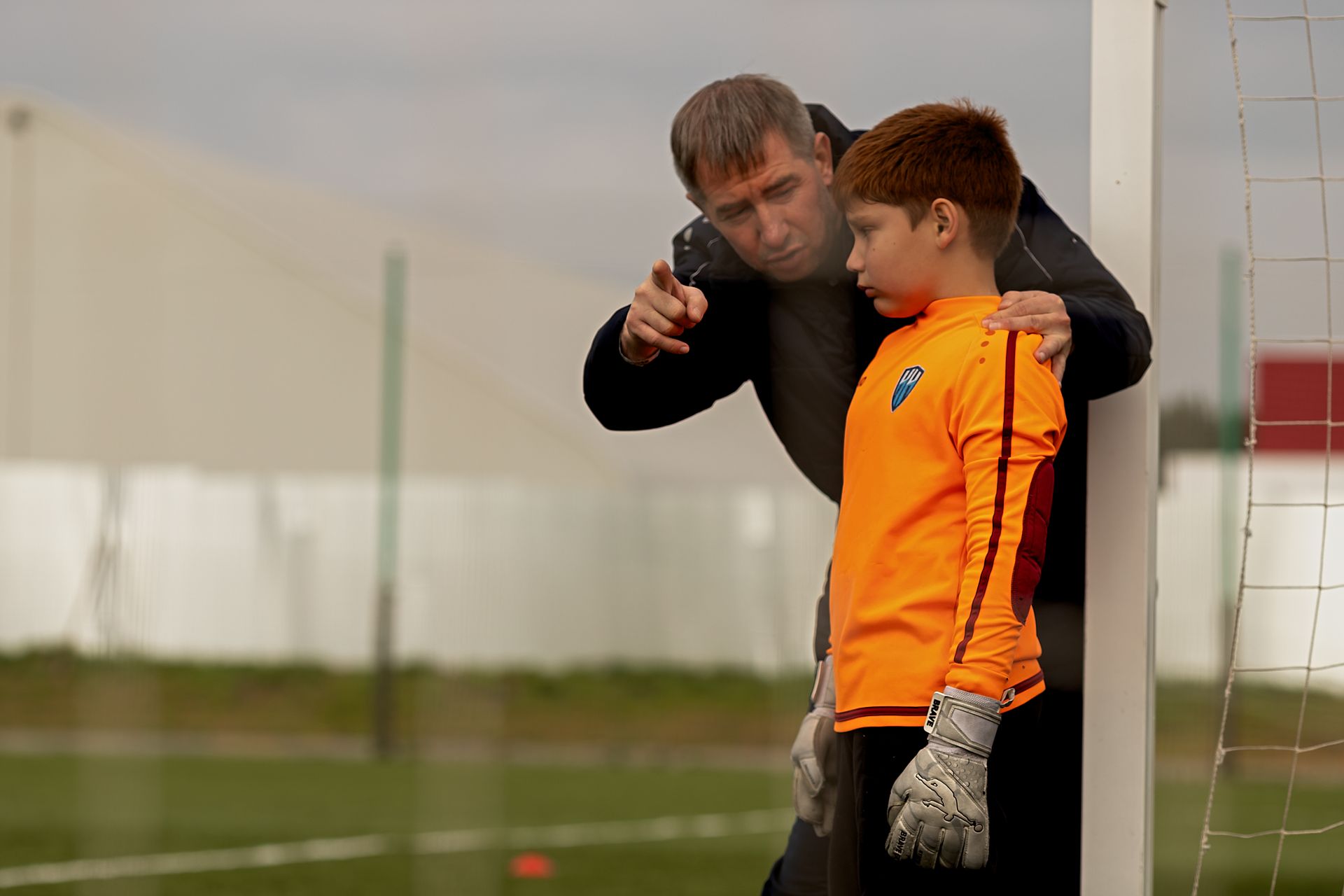
That’s where one on one football coaching layered into a group session makes a difference. When we offer a quick word, a hand on a shoulder, or a quick adjustment during a game-based drill, players start to feel noticed. Even one line of feedback, delivered when it counts, can shift how a player sees the pitch or trusts their next move. It’s a good way to honour the structure of the group while still respecting each player’s path forward.
Creating Space for Personal Correction Within the Group
Group sessions move at pace. Players are rotating, reacting, solving problems in real time. But within that flow, it’s easy for individual habits to blend in. A player might be misjudging their first touch slightly or turning inwards when an open pass is on. Without personal correction, those small habits keep sliding along.
We look for those moments. Sometimes, it’s mid-drill, a quick pause to adjust footwork or remind a player of spacing. Other times, it’s a side comment during a drink break, giving a tip about decision-making under pressure. These interactions:
- Keep feedback short so the session doesn’t lose its rhythm
- Focus on one idea so the player can apply it quickly
- Let the rest of the group stay in motion without disruption
This approach allows coaches to give meaningful feedback while still valuing group progress. As these moments are woven into the training, players begin to anticipate and welcome advice, seeing it as an important part of each session.
It’s all part of helping a player sharpen their decisions without pulling the whole group out of sync. Over time, these gentle reminders and corrections support players in recognising patterns and making positive changes without stress.
The Confidence Boost of Being Seen
Kids open up when they feel seen. That part doesn’t change with age. In group training, players sometimes feel tucked into the pack, especially if they’re shy or still learning to hold space on the pitch. One on one football coaching during group drills gives them just enough connection to feel recognised.
Direct feedback doesn’t have to be loud or detailed. For many quiet learners, it’s the tone that matters. A reminder given softly while others play on is often more powerful than a speech in front of the group.
These moments can:
- Help shy players stop second-guessing themselves
- Give new learners courage to speak or ask follow-up questions
- Offer assurance to kids who may feel unsure, especially after a missed touch or poor decision
By building gentle feedback into the session, we let confidence grow in its own time. This also fosters a sense of trust between coach and player, making it easier for kids to try new things and bounce back from mistakes. As their belief in their abilities grows, kids are more eager to take on fresh challenges, creating a positive cycle of growth.
Keeping Everyone Moving While Supporting Individual Growth
The key to offering one on one connections in a group structure is keeping things flowing. Nobody wants drills that stall or games that restart over one player’s habits. So we plan rotations that give space for short coaching moments.
It might look like this:
- A coach steps into a rotation spot so a player can get direct feedback on the side
- One player sits out for a round of reps, listening while others continue moving
- Match-style games pause between rounds for a quick reset tip
What this approach does is let us coach adjustments in motion. Instead of breaking down every moment after the fact, we guide players toward better decisions on the fly. This style keeps training real. Game sense builds best when pressure, space, and timing are live, not paused or explained hours later.
Often, these small breaks for quick feedback provide a chance for the player to absorb what’s happening without taking the energy out of the session. The rest of the group can keep working at their pace while the coach gives a bit of focused attention to those who need a nudge in the right direction. This way, everyone benefits and nobody feels like they’re holding up the team.
The design of these sessions is about giving every player many chances to engage and improve. Short, sharp adjustments mean more learning opportunities in every session and keep players motivated to work through challenges as a group.
Letting Kids Take Ownership of Their Progress
When feedback is worked into the rhythm of group training, kids start picking it up more naturally. They begin to connect instruction to action. A player who heard a tip about timing a run might adjust their position next time, even before the coach says something.
We’ve seen players:
- Repeat coaching cues out loud as they prepare for another rep
- Ask for quick clarification during a drink break, sparked by earlier feedback
- Adjust their body shape or call out to a teammate, remembering something personal from the session before
It’s a kind of learning that sticks. Quiet corrections, shared across sessions, shift into long-term habits. Kids don’t just wait for answers or echo back rules. They start figuring things out for themselves.
Over several weeks, kids who once hung back are suddenly directing teammates on the pitch or trying a new skill they used to avoid. The feedback they’ve received steadily over the term gently builds their confidence, turning short-term lessons into lasting improvements. Ownership of their development helps them become not just stronger players but better teammates.
Peer encouragement grows as well. When one player responds to feedback, others often take notice and try to apply similar ideas. The group setting encourages everyone to keep striving for small wins, which slowly add up to bigger breakthroughs.
When Small Moments Make Big Difference
Group soccer training has rhythm, energy, and camaraderie. It gives players the chance to bond, react, and learn with others. But built into that rhythm are small spaces, brief chances to offer one on one touches that stick.
Every kid processes direction differently. One might make a shift from a single three-word cue. Another may need the same reminder three sessions in a row. That’s okay. What matters is creating space for that feedback as part of the session, not outside it.
Blending group structure with individual awareness lets us watch players grow without forcing them into separate formats. The training stays real, the pace stays high, and players start thinking smarter just by doing, together.
The success of any group training program rests not only on structure and games, but on the way each young player feels seen and supported. Small coaching moments, when delivered at the right time, give children the belief they can improve. Through steady encouragement and active group play, every player finds something to celebrate.
The journey isn’t just about keeping score or polishing technique, but about building confidence session by session. Over time, these combined approaches shape not just skilful players, but confident, resilient kids who take pride in their improvement.
At Focus Football Development, we blend motivating team sessions with meaningful moments of one on one football coaching, so every player enjoys individual growth while staying energised within a group. Our approach keeps training dynamic and purposeful, supporting your child’s skills without slowing the momentum. Contact us to discover how our training style can help your player thrive.


No Comments
Sorry, the comment form is closed at this time.