

How Soccer Training in Kogarah Reinforces Match Day Confidence
As late winter settles in across Sydney, you can feel the energy shift on the training pitch. Days stay cold, but the light starts to linger, and with that comes a quiet push from players preparing for the stretch toward match season. This is the time where soccer training in Kogarah starts locking in the little things.
Players don’t just need sharper passes or cleaner runs. They need confidence. They need to trust what they’ve practised will hold in pressure moments. When group sessions focus on structure, rhythm, and active support, players step into game day with more calm and more readiness.
Preparing the Mindset for Game Day
Confidence on match day often has little to do with skill alone. It starts in the mind well before the whistle blows. We build this mindset in group sessions by keeping rhythms steady and predictable. Consistent drills form habits, which shape the way players hold themselves when pressure rises.
Group training gives players:
- A regular schedule they can count on, which brings calm and routine
- Repeated scenarios that feel like match play, so pressure feels less new
- Mental rehearsals through movement, which help replace overthinking with instinct
Training this way, young athletes can start to see progress beyond just their technical skills. They begin to develop stronger self-talk, recognising when nerves creep in and knowing how to reset before they build. Over time, even the quiet players become more vocal, supporting each other through moments of tension.
The more students see the same patterns in training, the more confident they become in solving them on the field. This repeated exposure to similar scenarios makes the unpredictability of real matches less daunting.
Turning Practice into Match Play Familiarity
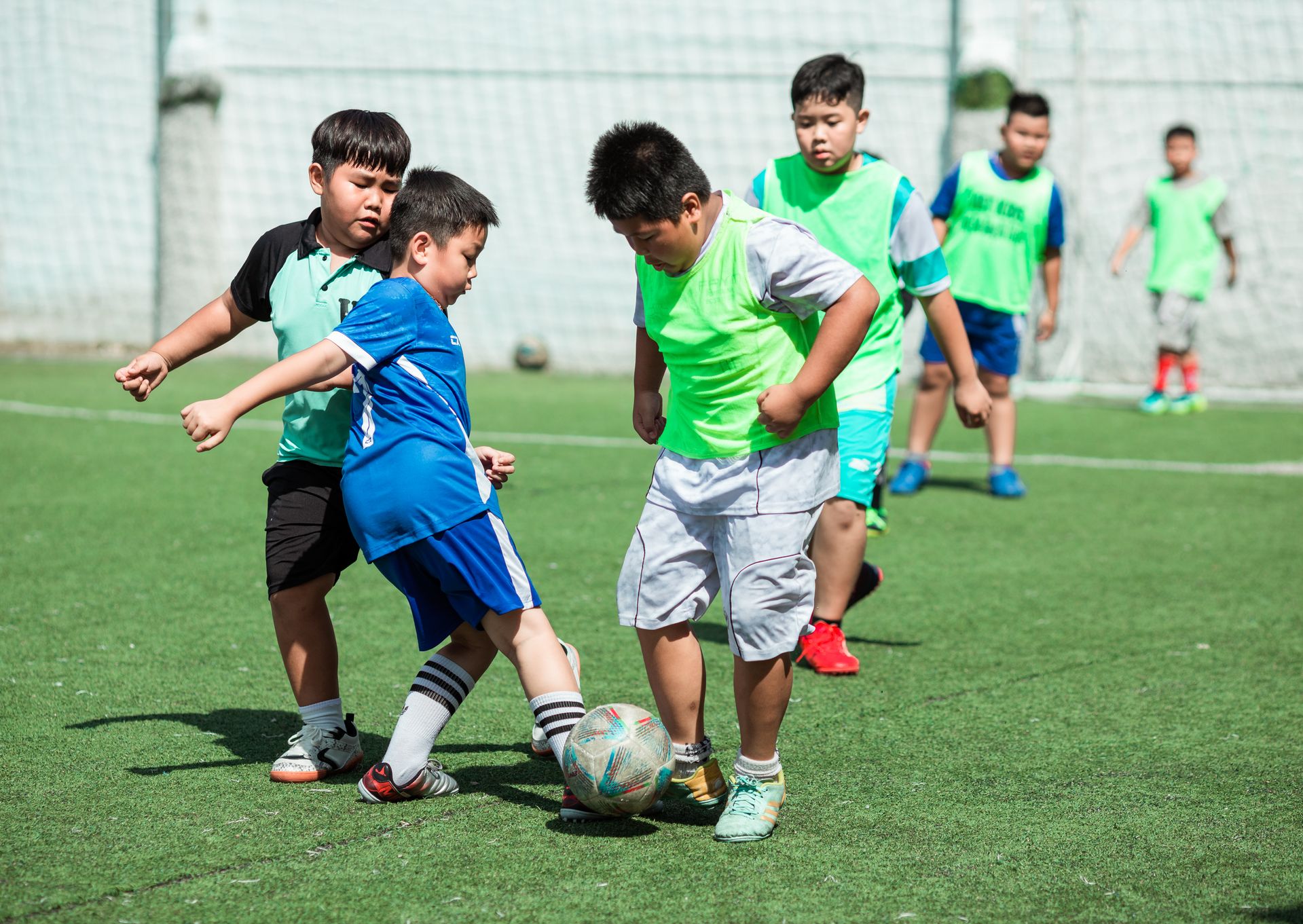
When training mirrors real match moments, the transfer from practice to the pitch feels natural. That’s where group drills that include decision-making, timing, and live reactions come in. Whether we’re working on small-sided games or pressing patterns, the setting matters.
We focus on game-style drills where players get chances to:
- Make unscripted decisions under light pressure
- Read space and movement in real time
- Reflect quickly afterward to talk through what worked or what missed
Adding these game-like elements to training also teaches players how to anticipate what teammates or opponents might do. By working through many situations together, players rise to each new challenge as a unit, listening and adapting on the go. Coaches can pause briefly after plays to let the group talk out choices, helping cement learning.
After each session, short chats around choices made during drills help players think more, not less. They notice patterns: which situations brought them confidence, which needed more work. And when that reflection becomes habit, it shows in better reactions on the day it counts.
By engaging in these discussions, players learn to adjust their thinking. They start talking in small groups about how to react when the game does not go as planned, and working together means mistakes get turned into learning moments faster.
Group Influence on Confidence and Character
Team training is more than just shared sessions. It’s shared energy. Players start to take bolder steps when they feel supported by peers, not just coaches. Quiet encouragement during a group activity can sometimes do more than a full debrief.
In sessions, we see:
- Kids building trust through repetition with the same training partners
- Friendly competition that encourages risk without shame
- Laughter, high-fives, or claps that remind them they’re part of something
The group setting fosters a space where players can push through mistakes. Being surrounded by peers who have been through the same drills and celebrated similar wins, players become more comfortable taking small risks. This can mean attempting a new move, volunteering to lead a drill, or speaking up during reflection moments.
These moments help turn match nerves into excitement. When the training environment feels safe and steady, players are more likely to take a chance, hold their position with confidence, or direct play without needing reassurance.
The encouragement shared within the group becomes ingrained in day-to-day routines and grows into long-term confidence. It’s not just about social comfort; it’s about knowing you’re not alone on the pitch, which makes handling pressure much easier.
When Coaches Step In Just Enough
There’s a balance between coaching and letting players find their feet. We stay close, not overbearing. That means stepping in with a short reminder, not a full pause, or a quiet tip on positioning, then letting play roll on.
This method keeps the structure moving and allows players to:
- Learn and correct while staying active in drills
- Absorb feedback without losing flow or rhythm
- Notice subtle points, like timing or spacing, through quick coach cues
Learning in the moment helps players hold onto lessons. When feedback is woven into the drill, kids stay mentally engaged. They listen, adapt, and keep moving, building a habit of problem-solving in real time.
These small inputs add up. The more frequently we can offer help in the moment, the less players rely on broad instructions and the more they understand the game themselves.
Coaches in group sessions can also spot where quick encouragement is needed, perhaps a nod to a hesitant player or a brief correction that sparks improvement on the next rep. Over weeks, this lighter touch fosters players who learn to coach themselves and each other.
Helping Players Apply and Adapt in Real Time
Real growth shows when a player fixes something mid-drill without being told. When kids start adjusting based on older feedback, that’s where it clicks. Group training opens the door to this kind of self-awareness because patterns show up again and again.
As sessions progress, we watch players:
- Shift their foot shape or spacing between reps from memory
- Ask sharper questions tied to something they felt rather than something they missed
- Help others by repeating the cues they’ve internalised
This collective learning environment means feedback doesn’t just flow one way. The players themselves become resources for each other, swapping tips and encouragement as they train. Younger or less experienced kids observe the habits of those who have trained longer, learning almost by osmosis.
All of this becomes part of a larger mindset shift that doesn’t just happen on match day. It builds across weeks of repetition, where the environment invites attention and response naturally.
Players begin to see growth not as isolated moments, but as a steady curve. When the group notices these changes and acknowledges them, improvements feel more meaningful.
Built for the Game, Not Just the Drill
The goal of training isn’t to run perfect drills. It’s to prepare players for unpredictable matches. That’s why group soccer training in Kogarah focuses on real movements, smart guidance, and a tempo close to match day. It gives players a chance to move from reactive to proactive without pressure to be flawless.
The structure of these sessions encourages players to experiment safely, finding what works best for them. They see how repeated practice leads to instincts they can trust and how progress comes in the form of subtle improvements, quicker decisions, better communication, or a stronger first touch.
When match day arrives, it’s not about remembering a rule or repeating a drill. It’s about trusting instincts that have been shaped over time. Confidence doesn’t show up out of nowhere. It grows in short reminders, familiar formats, and just enough space to try, fail, and try again. That’s where change begins. And it’s why group settings, done right, carry through to the final whistle.
Our term-based training program is built to help your child boost their skills, confidence, and decision-making through steady group sessions that mimic match-style conditions. We make sure players have the time and support they need to develop stronger habits and transition smoothly when it’s time to perform. For details about how we structure soccer training in Kogarah that delivers real match day results, contact Focus Football Development today.


No Comments
Sorry, the comment form is closed at this time.